

Think about this situation: you travel somewhere. You meet a person there.You talk about the people. You try the food. You hear the language. English uses different words for each situation. Let’s explore how it works.
The country (the place)
This word tells us where something is. Revise countries you studied in form 6: Countries I, Countries II
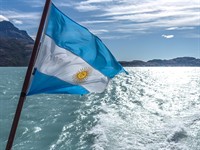
Argentina — [ˌɑːdʒənˈtiːnə] — a large country in South America known for its football culture, tango music, and wide natural landscapes; Argentīna
Argentina is famous for passionate football fans who celebrate victories in the streets of Buenos Aires.
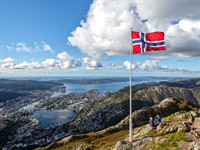
Norway — [ˈnɔːweɪ] — a country in Northern Europe known for its fjords, mountains, and spectacular northern lights; Norvēģija
In winter, travellers visit Norway to see the magical northern lights dancing across the dark Arctic sky.
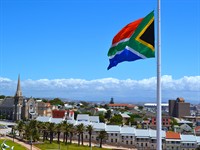
South Africa — [ˌsaʊθ ˈæfrɪkə] — a country at the southern tip of Africa known for its diverse cultures, wildlife, and national parks; Dienvidāfrika
On safari in South Africa, travellers may see elephants, lions, and giraffes walking freely across the vast savannah.
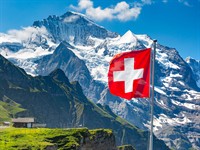
Switzerland — [ˈswɪtsələnd] — a mountainous country in central Europe famous for the Alps, chocolate, and precision watches; Šveice
In Switzerland, visitors can travel through snowy mountains on scenic trains that cross breathtaking Alpine valleys.
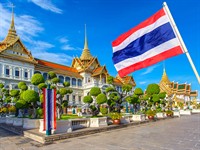
Thailand — [ˈtaɪlænd] — a country in Southeast Asia known for tropical beaches, temples, and delicious street food; Taizeme
Tourists love exploring colourful markets in Thailand while tasting spicy local dishes.
When we talk about countries, we often use nationality words. A nationality word can work in two ways:
- as an adjective (to describe things);
- as a noun (to talk about people).
Adjective (describing something): Moroccan food is very popular.
Singular noun (one person): She is a Moroccan.
Plural noun (people): The Moroccans are famous for their traditional markets.
Singular noun (one person): She is a Moroccan.
Plural noun (people): The Moroccans are famous for their traditional markets.
Let's brake it down!
1. One person from that country
When we talk about one person, we use a noun.
Examples:
When we talk about one person, we use a noun.
Examples:
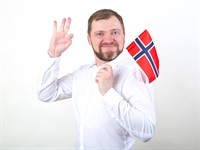
a Norwegian — [nɔːˈwiː.dʒən] — a person from Norway; norvēģis, norvēģiete
My teacher is a Norwegian.

an Argentine (also: an Argentinian) — [ˈɑː.dʒən.taɪn] — a person from Argentina; argentīnietis, argentīniete
An Argentine sitting next to me on the plane told fascinating stories about travelling across Patagonia.

a Thai — [taɪ] — a person from Thailand; taizemietis, taizemiete, Taizemes iedzīvotājs(a)
A Thai showed us how to prepare traditional green curry during the cooking class.

a Swiss — [swɪs] — a person from Switzerland; šveicietis; šveiciete
You can only buy a chalet here if you are a Swiss.

a South African — [ˌsaʊθ ˈæf.rɪ.kən] — a person from South Africa; dienvidafrikānis; dienvidafrikāniete
A South African sitting next to me on the train recommended visiting Cape Town.
Svarīgi!
Remember: we use the indefinite articles "a" / "an" because we mean one person. Revise the usage of indefinite article you studied in form 3: The indefinite article A and AN
Svarīgi!
Remember: in English, the names of countries, regions, nationalities and languages are proper nouns, so they always begin with a capital letter. This rule also applies to nationality adjectives.
They enjoy Thai food.
He is learning Spanish.
He is learning Spanish.
3. All people from that country
When we talk about the whole population, we often use: the + nationality
Examples:
The Norwegians love outdoor activities. / Norvēģiem ļoti patīk āra aktivitātes.
The Swiss are known for watches and chocolate. / Šveicieši ir pazīstami ar pulksteņiem un šokolādi.
When we talk about the whole population, we often use: the + nationality
Examples:
The Norwegians love outdoor activities. / Norvēģiem ļoti patīk āra aktivitātes.
The Swiss are known for watches and chocolate. / Šveicieši ir pazīstami ar pulksteņiem un šokolādi.
Revise the usage of definite article you studied in form 5: The Usage of the Definite Article "THE"
4. Things connected to a country
When we describe food, culture, music or traditions, we use an adjective.
Examples:
When we describe food, culture, music or traditions, we use an adjective.
Examples:
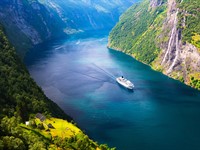
Many photographers travel to Norway to capture the beauty of Norwegian mountains and fjords. / Daudzi fotogrāfi dodas uz Norvēģiju, lai iemūžinātu norvēģu kalnu un fjordu skaistumu.

Argentine football clubs have some of the most passionate supporters in the world. / Argentīnas futbola klubiem ir vieni no kaislīgākajiem līdzjutējiem pasaulē.

Visitors in Thailand enjoy trying spicy Thai dishes at local night markets. / Taizemes apmeklētāji vietējos nakts tirgos labprāt nogaršo pikantos taizemiešu ēdienus.

Many travellers bring home Swiss chocolate after visiting the Alps. / Daudzi ceļotāji pēc Alpu apmeklējuma mājās pārved šveiciešu šokolādi.

Tourists visit national parks to observe South African animals in their natural environment. / Tūristi apmeklē nacionālos parkus, lai vērotu Dienvidāfrikas dzīvniekus to dabiskajā vidē.
5.Languages
Often the language name is the same word as the nationality adjective.
Do you speak Spanish?
She speaks fluent French.
Korean is becoming popular to learn.
Svarīgi!
Important! We do not say: Do you speak the Spanish? Do you speak Spanish language? Revise languages you studied in form 4: Languages
Three Neighbours on the Baltic Sea. Countries, people and languages of Estonia, Latvia and Lithuania
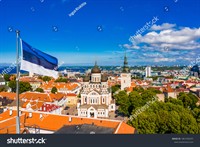
Country — Estonia
Person — an Estonian
People — the Estonians
Adjective — Estonian culture
Language — Estonian
Person — an Estonian
People — the Estonians
Adjective — Estonian culture
Language — Estonian
Listen and read in context!
Estonia is a beautiful Baltic country. An Estonian might speak several languages. The Estonians are proud of their traditions and music. Visitors often enjoy Estonian culture, especially festivals and folk songs. Many people in the country speak Estonian, which is the official language.
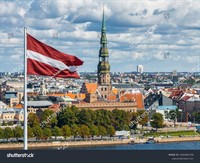
Country — Latvia
Person — a Latvian
People — the Latvians
Adjective — Latvian traditions
Language — Latvian
Listen and read in context!
Latvia is a country in Northern Europe. A Latvian may grow up learning traditional songs and dances. The Latvians are proud of their history and nature. Visitors often enjoy Latvian traditions, especially the midsummer celebrations. People in the country speak Latvian, the official language.
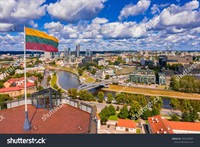
Country — Lithuania
Person — a Lithuanian
People — the Lithuanians
Adjective — Lithuanian history
Language — Lithuanian
Listen and read in context!
Lithuania is the southernmost Baltic country. A Lithuanian may speak several languages. The Lithuanians are proud of their culture and traditions. Many visitors are interested in Lithuanian history, especially the old cities and castles. People in the country speak Lithuanian, one of the oldest languages in Europe.
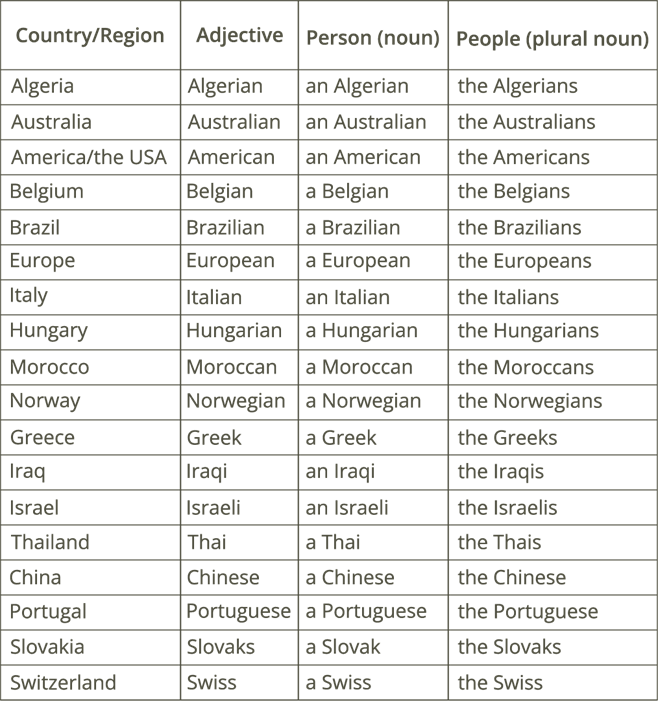
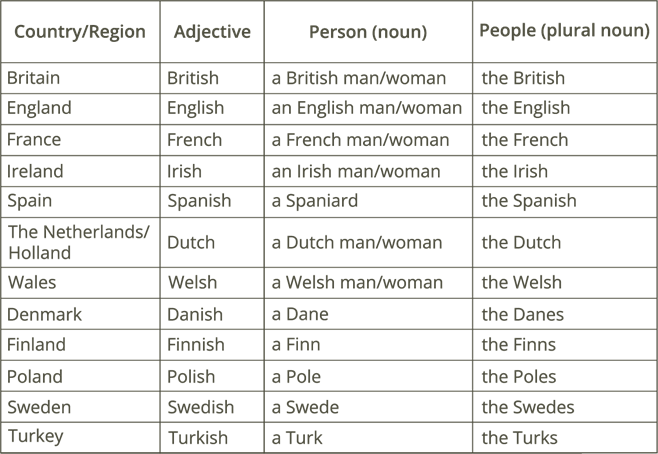
Study some more nouns and adjectives:
Atsauce:
Picture "Save One Go Market in Bangkok": CatwalkPhotos / Shutterstock.com
Picture "KaDeWe Department Store": DinkeyDoodle / Shutterstock.com