

Think and learn: why do some places have deserts while others are covered with forests? Why do powerful monsoons bring months of rain to Asia, while heatwaves dry out rivers in other parts of the world? In this unit, you will explore the fascinating world of climate — the patterns that shape our planet’s weather, influence ecosystems, and affect the lives of people everywhere.
1. Basic Climate Words
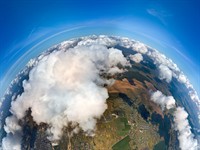
atmosphere — [ˈætməsfɪə] — the layer of gases surrounding the Earth; atmosfēra
The Earth’s atmosphere protects living organisms by blocking harmful radiation from the Sun.
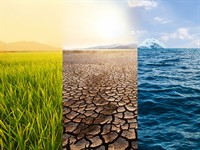
climate — [ˈklaɪmət] — the typical weather conditions in a place over a long period of time; klimats
Iceland’s climate may be cold and windy, but its dramatic glaciers and steaming hot springs attract adventurous travellers from all over the world.
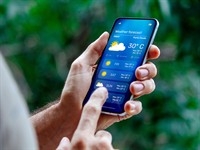
forecast — [ˈfɔːkɑːst] — a prediction about future weather conditions based on scientific data; laika prognoze
The weather forecast warned of a powerful storm, but surfers rushed to the coast, excited about the enormous waves that were about to arrive.
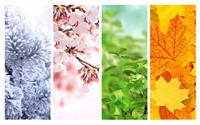
season — [ˈsiːzən] — one of the four periods of the year (spring, summer, autumn, winter), each with its own typical weather. Also the period of the year when something that happens every year happens; gadalaiks, sezona
During the rainy season, the tropical climate brings heavy storms that turn small rivers into powerful streams overnight.
2. Types of Climate
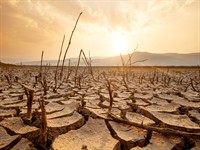
dry climate — [draɪ] — a climate with very little rainfall during the year; sauss klimats
Plants in a dry climate often have thick leaves or deep roots to survive long periods without rain.
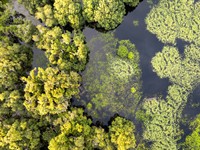
humid climate — [hjuːmɪd] — a climate with a high level of moisture in the air and frequent rain; mitrs klimats
In a humid climate, the air can feel heavy and sticky, especially during hot summer days.
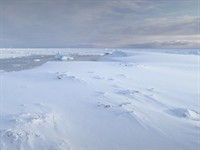
polar climate — [ˈpəʊlə] — an extremely cold climate found near the North and South Poles with long winters and very little vegetation; polārais klimats
In a polar climate, the ground is often covered with ice and snow for most of the year.
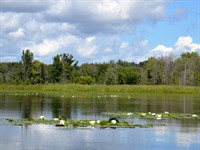
temperate climate — [ˈtemprət] — a climate that is neither extremely hot nor extremely cold, with moderate temperatures; mērens klimats
A temperate climate makes many regions ideal for farming because temperatures stay fairly comfortable throughout the year.
3.Long-term climate patterns
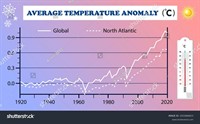
average temperature — [ˈævərɪdʒ ˈtemprətʃə] — the typical temperature of a place calculated over a long period of time; vidējā temperatūra
The island’s average temperature stays around 26°C all year, which is why travellers enjoy swimming there even in winter.
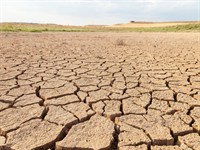
dry season — [draɪ ˈsiːzən] — the period of the year when there is very little or no rain; sausuma sezona
During the dry season, the African savannah becomes dusty and animals gather around the few remaining waterholes.
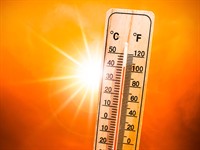
heatwave — [ˈhiːtweɪv] — a long period of extremely hot weather; karstuma vilnis
During the heatwave, the city streets were almost empty as people searched for shade and cold water.
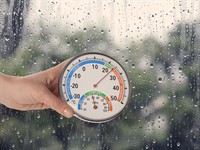
humidity — [hjuːˈmɪdəti] — the amount of water vapour in the air; mitrums, valgums
The humidity in the tropical forest was so high that cameras fogged up and explorers quickly became covered in sweat.
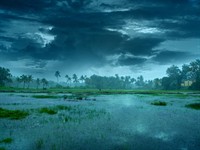
monsoon — [mɒnˈsuːn] — a seasonal wind that brings very heavy rain to some regions, especially in South and Southeast Asia; musons, lietus periods
When the monsoon started, the quiet village roads suddenly turned into rushing streams of muddy water.
4.Climate change
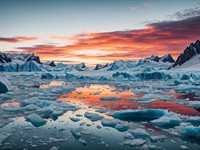
climate change — [ˈklaɪmət tʃeɪndʒ] — long-term changes in the Earth’s temperatures and weather patterns, often caused by human activities such as burning fossil fuels; klimata pārmaiņas
Climate change is causing stronger storms and longer droughts in many parts of the world.
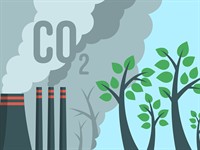
greenhouse gases — [ˈɡriːnhaʊs ˈɡæsɪz] — gases in the atmosphere that trap heat and warm the Earth; siltumnīcefekta gāzes
Carbon dioxide and methane are greenhouse gases that contribute to global warming.
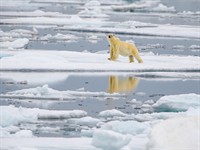
ice melting — [aɪs ˈmeltɪŋ] — the process in which ice changes into water because temperatures are increasing; ledus kušana
Ice melting in the Arctic is threatening the natural habitat of polar bears.
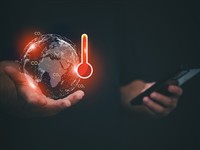
temperature rise — [ˈtemprətʃə raɪz] — a gradual increase in an average temperature in the atmosphere or oceans; gaisa temperatūras paaugstināšanās
The temperature rise causes heatwaves in many countries.
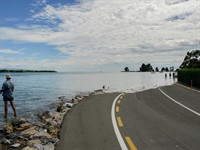
sea level rise — [siː ˈlevəl raɪz] — the increase in the average level of the world’s oceans caused mainly by melting ice and warmer water; jūras līmeņa celšanās
The sea level rise is already flooding some small islands during high tides.
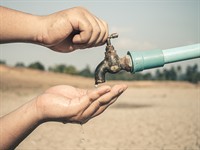
water shortage — [ˈwɔːtə ˈʃɔːtɪdʒ] — a situation when there is not enough water for people’s needs; ūdens trūkums
Because of the long drought, the region is experiencing a serious water shortage.
...