

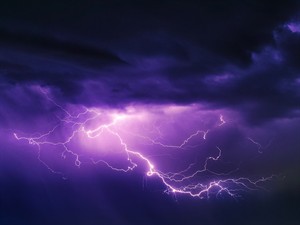
Think: Imagine standing on a quiet beach when the sea suddenly begins to move away from the shore. Moments later, a giant wave races toward the land. Or picture a peaceful mountain valley where, after hours of heavy rain, rocks and mud suddenly rush down the slope. These dramatic events are called natural disasters, and they are often connected to powerful weather conditions and changing climate patterns.
Revise: before exploring these events, take a moment to revisit the weather and temperature vocabulary you have already learned in form 6: Temperature, Weather
1. Weather Conditions

drizzle — [ˈdrɪzl] — very light rain with very small drops; līņāt, smidzināt, smalks lietus
A light drizzle began to fall as hikers slowly walked through the quiet forest.
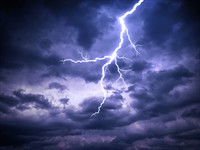
lightning — [ˈlaɪtnɪŋ] — a bright flash of electricity in the sky during a storm; zibens
A sudden flash of lightning lit up the dark sky before the thunder arrived.
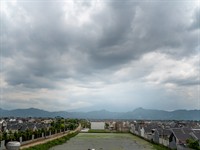
overcast — [ˈəʊvəkɑːst] — completely covered with clouds; apmācies, drūms
The sky was overcast all morning, and the city looked grey and quiet.
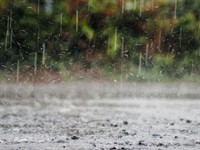
precipitation — [prɪˌsɪpɪˈteɪʃən] — any form of water that falls from the atmosphere to the ground, such as rain, snow, or hail; nokrišņi
In tropical regions, heavy precipitation can fall almost every afternoon.
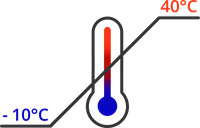
temperature range — [ˈtemprətʃə reɪndʒ] — the difference between the highest and lowest temperatures in a place or period; temperatūras diapazons
Desert regions often have a large temperature range between hot days and cold nights.
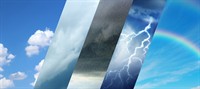
weather conditions — [ˈweðə kənˈdɪʃənz] — the state of the atmosphere at a particular time, including temperature, wind, and precipitation; laikapstākļi
Dangerous weather conditions forced the airport to delay several flights.
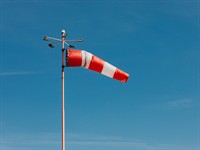
wind direction — [wɪnd dəˈrekʃən] — the direction from which the wind is blowing; vēja virziens
Sailors carefully checked the wind direction before leaving the harbour.
Revise cardinal directions that you studied in form 7: How to Understand Directions II
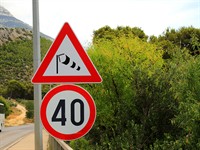
wind speed — [wɪnd spiːd] — how fast the wind is blowing; vēja ātrums
The wind speed reached 120 kilometres per hour during the storm, forcing ships to remain in the harbour for safety.
2. Environmental Consequences
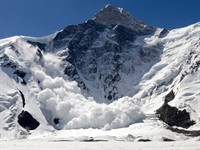
avalanche — [ˈævəlɑːnʃ] — a large mass of snow and ice that suddenly falls down a mountain; lavīna
An avalanche rushed down the mountain, burying the narrow road in seconds.
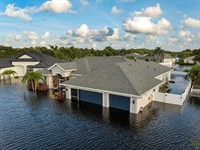
flood — [flʌd] — a large amount of water covering land that is usually dry; plūdi
After two days of heavy rain, the river caused the flood that covered nearby fields and roads.
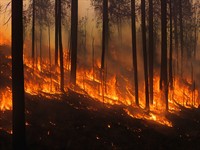
forest fire — [ˈfɒrɪst faɪə] — a large uncontrolled fire that spreads quickly through a forest; meža ugunsgrēks
A forest fire destroyed hundreds of trees and filled the valley with thick smoke.
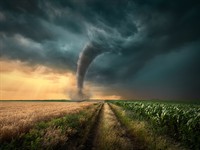
hurricane — [ˈhʌrɪkən] — a powerful tropical storm with very strong winds and heavy rain; viesuļvētra
The hurricane damaged houses and knocked down power lines along the coast.
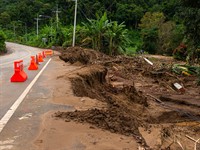
landslide (also: landslip) — [ˈlændslaɪd] — a large amount of earth and rocks suddenly falling down a slope; zemes nogruvums
After the heavy rain, a landslide blocked the mountain road.
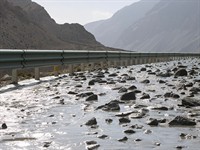
mudslide — [ˈmʌdslaɪd] — a flow of wet mud that moves quickly down a hill or mountain; dubļu nogruvums
The mudslide rushed down the hillside and covered several small houses.
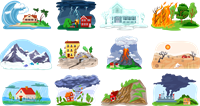
natural disaster — [ˈnætʃrəl dɪˈzɑːstə] — a sudden dangerous natural event that causes great damage or loss of life; dabas katastrofa
Earthquakes, floods, and hurricanes are examples of natural disasters.
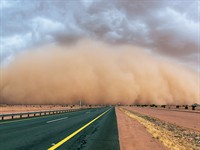
sand storm (also: dust storm) — [sænd stɔːm] — a strong wind that carries large amounts of sand through the air; smilšu vētra
The sand storm covered the desert camp and filled tents with fine sand.
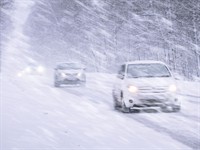
snowstorm — [ˈsnəʊstɔːm] — a storm with heavy snowfall and strong winds; sniega vētra
The snowstorm forced the airport to cancel dozens of flights.
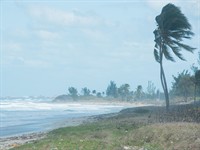
storm — [stɔːm] — a period of very bad weather with strong wind, rain, snow, or thunder; vētra
A sudden storm arrived in the evening, bringing thunder, lightning, and heavy rain.
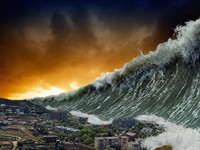
tsunami — [tsuːˈnɑːmi] — a very large ocean wave caused by an underwater earthquake or volcanic eruption; cunami
The tsunami moved across the ocean and flooded coastal towns within minutes.
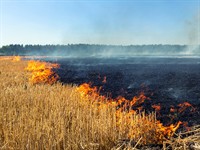
wildfire — [ˈwaɪldfaɪə] — a large uncontrolled fire that spreads quickly through forests, grasslands, or other natural areas; savvaļas ugunsgrēks
Firefighters worked day and night to stop the wildfire from reaching the village.
...