

The City That Never Sleeps
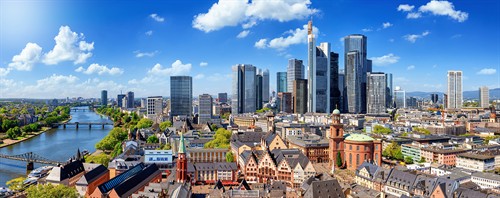
At sunrise, the city slowly comes to life. A commuter steps out of a block of flats, glances at the time and hurries towards the station. Below the streets, trains rush through a long tunnel, carrying people from the suburbs into the metropolitan centre. Above ground, buses, taxis, bicycles and delivery vans meet at a busy junction, and before long, the first traffic jam of the day has already begun.
This is a populous, sprawling city, but it is not just a place of crowds and concrete. It is a city where the past and the future seem to live next door to each other. On one side of the river, an ancient fortress stands above the water, a reminder of the time when the city needed strong walls for protection. Nearby, a quiet convent sits behind high stone walls, while a historic court of law overlooks the main square. These buildings give the old centre a serious, almost dramatic atmosphere.
A few streets away, however, the city feels completely different. A wide boulevard lined with trees leads into a bustling shopping area. There is a small barbershop next to a bookshop, a modern clinic beside a pharmacy, and an old theatre where a travelling circus performs every winter. This part of the city is lively and convenient: cafés, shops, transport stops and services are all close together. It feels surprisingly compact, even though thousands of people pass through it every day.
Culture is one of the city’s greatest strengths. Its national academy trains young artists, musicians, designers and architects. Just around the corner, a bright glass gallery shows contemporary art, while a larger museum prepares an international exhibition about urban life around the world. Visitors often describe this district as vibrant, full of music, street performances, cafés and creative energy. Local people enjoy it too, although some complain that it becomes too touristy in summer, when souvenir shops and guided tours take over the narrow streets.
Across the river, the skyline becomes sharper and more modern. A silver skyscraper catches the evening light, and a dark office block rises beside it. This business district is flourishing, with international companies, busy cafés and people rushing between meetings. At lunchtime, office workers cross the square with takeaway coffee in their hands, while couriers weave between the buildings. It is an exciting area, but it can also feel a little cold and impersonal.
Further east, the city shows a harder side. The streets are narrower, the buildings are older, and the air is more polluted because of heavy traffic and nearby factories. In one district, an old slum still reveals the problems that can exist behind a city’s attractive image: overcrowded housing, poor services and a lack of safe public spaces. City planners know that this part of the city cannot simply be hidden or forgotten. A fair city must improve life not only in its beautiful centre, but also in its poorest neighbourhoods.
Near the coast, the city opens out towards the sea. Its harbour is protected by a long wall, and boats move slowly across the water. The wider port area is full of cranes, warehouses, trucks and workers. For centuries, this was where goods, people and ideas entered the city. Today, part of the old port is being turned into a green public space, with walking paths, trees, benches and playgrounds. It is a sign that a city can change and grow without losing its memory.
By evening, the city is glowing again. The fortress shines above the river, the boulevard fills with people, and the windows of the skyscraper sparkle like stars. The city is not perfect. It is noisy, expensive, crowded and sometimes unfair. Yet it is also magnificent: full of movement, history, work, culture and imagination. A city is never just a collection of buildings. It is a living story, and every street has something different to say.
Revise: city life is not a completely new topic for you. Before learning new vocabulary, revise the ideas and words you have already studied in Forms 3, 4, 7 and 8: In the city: Public Places, More from Places in the City, Eating out, Moving Around – Directions, How to Talk About Road Safety, Art: Visiting an Exhibition, a Museum
Key vocabulary:
academy — [əˈkæd.ə.mi] — an organization intended to protect and develop an art, science, language, etc., or a school that teaches a particular subject or trains people for a particular job; akadēmija, (augstākā vai speciālā vidējā) mācību iestāde
barbershop (also barber shop) — [ˈbɑː.bə.ʃɒp] — a place where men and boys get their hair cut; vīriešu frizētava
block of flats (US apartment building) — [ˌblɒk əv ˈflæts] — a large building that is divided into apartments; daudzdzīvokļu māja
boulevard (written abbreviation Blvd) — [ˈbuː.lə.vɑːd] — a wide road in a city, usually with trees on each side or along the centre; bulvāris
circus — [ˈsɜː.kəs] — a group of travelling performers including acrobats (= people skilled in difficult physical movements) or those who work with trained animals, or a performance by such people usually in a large tent; cirks
clinic — [ˈklɪn.ɪk] — a building, often part of a hospital, to which people can go for medical care or advice relating to a particular condition; klīnika
commuter — [kəˈmjuː.tər] — someone who regularly travels between work and home; tas, kurš regulāri pārvietojas ar transportu no darba uz mājām un atpakaļ
convent — [ˈkɒn.vənt] — a building in which nuns (= members of a female religious order) live; (sieviešu) klosteris
court of law (also law court) — [ˌkɔːt əv ˈlɔː] —a place where trials and legal cases are decided, or the group of people who deal with legal cases there; tiesa
exhibition — [ˌek.sɪˈbɪʃ.ən] — an event at which objects such as paintings are shown to the public, a situation in which someone shows a particular skill or quality to the public, or the act of showing these things; izstāde
fortress — [ˈfɔː.trəs] — a large, strong building or group of buildings that can be defended from attack; cietoksnis
gallery — [ˈɡæl.ər.i] — a room or building that is used for showing works of art, sometimes so that they can be sold; galerija
harbour — [ˈhɑː.bər] — an area of water next to the coast, often protected from the sea by a thick wall, where ships and boats can shelter; osta
junction — [ˈdʒʌŋk.ʃən] — a place where roads, railways, paths, rivers, etc. come together; savienojums, dzelzceļa mezgls
office block — ['ɒfɪs blɒk] — office building; administratīvā ēka
skyscraper — [ˈskaɪˌskreɪ.pər] — a very tall modern building, usually in a city; debesskrāpis
slum — [slʌm] — a very poor and crowded area, especially of a city; graustu rajons
traffic jam — [ˈtræf.ɪk ˌdʒæm] — a large number of vehicles close together and unable to move or moving very slowly; satiksmes sastrēgums
tunnel — [ˈtʌn.əl] — a long passage under or through the ground, especially one made by people; tunelis
Adjective corner
ancient — [ˈeɪn.ʃənt] — of or from a long time ago, having lasted for a very long time; sens, antīks
bustling — [ˈbʌs.lɪŋ] — if a place is bustling, it is full of busy activity; rosīgs, nemierīgs, trokšņains
compact — [kəmˈpækt] — consisting of parts that are positioned together closely or in a tidy way, using very little space; kompakts, blīvs
convenient — [kənˈviː.ni.ənt] — suitable for your purposes and needs and causing the least difficulty; ērts, piemērots, viegli sasniedzams
flourishing — [ˈflʌr.ɪ.ʃɪŋ] — growing or developing successfully; ziedošs, plaukstošs
green — [ɡriːn] — covered with grass, trees, and other plants; zaļš
historic — [hɪˈstɒr.ɪk] — important or likely to be important in history; vēsturisks, vēsturiskas nozīmes-
lively — [ˈlaɪv.li] — full of energy and enthusiasm; interesting and exciting; dzīvs, mundrs, možs
magnificent — [mæɡˈnɪf.ɪ.sənt] — very good, beautiful, or deserving to be admired; brīnišķīgs, lielisks, krāšņs, grezns
metropolitan — [ˌmet.rəˈpɒl.ɪ.tən] — relating to or being a large city; galvaspilsētas-, metropoles-
polluted — [pəˈluː.tɪd] — affected by pollution; piesārņots
populous — [ˈpɒp.jə.ləs] — a populous country, area, or place has a lot of people living in it; biezi apdzīvots
sprawling — [ˈsprɔː.lɪŋ] — (of a city) covered with buildings across a large area, often ones that have been added gradually over a period of time; tāds, kas ir plaši izpleties
touristy — [ˈtʊə.rɪ.sti] — a touristy place is not attractive because a lot of tourists visit it and it is full of things for them to buy and do; pārpildīts ar tūristiem (negatīva nozīme)
vibrant — [ˈvaɪ.brənt] — energetic, exciting, and full of enthusiasm; dzīvīgs
barbershop (also barber shop) — [ˈbɑː.bə.ʃɒp] — a place where men and boys get their hair cut; vīriešu frizētava
block of flats (US apartment building) — [ˌblɒk əv ˈflæts] — a large building that is divided into apartments; daudzdzīvokļu māja
boulevard (written abbreviation Blvd) — [ˈbuː.lə.vɑːd] — a wide road in a city, usually with trees on each side or along the centre; bulvāris
circus — [ˈsɜː.kəs] — a group of travelling performers including acrobats (= people skilled in difficult physical movements) or those who work with trained animals, or a performance by such people usually in a large tent; cirks
clinic — [ˈklɪn.ɪk] — a building, often part of a hospital, to which people can go for medical care or advice relating to a particular condition; klīnika
commuter — [kəˈmjuː.tər] — someone who regularly travels between work and home; tas, kurš regulāri pārvietojas ar transportu no darba uz mājām un atpakaļ
convent — [ˈkɒn.vənt] — a building in which nuns (= members of a female religious order) live; (sieviešu) klosteris
court of law (also law court) — [ˌkɔːt əv ˈlɔː] —a place where trials and legal cases are decided, or the group of people who deal with legal cases there; tiesa
exhibition — [ˌek.sɪˈbɪʃ.ən] — an event at which objects such as paintings are shown to the public, a situation in which someone shows a particular skill or quality to the public, or the act of showing these things; izstāde
fortress — [ˈfɔː.trəs] — a large, strong building or group of buildings that can be defended from attack; cietoksnis
gallery — [ˈɡæl.ər.i] — a room or building that is used for showing works of art, sometimes so that they can be sold; galerija
harbour — [ˈhɑː.bər] — an area of water next to the coast, often protected from the sea by a thick wall, where ships and boats can shelter; osta
junction — [ˈdʒʌŋk.ʃən] — a place where roads, railways, paths, rivers, etc. come together; savienojums, dzelzceļa mezgls
office block — ['ɒfɪs blɒk] — office building; administratīvā ēka
skyscraper — [ˈskaɪˌskreɪ.pər] — a very tall modern building, usually in a city; debesskrāpis
slum — [slʌm] — a very poor and crowded area, especially of a city; graustu rajons
traffic jam — [ˈtræf.ɪk ˌdʒæm] — a large number of vehicles close together and unable to move or moving very slowly; satiksmes sastrēgums
tunnel — [ˈtʌn.əl] — a long passage under or through the ground, especially one made by people; tunelis
Adjective corner
ancient — [ˈeɪn.ʃənt] — of or from a long time ago, having lasted for a very long time; sens, antīks
bustling — [ˈbʌs.lɪŋ] — if a place is bustling, it is full of busy activity; rosīgs, nemierīgs, trokšņains
compact — [kəmˈpækt] — consisting of parts that are positioned together closely or in a tidy way, using very little space; kompakts, blīvs
convenient — [kənˈviː.ni.ənt] — suitable for your purposes and needs and causing the least difficulty; ērts, piemērots, viegli sasniedzams
flourishing — [ˈflʌr.ɪ.ʃɪŋ] — growing or developing successfully; ziedošs, plaukstošs
green — [ɡriːn] — covered with grass, trees, and other plants; zaļš
historic — [hɪˈstɒr.ɪk] — important or likely to be important in history; vēsturisks, vēsturiskas nozīmes-
lively — [ˈlaɪv.li] — full of energy and enthusiasm; interesting and exciting; dzīvs, mundrs, možs
magnificent — [mæɡˈnɪf.ɪ.sənt] — very good, beautiful, or deserving to be admired; brīnišķīgs, lielisks, krāšņs, grezns
metropolitan — [ˌmet.rəˈpɒl.ɪ.tən] — relating to or being a large city; galvaspilsētas-, metropoles-
polluted — [pəˈluː.tɪd] — affected by pollution; piesārņots
populous — [ˈpɒp.jə.ləs] — a populous country, area, or place has a lot of people living in it; biezi apdzīvots
sprawling — [ˈsprɔː.lɪŋ] — (of a city) covered with buildings across a large area, often ones that have been added gradually over a period of time; tāds, kas ir plaši izpleties
touristy — [ˈtʊə.rɪ.sti] — a touristy place is not attractive because a lot of tourists visit it and it is full of things for them to buy and do; pārpildīts ar tūristiem (negatīva nozīme)
vibrant — [ˈvaɪ.brənt] — energetic, exciting, and full of enthusiasm; dzīvīgs
Practice: now that you have learned the key vocabulary, it is time to use it in practice. Answer the discussion-type questions, which will help you develop the ability to give longer answers and practise how to express your opinion — just as in an English exam or real conversation. For each question, an answer prompt is available to guide you. Revise opinion phrases you have already studied: Insights into Family Relationships
Discussion-Type Questions
1. Why do many people choose to live in large cities?
"In my view, many people choose to live in large cities because they offer more opportunities than smaller towns or rural areas. One strong reason is that a metropolitan area usually provides better access to education, healthcare, public transport and employment. For example, a commuter may be able to reach a university, a clinic, an office block or a cultural event within a relatively short time. This means that city life can be convenient and dynamic. However, this convenience often comes with disadvantages, such as traffic jams, pollution and a faster, more stressful lifestyle."
"In my view, many people choose to live in large cities because they offer more opportunities than smaller towns or rural areas. One strong reason is that a metropolitan area usually provides better access to education, healthcare, public transport and employment. For example, a commuter may be able to reach a university, a clinic, an office block or a cultural event within a relatively short time. This means that city life can be convenient and dynamic. However, this convenience often comes with disadvantages, such as traffic jams, pollution and a faster, more stressful lifestyle."
2. Is living in a compact city better than living in a spread-out city?
"On the whole, I would say that living in a compact city can be better because people do not have to travel long distances for everyday needs. Shops, schools, clinics, public transport stops and workplaces are often closer together, which can save both time and energy. For instance, if a person can walk to a barbershop, a pharmacy or a local gallery, daily life becomes easier. At the same time, a compact city may feel crowded if it is not planned carefully. In my opinion, the main point is that a compact city works well only when it also has green spaces, safe streets and efficient transport."
"On the whole, I would say that living in a compact city can be better because people do not have to travel long distances for everyday needs. Shops, schools, clinics, public transport stops and workplaces are often closer together, which can save both time and energy. For instance, if a person can walk to a barbershop, a pharmacy or a local gallery, daily life becomes easier. At the same time, a compact city may feel crowded if it is not planned carefully. In my opinion, the main point is that a compact city works well only when it also has green spaces, safe streets and efficient transport."
3. Should modern cities protect their historic buildings?
"I firmly believe that modern cities should protect their historic buildings because they are part of a city’s identity. Ancient fortresses, old courts of law, convents and historic squares can remind people of important periods in the past. This is important because a city without memory may become just a collection of modern buildings with no deeper character. However, protecting history does not mean stopping development. I would argue that the best cities are those that can combine old architecture with modern needs, such as public transport, housing and business areas."
"I firmly believe that modern cities should protect their historic buildings because they are part of a city’s identity. Ancient fortresses, old courts of law, convents and historic squares can remind people of important periods in the past. This is important because a city without memory may become just a collection of modern buildings with no deeper character. However, protecting history does not mean stopping development. I would argue that the best cities are those that can combine old architecture with modern needs, such as public transport, housing and business areas."
4. Do skyscrapers make a city more successful?
"To some extent, I agree that skyscrapers can make a city look successful because they often show economic growth and modern development. They can provide space for offices, international companies and professional services. For example, a flourishing business district with office blocks and high buildings may attract investment and create jobs. However, a skyline alone does not prove that a city is successful. It seems to me that a truly successful city must also be fair, liveable and safe for ordinary residents, not only impressive for visitors or businesses."
"To some extent, I agree that skyscrapers can make a city look successful because they often show economic growth and modern development. They can provide space for offices, international companies and professional services. For example, a flourishing business district with office blocks and high buildings may attract investment and create jobs. However, a skyline alone does not prove that a city is successful. It seems to me that a truly successful city must also be fair, liveable and safe for ordinary residents, not only impressive for visitors or businesses."
5. Is tourism more beneficial or harmful for cities?
"To some extent, I agree that tourism is beneficial because it can support local businesses, create jobs and make a city more internationally recognised. Museums, galleries, exhibitions, cafés and historic districts can all benefit from visitors. However, tourism can also become harmful if it makes the city too expensive or overcrowded for local residents. In some places, daily life becomes less convenient because streets are full of visitors and housing prices rise. As I see it, tourism is positive only when it respects local people and does not turn the city into a place designed mainly for outsiders."
"To some extent, I agree that tourism is beneficial because it can support local businesses, create jobs and make a city more internationally recognised. Museums, galleries, exhibitions, cafés and historic districts can all benefit from visitors. However, tourism can also become harmful if it makes the city too expensive or overcrowded for local residents. In some places, daily life becomes less convenient because streets are full of visitors and housing prices rise. As I see it, tourism is positive only when it respects local people and does not turn the city into a place designed mainly for outsiders."
6. Should every city invest more in green public spaces?
"I am convinced that every city should invest more in green public spaces because they improve people’s quality of life. Parks, walking paths, trees and playgrounds give residents a place to relax away from traffic, noise and concrete. For example, families, elderly people and office workers can all benefit from peaceful areas where they can exercise, meet others or simply rest. This is especially important in polluted or densely populated districts. As far as I’m concerned, green spaces should not be treated as decorative extras; they are a necessary part of a healthy city."
"I am convinced that every city should invest more in green public spaces because they improve people’s quality of life. Parks, walking paths, trees and playgrounds give residents a place to relax away from traffic, noise and concrete. For example, families, elderly people and office workers can all benefit from peaceful areas where they can exercise, meet others or simply rest. This is especially important in polluted or densely populated districts. As far as I’m concerned, green spaces should not be treated as decorative extras; they are a necessary part of a healthy city."
7. Is it better to live in the city centre or in the suburbs?
"I tend to feel that living in the suburbs can be better for people who want more space and a quieter lifestyle. The city centre may offer more entertainment, services and job opportunities, but it can also be noisy, expensive and crowded. For instance, a family may prefer a residential area with parks, schools and less traffic. However, living in the suburbs can also create problems if public transport is weak and people depend too much on cars. On the whole, I would say that the best choice depends on a person’s age, job, family situation and lifestyle."
"I tend to feel that living in the suburbs can be better for people who want more space and a quieter lifestyle. The city centre may offer more entertainment, services and job opportunities, but it can also be noisy, expensive and crowded. For instance, a family may prefer a residential area with parks, schools and less traffic. However, living in the suburbs can also create problems if public transport is weak and people depend too much on cars. On the whole, I would say that the best choice depends on a person’s age, job, family situation and lifestyle."