

Adventure Awaits: The World of Extreme Travel
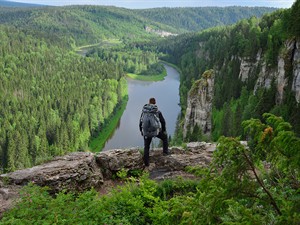
Preparing for the Unknown
Before you begin a journey to explore the wild, you must prepare yourself for a significant challenge. This type of travel is quite different from a typical holiday because it requires special equipment to keep you moving safely. You should always talk to a professional guide who can warn you about the dangers of the area. If you do not have a map or a compass, it is extremely easy to get lost in the middle of nowhere.
The Journey Begins
Imagine you want to hike through a land of giants. Your route might take you along a narrow path on the edge of a steep cliff. To reach the other side, you must climb up the rough rock and cross over a powerful waterfall where the water crashes down from a great height. The air is often freezing at high altitudes, so you must wear layers to protect your body from the cold.
Facing the Danger
Adventure travel is challenging because nature can change suddenly. You might find yourself at the bottom of a deep canyon or inside a dark cave when a storm starts. You must move carefully because it is easy to slip on wet stones. If you risk your life by going into dangerous areas without a plan, you might need a rescue team. Unfortunately, some people find themselves in trouble because they do not listen to experts.
A Success Story
Fortunately, most adventurers finish their trips and have amazing memories. One traveler was already near the highest point of a mountain when a blizzard started, but he knew exactly what to do. He used his tools to stay warm until the sun came out again. A successful trip is not just about the adrenaline; it is about how the experts save the day by making smart choices. Extreme travel is an incredible way to see the world as long as you respect the power of nature.
Key vocabulary:
adventurer — [ədˈven.tʃə.rər] — someone who enjoys and looks for dangerous and exciting experiences; avantūrists, dēkainis
adrenaline — [əˈdren·əl·ən] — a hormone (= chemical substance) produced by the body when a person is frightened, angry, or excited, which makes the heart beat faster and prepares the body to react to danger; adrenalīns
altitude — [ˈæl.tɪ.tʃuːd] — height above sea level; augstums (virs jūras līmeņa)
canyon — [ˈkæn.jən] — a deep valley with steep sides; kanjons
cave — [keɪv] — a large hole in rock or a mountain; ala
cliff — [klɪf] — a high, steep rock face; klints
compass — [ˈkʌm.pəs] — a tool that shows direction (north, south, east, west); kompass
equipment — [ɪˈkwɪp.mənt] — the set of tools or clothing needed for a particular activity; piederumi; iekārta, armatūra
challenge — [ˈtʃæl.ɪndʒ] — something that requires great physical or mental effort; izaicinājums
guide — [ɡaɪd] — a person who leads others in a place they do not know; pavadonis, gids
rescue — [ˈres.kjuː] — saving someone from danger; [iz]glābšana
route — [ruːt] — a particular way or direction between places; maršruts
waterfall — [ˈwɔː.tə.fɔːl] — water that falls from a high place; ūdenskritums
Adjectives
challenging — [ˈtʃæl.ɪn.dʒɪŋ] — difficult but interesting; rosinošs, izaicinošs
freezing — [ˈfriː.zɪŋ] — extremely cold; ledains; stindzinošs
narrow — [ˈnær.əʊ] — not wide; šaurs
cave — [keɪv] — a large hole in rock or a mountain; ala
cliff — [klɪf] — a high, steep rock face; klints
compass — [ˈkʌm.pəs] — a tool that shows direction (north, south, east, west); kompass
equipment — [ɪˈkwɪp.mənt] — the set of tools or clothing needed for a particular activity; piederumi; iekārta, armatūra
challenge — [ˈtʃæl.ɪndʒ] — something that requires great physical or mental effort; izaicinājums
guide — [ɡaɪd] — a person who leads others in a place they do not know; pavadonis, gids
rescue — [ˈres.kjuː] — saving someone from danger; [iz]glābšana
route — [ruːt] — a particular way or direction between places; maršruts
waterfall — [ˈwɔː.tə.fɔːl] — water that falls from a high place; ūdenskritums
Adjectives
challenging — [ˈtʃæl.ɪn.dʒɪŋ] — difficult but interesting; rosinošs, izaicinošs
freezing — [ˈfriː.zɪŋ] — extremely cold; ledains; stindzinošs
narrow — [ˈnær.əʊ] — not wide; šaurs
rough — [rʌf] — not smooth; difficult to travel on; nelīdzens; raupjš
steep — [stiːp] — rising or falling sharply; kraujš, stāvs
Revise weather words from form 7: Weather
Verbs
cross — [krɒs] — to go from one side to the other; šķērsot
explore — [ɪkˈsplɔːr] — to travel around an area to learn about it; [iz]pētīt
get lost (also: get yourself lost) — [ɡet lɒst] — to not know where you are; apmaldīties
hike — [haɪk] — to walk a long way in nature, often on hills or mountains; doties pārgājienā, ekskursijā
prepare — [prɪˈpeər] — to make ready for something; gatavot, sagatavot
protect — [prəˈtekt] — to keep safe from harm; aizsargāt, aizstāvēt
reach — [riːtʃ] — to arrive at a place; sasniegt
steep — [stiːp] — rising or falling sharply; kraujš, stāvs
Revise weather words from form 7: Weather
Verbs
cross — [krɒs] — to go from one side to the other; šķērsot
explore — [ɪkˈsplɔːr] — to travel around an area to learn about it; [iz]pētīt
get lost (also: get yourself lost) — [ɡet lɒst] — to not know where you are; apmaldīties
hike — [haɪk] — to walk a long way in nature, often on hills or mountains; doties pārgājienā, ekskursijā
prepare — [prɪˈpeər] — to make ready for something; gatavot, sagatavot
protect — [prəˈtekt] — to keep safe from harm; aizsargāt, aizstāvēt
reach — [riːtʃ] — to arrive at a place; sasniegt
require — [rɪˈkwaɪər] — to need something or make something necessary; vajadzēt
save — [seɪv] — to stop someone from being harmed; help in danger; pasargāt
slip — [slɪp] — to lose your footing and slide by accident; [pa]slīdēt
warn — [wɔːn] — to tell someone about danger; brīdināt, ziņot
Adverbs
Degree and Intensity
extremely — [ɪkˈstriːm.li] — to a very great degree; ārkārtīgi, ļoti
quite — [kwaɪt] — to a noticeable degree; pilnīgi, pavisam, gluži
Safety, Caution, and Control
carefully — [ˈkeə.fəl.i] — in a way that avoids danger or mistakes; rūpīgi, gādīgi
safely — [ˈseɪf.li] — without danger or harm; droši, drošībā
Time, Change, and Surprise
suddenly — [ˈsʌd.ən.li] — quickly and unexpectedly; pēkšņi
already — [ɔːlˈred.i] — before now or earlier than expected; jau
Result and Evaluation
fortunately — [ˈfɔː.tʃən.ət.li] — by good luck; par laimi
unfortunately — [ʌnˈfɔː.tʃən.ət.li] — by bad luck; diemžēl, par nelaimi
save — [seɪv] — to stop someone from being harmed; help in danger; pasargāt
slip — [slɪp] — to lose your footing and slide by accident; [pa]slīdēt
warn — [wɔːn] — to tell someone about danger; brīdināt, ziņot
Adverbs
Degree and Intensity
extremely — [ɪkˈstriːm.li] — to a very great degree; ārkārtīgi, ļoti
quite — [kwaɪt] — to a noticeable degree; pilnīgi, pavisam, gluži
Safety, Caution, and Control
carefully — [ˈkeə.fəl.i] — in a way that avoids danger or mistakes; rūpīgi, gādīgi
safely — [ˈseɪf.li] — without danger or harm; droši, drošībā
Time, Change, and Surprise
suddenly — [ˈsʌd.ən.li] — quickly and unexpectedly; pēkšņi
already — [ɔːlˈred.i] — before now or earlier than expected; jau
Result and Evaluation
fortunately — [ˈfɔː.tʃən.ət.li] — by good luck; par laimi
unfortunately — [ʌnˈfɔː.tʃən.ət.li] — by bad luck; diemžēl, par nelaimi
Practice: now that you have learned the key vocabulary, it is time to use it in practice. Answer the discussion-type questions, which will help you develop the ability to give longer answers and practise expressing opinions — just as in an English exam or real conversation. For each question, an answer prompt is available to guide you.
Discussion-Type Questions
Discussion-Type Questions
1. Why do some people choose extreme travel instead of traditional holidays?
"From my perspective, extreme travel is more appealing than traditional holidays because it offers a strong sense of challenge and adventure. I believe that many travelers enjoy pushing their limits and discovering places that are not easy to reach. This means that extreme travel can feel more meaningful than relaxing at a hotel, as people learn new skills and gain unforgettable experiences. I completely agree that this type of travel helps people grow personally and appreciate nature in a deeper way."
2. Do you think extreme travel is too dangerous for most travelers?
"I’m not quite sure I agree that extreme travel is too dangerous for most people. While it can be risky, many dangers can be reduced with proper preparation and professional guides. I believe that if travelers follow safety rules and respect expert advice, extreme travel can be managed safely. However, I agree up to a point that it is not suitable for everyone, especially for those who are not physically prepared."
3. How important is preparation when taking part in extreme travel?
"I strongly believe that preparation is essential in extreme travel. Travelers must understand the route, weather conditions, and equipment they need in order to stay safe. I agree that without proper planning, people can easily get lost or injured in dangerous environments. This means that preparation is not just helpful but necessary to avoid accidents and to ensure a successful journey."
4. Should governments limit extreme travel in dangerous natural areas?
"To some extent, I agree that governments should limit extreme travel in very dangerous areas to protect both travelers and nature. However, I don’t completely agree that all extreme travel should be restricted. I believe that responsible travelers who follow rules and use licensed guides should still be allowed access. In this way, safety can be improved without completely banning adventure travel."
5. Is the risk of extreme travel worth the experience it offers?
"I see this differently, as I think the risk is not always worth the experience. While extreme travel can be exciting, accidents can have serious consequences. I’d rather not take such high risks when there are safer ways to explore nature. That said, I understand why some people disagree, as they value adventure more than comfort or safety."
These phrases will help you share opinions politely. You can agree or disagree without sounding rude.
Agreeing
I believe that’s true.
I believe that’s true.
I completely agree.
That makes sense to me.
I feel the same way.
Yes, I believe so.
Note: use these when you share the same opinion or think an idea is logical.
Partly Agreeing / Soft Response
I agree up to a point.
I agree up to a point.
That’s true in some ways.
I see what you mean, but…
I’m not quite sure about that.
Note: these are useful when you don’t fully agree but want to sound polite.
Disagreeing Politely
I don’t really agree.
I don’t really agree.
I don’t think that’s true.
I’m not quite sure I agree.
I see it differently.
I don’t believe that’s the best idea.
Important: politeness matters. These phrases avoid sounding rude.