

Travel with Purpose: From Footprints to Future
The Power of Choice: Defining Ecotourism
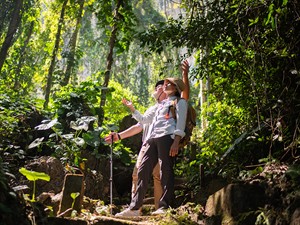
In today’s world, travel is no longer just about checking a destination off a list; it is a powerful choice that determines the future of our planet. True ecotourism is the business of organizing trips to places of natural beauty in a way that actively supports local people and ensures we do not damage the environment. By becoming a responsible traveler, you prioritise actions that conserve global biodiversity and show deep respect for the cultures you visit.
Planning for Impact: Green Choices on the Road
When planning a trip, it is vital to look for ways to gain access to pristine landscapes without harming the very things we came to see. Instead of large hotels, you might choose a homestay, where you live with a resident and enjoy local produce grown in the area. The way you move across the globe is also impactful; choosing active travel, such as walking or cycling, or using public transport helps reduce air pollution and the release of greenhouse gas. Staying in a solar-powered eco-lodge is another excellent way to avoid using fossil fuels and protect the earth.
When planning a trip, it is vital to look for ways to gain access to pristine landscapes without harming the very things we came to see. Instead of large hotels, you might choose a homestay, where you live with a resident and enjoy local produce grown in the area. The way you move across the globe is also impactful; choosing active travel, such as walking or cycling, or using public transport helps reduce air pollution and the release of greenhouse gas. Staying in a solar-powered eco-lodge is another excellent way to avoid using fossil fuels and protect the earth.
Beyond Sustainability: The Goal of Regeneration
Beyond just "leaving no trace," modern travel focuses on regeneration, which is the process of helping a community and its land grow strong again. To achieve this, we must properly dispose all waste and use recyclable materials to ensure that pollution does not destroy our ecosystems. In many fragile areas, following environmental rules is mandatory to prevent overtourism, a situation where too many visitors spoil a place for those who live there. By making these choices, we ensure that tourism acts as a force for good, protecting the world's most beautiful places for generations to come.
Beyond just "leaving no trace," modern travel focuses on regeneration, which is the process of helping a community and its land grow strong again. To achieve this, we must properly dispose all waste and use recyclable materials to ensure that pollution does not destroy our ecosystems. In many fragile areas, following environmental rules is mandatory to prevent overtourism, a situation where too many visitors spoil a place for those who live there. By making these choices, we ensure that tourism acts as a force for good, protecting the world's most beautiful places for generations to come.
Revise: before we dive into the deep end of ecotourism, let’s make sure your foundations are solid! You’ve already mastered the basics of holiday planning (back in form 7), now is the perfect time to give that vocabulary a quick "refresh." Think of this as your pre-flight check: once you’ve revisited these familiar topics, you’ll be ready to discuss complex global issues with total confidence. Revise here: Holidays and Hotels, At the Bus Station, Train Station, Airport, How to Understand Directions
Key vocabulary:
Nouns
access — [ˈæk.ses] — permission, liberty, or ability to enter, approach, or pass to and from a place; pieeja; piekļūšana
active travel — [ˌæk.tɪv ˈtræv.əl] — making journeys by physical means, such as walking or cycling (instead of using cars/planes); aktīvais tūrisms
air pollution — [ˈeə pəˌluː.ʃən] — harmful chemicals in the air that lower its quality; gaisa piesārņojums
biodiversity — [ˌbaɪ.əʊ.daɪˈvɜː.sə.ti] — the number and types of plants and animals that exist in a particular area; bioloģiskā daudzveidība
destination — [ˌdes.tɪˈneɪ.ʃən] — the place where someone is going or where something is being sent; galamērķis
access — [ˈæk.ses] — permission, liberty, or ability to enter, approach, or pass to and from a place; pieeja; piekļūšana
active travel — [ˌæk.tɪv ˈtræv.əl] — making journeys by physical means, such as walking or cycling (instead of using cars/planes); aktīvais tūrisms
air pollution — [ˈeə pəˌluː.ʃən] — harmful chemicals in the air that lower its quality; gaisa piesārņojums
biodiversity — [ˌbaɪ.əʊ.daɪˈvɜː.sə.ti] — the number and types of plants and animals that exist in a particular area; bioloģiskā daudzveidība
destination — [ˌdes.tɪˈneɪ.ʃən] — the place where someone is going or where something is being sent; galamērķis
ecotourism — [ˈiː.kəʊˌtʊə.rɪ.zəm] — the business of organizing holidays to places of natural beauty in a way that helps local people and does not damage the environment; ekotūrisms
greenhouse gas — [ˌɡriːn.haʊs ˈɡæs] — gases (like carbon dioxide) that contribute to climate change; siltumnīcefekta gāzes
environment — [ɪnˈvaɪ.rə.mənt] — the air, water, and land in or on which people, animals, and plants live; apkārtne; apkārtējā vide
homestay — [ˈhəʊm.steɪ] — accommodations for travelers in a local resident’s home; uzturēšanās viesģimenē
local produce — [ˈləʊ.kəl prəˈdʒuːs] — food that is grown or made in the area where you are staying; vietējā produkcija
overtourism — [ˌəʊ.vəˈtʊə.rɪ.zəm] — the situation when too many people visit a place on holiday, so that the place is spoiled and life is made difficult for the people who live there; pārāk liela tūrisma slodze
pollution — [pəˈluː.ʃən] — damage caused to water, air, etc., by harmful substances or waste; piesārņošana
public transport — [ˌpʌb.lɪk ˈtræn.spɔːt] — buses, trains, and other vehicles that are available for everyone to use; sabiedriskais transports
regeneration — [rɪˌdʒenəˈreɪʃn] — the process of making an area, institution, etc. develop and grow strong again; reģenerācija, atjaunošanās (pēc pārtraukuma, intensitātes mazināšanās)
waste — [weɪst] — material that is not needed or wanted after it has been used; atkritumi
Adjectives
impactful — [ɪmˈpækt.fəl] — having a powerful or major effect; satriecošs; efektīvs
local — [ˈləʊ.kəl] — relating to the particular area you are visiting; vietējais
mandatory — [ˈmæn.də.tər.i] — something that must be done because of a rule or law; obligāts
natural — [ˈnætʃ.ər.əl] — as found in nature; not made or caused by people; dabas-; dabisks
pristine — [ˈprɪs.tiːn] — fresh and clean; unpolluted or untouched by humans; neskarts; tīrs, pirmatnējs; primitīvs
recyclable — [ˌriːˈsaɪ.klə.bəl] — able to be used again after a special process; pārstrādājams
responsible — [rɪˈspɒn.sə.bəl] — be responsible for someone/something/doing something; atbildīgs
solar-powered — [ˌsəʊ.ləˈpaʊəd] — using energy from the sun; ar saules enerģiju darbināts
Verbs
avoid — [əˈvɔɪd] — to stay away from someone or something; izvairīties
damage — [ˈdæm.ɪdʒ] — to harm or spoil something; radīt zaudējumus, bojājumus
dispose (of) — [dɪˈspəʊz] — to get rid of something, especially by throwing it away; atbrīvoties (no kaut kā)
prioritise — [praɪˈɒr.ɪ.taɪz] — to decide which of a group of things are the most important so that you can deal with them first; izvirzīt par prioritāti, dot priekšroku
respect — [rɪˈspekt] — to treat something or someone with care and importance; cienīt
support — [səˈpɔːt] — to help someone or something (e.g., supporting local businesses); atbalstīt
conserve — [kənˈsɜːv] — to keep and protect something from damage or waste; saglabāt
greenhouse gas — [ˌɡriːn.haʊs ˈɡæs] — gases (like carbon dioxide) that contribute to climate change; siltumnīcefekta gāzes
environment — [ɪnˈvaɪ.rə.mənt] — the air, water, and land in or on which people, animals, and plants live; apkārtne; apkārtējā vide
homestay — [ˈhəʊm.steɪ] — accommodations for travelers in a local resident’s home; uzturēšanās viesģimenē
local produce — [ˈləʊ.kəl prəˈdʒuːs] — food that is grown or made in the area where you are staying; vietējā produkcija
overtourism — [ˌəʊ.vəˈtʊə.rɪ.zəm] — the situation when too many people visit a place on holiday, so that the place is spoiled and life is made difficult for the people who live there; pārāk liela tūrisma slodze
pollution — [pəˈluː.ʃən] — damage caused to water, air, etc., by harmful substances or waste; piesārņošana
public transport — [ˌpʌb.lɪk ˈtræn.spɔːt] — buses, trains, and other vehicles that are available for everyone to use; sabiedriskais transports
regeneration — [rɪˌdʒenəˈreɪʃn] — the process of making an area, institution, etc. develop and grow strong again; reģenerācija, atjaunošanās (pēc pārtraukuma, intensitātes mazināšanās)
waste — [weɪst] — material that is not needed or wanted after it has been used; atkritumi
Adjectives
impactful — [ɪmˈpækt.fəl] — having a powerful or major effect; satriecošs; efektīvs
local — [ˈləʊ.kəl] — relating to the particular area you are visiting; vietējais
mandatory — [ˈmæn.də.tər.i] — something that must be done because of a rule or law; obligāts
natural — [ˈnætʃ.ər.əl] — as found in nature; not made or caused by people; dabas-; dabisks
pristine — [ˈprɪs.tiːn] — fresh and clean; unpolluted or untouched by humans; neskarts; tīrs, pirmatnējs; primitīvs
recyclable — [ˌriːˈsaɪ.klə.bəl] — able to be used again after a special process; pārstrādājams
responsible — [rɪˈspɒn.sə.bəl] — be responsible for someone/something/doing something; atbildīgs
solar-powered — [ˌsəʊ.ləˈpaʊəd] — using energy from the sun; ar saules enerģiju darbināts
Verbs
avoid — [əˈvɔɪd] — to stay away from someone or something; izvairīties
damage — [ˈdæm.ɪdʒ] — to harm or spoil something; radīt zaudējumus, bojājumus
dispose (of) — [dɪˈspəʊz] — to get rid of something, especially by throwing it away; atbrīvoties (no kaut kā)
prioritise — [praɪˈɒr.ɪ.taɪz] — to decide which of a group of things are the most important so that you can deal with them first; izvirzīt par prioritāti, dot priekšroku
respect — [rɪˈspekt] — to treat something or someone with care and importance; cienīt
support — [səˈpɔːt] — to help someone or something (e.g., supporting local businesses); atbalstīt
conserve — [kənˈsɜːv] — to keep and protect something from damage or waste; saglabāt
Practice: now that you have learned the key vocabulary, it is time to use it in practice. Answer the discussion-type questions, which will help you develop the ability to give longer answers and practise expressing opinions — just as in an English exam or real conversation. For each question, an answer prompt is available to guide you.
Discussion-Type Questions
1. Why should travelers choose ecotourism instead of traditional holidays?
From my perspective, ecotourism is a much better choice than traditional holidays since this business focuses on protecting the environment and supporting local people instead of just visiting for fun. I believe that when we prioritise activities that conserve biodiversity, we ensure that natural beauty remains for the future. This means that we can see the world in a responsible way so that we avoid causing damage to pristine locations.
From my perspective, ecotourism is a much better choice than traditional holidays since this business focuses on protecting the environment and supporting local people instead of just visiting for fun. I believe that when we prioritise activities that conserve biodiversity, we ensure that natural beauty remains for the future. This means that we can see the world in a responsible way so that we avoid causing damage to pristine locations.
2. In what ways can ecotourism benefit the local community of a destination?
In my view, ecotourism is highly impactful since it encourages travelers to stay in a homestay and buy local produce instead of using international hotel chains. I firmly believe that this is essential because of the economic support it provides to the area, which means that the money stays within the community. For this reason, the local economy can grow strong again through the process of regeneration, creating a deeper respect between visitors and residents while making the destination better for everyone.
In my view, ecotourism is highly impactful since it encourages travelers to stay in a homestay and buy local produce instead of using international hotel chains. I firmly believe that this is essential because of the economic support it provides to the area, which means that the money stays within the community. For this reason, the local economy can grow strong again through the process of regeneration, creating a deeper respect between visitors and residents while making the destination better for everyone.
3. How can travelers help to reduce pollution when they visit natural areas?
From my perspective, travelers can play a vital role in protecting the earth by choosing active travel or public transport to reach their destination. I believe it is responsible to avoid using cars since this significantly reduces air pollution and the release of greenhouse gas. This means that we can enjoy the natural beauty of the environment without causing damage, which is why it is mandatory for everyone to properly dispose all waste to keep our ecosystems pristine.
From my perspective, travelers can play a vital role in protecting the earth by choosing active travel or public transport to reach their destination. I believe it is responsible to avoid using cars since this significantly reduces air pollution and the release of greenhouse gas. This means that we can enjoy the natural beauty of the environment without causing damage, which is why it is mandatory for everyone to properly dispose all waste to keep our ecosystems pristine.
4. Do you think overtourism is a bigger threat to the environment than pollution?
To some extent, I agree that overtourism is a serious problem since too many visitors can quickly damage a pristine location. However, I tend to feel that pollution is equally impactful because of the way it destroys the ecosystem for plants and animals. In other words, we must prioritise ecotourism practices so that we can gain access to beautiful places without destroying them for future generations.
To some extent, I agree that overtourism is a serious problem since too many visitors can quickly damage a pristine location. However, I tend to feel that pollution is equally impactful because of the way it destroys the ecosystem for plants and animals. In other words, we must prioritise ecotourism practices so that we can gain access to beautiful places without destroying them for future generations.
The Formula for Better Arguments
O — Opinion (What do you think?) Start by clearly stating your point of view. Revise phrases you have studied before:
R — Reason (Why do you think that?) Give a reason for your opinion using justification phrases.
E — Explanation or Example (What is the result?) Explain the consequence or give a real-life example to prove your point.
O — Opinion (What do you think?) Start by clearly stating your point of view. Revise phrases you have studied before:
R — Reason (Why do you think that?) Give a reason for your opinion using justification phrases.
E — Explanation or Example (What is the result?) Explain the consequence or give a real-life example to prove your point.
Justification Toolkit
When to use: use this when your reason is a thing or a situation, not a full sentence.
How to use: "I chose this eco-lodge because of its solar power."
2. For this reason, + [Sentence]
When to use: use this at the start of a new sentence to summarize why you made a choice.
How to use: "A homestay supports local families. For this reason, I prefer them to big hotels."
3. Since / As...
When to use: these are more formal versions of "because" often used at the beginning of a sentence.
How to use: "Since I want to protect biodiversity, I never disturb wildlife."
4. That is why...
When to use: use this to connect a known fact to a specific behavior.
How to use: "Overtourism spoils nature. That is why I travel during the low season."
5. ...due to...
When to use: similar to "because of". It explains the cause of a problem.
How to use: "The forest is pristine due to strict mandatory rules."
Explanation and Example Phrases
Purpose: to show the logical result or consequence of your reason.
Example: "We choose active travel like cycling, which means that we don't contribute to air pollution in the city."
2. ...so that...
Purpose: to explain the goal or the "purpose" behind an action.
Example: "Travelers should stay in a homestay so that their money directly supports the local community."
3. For instance,
Purpose: to give a specific, real-life case that proves your point.
Example: "Ecotourism protects biodiversity. For instance, some parks use entry fees to pay for forest conservation."
4. In other words,
Purpose: to "clarify the meaning" of a complex idea.
Example: "We focus on regeneration. In other words, we want to leave the destination better than we found it."
5. This shows that...
Purpose: to explain the "big picture" or what the facts prove.
Example: "We use recyclable materials and avoid waste. This shows that we are responsible travelers."