

The Future of Travel: Exploring from Home
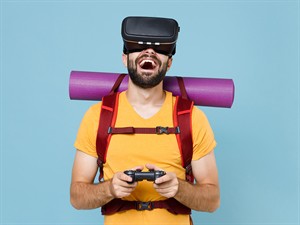
Have you ever dreamed of visiting the Great Wall of China or the Louvre Museum without ever leaving your sofa? Today, technology makes it convenient to travel the world from your own home. Through a high-quality online experience, anyone who can connect to the internet can explore the most distant corners of the globe.
Starting Your Journey
To begin, you simply access a travel website and choose your destination. Whether it is a famous city or a hidden forest, you can navigate through the site to find exactly what you want to see. Many museums now offer a virtual tour, which is an enjoyable way to spend an afternoon learning about art and history. As you move through the rooms, you can control the camera to look around. If you see a painting you like, you can zoom in to see the tiny details or zoom out to see the whole gallery. Many of these tours offer a 360-degree view, so you can look in every direction just as if you were standing in the middle of the room.
Tools for Discovery
While you are visiting these famous sites online, you can an audio guide to hear recorded stories about the objects on your screen. If you prefer to see things happening in real-time, you can watch a livestream of a place, such as a busy market in Tokyo or a quiet beach in Hawaii. It is a great way to experience the sunset on the other side of the world.
While you are visiting these famous sites online, you can an audio guide to hear recorded stories about the objects on your screen. If you prefer to see things happening in real-time, you can watch a livestream of a place, such as a busy market in Tokyo or a quiet beach in Hawaii. It is a great way to experience the sunset on the other side of the world.
A Realistic Adventure
For those who want to feel truly present in another country, a virtual reality headset is the perfect tool. When you wear it, you have an immersive experience that is so realistic you might imagine you can actually smell the ocean or feel the heat of the sun. It is a exciting way to discover new cultures and experience world wonders that are thousands of miles away.
For those who want to feel truly present in another country, a virtual reality headset is the perfect tool. When you wear it, you have an immersive experience that is so realistic you might imagine you can actually smell the ocean or feel the heat of the sun. It is a exciting way to discover new cultures and experience world wonders that are thousands of miles away.
Key vocabulary:
audio guide — [ˈɔː.di.əʊ ˌɡaɪd] — a recording that you can listen to when you visit a place, such as a museum or historic building, to hear information about the place and the things in it; audio gids, audioceļvedis
destination — [ˌdes.tɪˈneɪ.ʃən] — the place you are "visiting" (e.g., "Paris is a popular virtual destination"); galamērķis
immersive experience — [ɪˈmɜː.sɪv ɪkˈspɪə.ri.əns] — an experience that feels so real that you forget you are at home; reālistiska pieredze
livestream — [ˈlaɪv.striːm] — a live broadcast of a place or event over the internet; tiešraide
online experience — [ˈɒn laɪn ɪk ˈspɪə ri əns] — something you see or do on the internet that feels meaningful; tiešsaistes pieredze
virtual reality headset (also: VR Headset) — [ˌvɜː.tʃu.əl riˌæl.ɪ.ti ˈhed.set] — the device worn over the eyes to experience virtual reality; virtuālās realitātes brilles
virtual tour — [ˈvɜː tʃu əl tʊə] — a digital visit to a place using images or videos; virtuālā tūre
360-degree view — [θriː sɪk sti dɪ ˈɡriː vjuː] — an image or video that lets you look in all directions; 360 grādu skats, panorāmas skats
Verbs
access — [ˈæk.ses] — to open or enter a website or service; piekļūt
connect — [kə ˈnekt] — to join to the internet or another device; pieslēgties, savienoties
control — [kənˈtrəʊl] — to manage how something works (e.g., camera view); kontrolēt
experience — [ɪk ˈspɪə ri əns] — to see feel or do something and be affected by it; piedzīvot
explore — [ɪk ˈsplɔː] — to look around a place to learn about it; izpētīt
discover — [dɪ ˈskʌv ər] — to find something new that you did not know before; atklāt
imagine — [ɪ ˈmædʒ ɪn] — to create a picture or idea in your mind; iztēloties
navigate — [ˈnæv.ɪ.ɡeɪt] — to find your way around a website or a virtual map; vadīt, virzīt
zoom in/out — [zuːm] — to make the image look closer or further away; [iz]mainīt fokusa attālumu
Adjectives
convenient — [kən ˈviː ni ənt] — easy and practical to use; ērts
exciting — [ɪkˈsɑɪ·t̬ɪŋ] — making you feel interested or happy; saistošs, aizraujošs
enjoyable — [ɪnˈdʒɔɪ.ə.bəl] — pleasant and fun; patīkams
Practice: now that you’ve mastered the new words, let’s put them to work! Try answering these discussion questions to help you give longer, more detailed answers. This is great preparation for both English exams and real-life conversations. If you get stuck, use the answer prompts to help you get started.
1. How has technology changed the way we discover new places?
"In my view, technology has completely transformed how people learn about the world because it is now so easy to access information instantly. From my perspective, the most significant change is that travelers can connect to the internet and watch a livestream of a city on the other side of the world. This means a person can see exactly what is happening in real-time without buying a plane ticket. I personally believe that using a 360-degree view to look around famous landmarks is a game-changer. Since a user can control the camera and zoom in on specific details, it is possible to discover much more about a historic site than in the past. To be honest, this kind of online experience makes the world feel smaller and more exciting, as it allows everyone to explore and imagine a new culture from their own home."
2. Some people say virtual travel is better for the environment. What do you think?
"As far as I am concerned, this is a very strong argument because traditional tourism often puts a lot of pressure on nature. It seems to me that traveling to a far destination by plane is a major issue since long-distance flights cause significant pollution. I am convinced that if more people choose to experience world wonders through a virtual tour, the planet will benefit. For instance, using a virtual reality headset to visit a coral reef is a convenient and eco-friendly way to see beautiful places without damaging them. In my opinion, these digital alternatives allow us to explore fragile locations while keeping them safe. To be honest, while a real trip is special, an online experience is a much more responsible choice for anyone worried about their carbon footprint."
3. How do you think technology will change the way people travel in the next ten years?
"It is my belief that the travel industry will look very different in the future due to new gadgets. I am fairly sure that more people will use a virtual reality headset to check out a destination before they decide to book an expensive flight. This allows a traveler to have an immersive experience first to see if they actually like the location. Furthermore, from my perspective, the way tourists move around will change; we will likely rely on a digital guide on our phones to navigate through airports or busy cities in real-time. Technology is bound to make the whole process more convenient, as travelers can get amazing online experiences that don't even require them to leave their homes. Ultimately, while people will still want to go on real trips, I think the "try before you buy" method using a virtual tour will become the standard."
4. Some people say that too much technology makes us lazy. Do you agree?
"I agree to some extent, though I believe the issue is quite complex. In my view, it is incredibly convenient to look at the world through a screen, but there is a risk that people might forget to enjoy the outdoors. As I see it, if a person only decides to connect to the internet to experience new things, they may lose the motivation to move around and explore the real world. This could lead to a less active lifestyle. I personally feel that users must find a healthy balance between an online experience and real-life physical activities. To be honest, while a virtual tour or a livestream is a fantastic way to discover a new destination, it should be used as a tool for learning rather than a complete replacement for real-life travel and exercise."