

Two Travellers. Two Experiences.
Not all holidays are the same. Some travellers look for physical challenges and adventure, while others prefer comfort, culture and relaxation. Read the travel diary fragments below and discover how active tourism and leisure tourism create completely different travel experiences. As you read, pay attention to the highlighted vocabulary and think about which type of tourism you would prefer.
Not all holidays are the same. Some travellers look for physical challenges and adventure, while others prefer comfort, culture and relaxation. Read the travel diary fragments below and discover how active tourism and leisure tourism create completely different travel experiences. As you read, pay attention to the highlighted vocabulary and think about which type of tourism you would prefer.
Active Tourism Diary – Triglav National Park, Slovenia
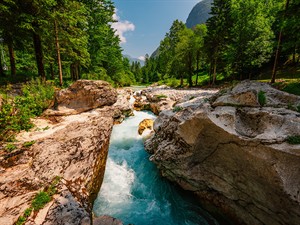
Day 1 — Hiking in the Julian Alps
We arrived in Triglav National Park to begin our adventure experience. Our guided expedition started early in the morning along a steep hiking trail in the Julian Alps. I carried a heavy backpack filled with essential equipment, including a tent for camping. The climb was challenging and quite tiring, but I felt truly adventurous and active.
Day 2 — Mountain Conditions
The weather changed suddenly, which reminded us that in the mountains an emergency can happen at any time. The situation was slightly stressful, but our guide stayed calm and professional. Even though the journey was physically demanding, the experience was unforgettable.
Day 3 — Reflection
Active tourism is not always comfortable or relaxing, but it helps you develop confidence and resilience. It pushes you beyond your comfort zone and makes every achievement meaningful.
Leisure Tourism Diary – Lake Como and Milan, Italy
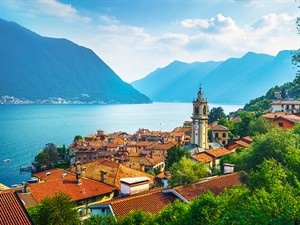
Day 1 — Arrival at the Resort
We checked into a lakeside resort near Lake Como. Our all-inclusive hotel offered beautiful surroundings and luxury accommodation. The service was extremely convenient, and there was live entertainment every evening. The peaceful atmosphere immediately helped us feel relaxing and calm.
Day 2 — Culture and Comfort
In the morning, we enjoyed a spa treatment at the hotel. Later, we joined a guided excursion to Milan, where we visited a famous historic building and an impressive monument. We also explored an art gallery, which is an important cultural attraction in the city.
Day 3 — Local Experiences
In the evening, we attended a traditional Italian festival and learned about a unique local tradition connected to regional music and food. Leisure tourism may not be physically challenging, but it offers a truly relaxing way to experience culture without feeling stressful.
Revise: before we study new words in detail, let's revise what you already know. You studied about nature in form 5. Revise the material here: Nature objects
You covered vocabulary related to holidays and hotels in form 8. Revise here: Types of Holidays and Hotels
Key Vocabulary:
Active Tourism
active — [ˈæktɪv] — involving physical movement and energetic participation; aktīvs
adventure tourism — [ədˈventʃə ˈtʊərɪzəm] — tourism that involves exciting and sometimes risky outdoor activities; piedzīvojumu tūrisms
adventurous — [ədˈventʃərəs] — willing to try new exciting or risky experiences; piedzīvojumu meklējošs, drosmīgs, bezbailīgs, pārdrošs
backpack (also: rucksack) — [ˈbækpæk] — a bag carried on the back especially when travelling or hiking; mugursoma
challenging — [ˈtʃælɪndʒɪŋ] — difficult in an interesting or demanding way; izaicinošs
emergency — [ɪˈmɜːdʒənsi] — a serious unexpected situation requiring immediate action; ārkārtas situācija
equipment — [ɪˈkwɪpmənt] — tools or items needed for a particular activity; aprīkojums
guided expedition — [ˈɡaɪdɪd ˌekspəˈdɪʃən] — an organised journey led by an experienced guide; gida vadīta ekspedīcija
hiking trail — [ˈhaɪkɪŋ treɪl] — a marked path for walking in nature; pārgājienu taka
tent — [tent] — a portable shelter made of fabric used for camping; telts
tiring — [ˈtaɪərɪŋ] — causing physical or mental exhaustion; nogurdinošs
active — [ˈæktɪv] — involving physical movement and energetic participation; aktīvs
adventure tourism — [ədˈventʃə ˈtʊərɪzəm] — tourism that involves exciting and sometimes risky outdoor activities; piedzīvojumu tūrisms
adventurous — [ədˈventʃərəs] — willing to try new exciting or risky experiences; piedzīvojumu meklējošs, drosmīgs, bezbailīgs, pārdrošs
backpack (also: rucksack) — [ˈbækpæk] — a bag carried on the back especially when travelling or hiking; mugursoma
challenging — [ˈtʃælɪndʒɪŋ] — difficult in an interesting or demanding way; izaicinošs
emergency — [ɪˈmɜːdʒənsi] — a serious unexpected situation requiring immediate action; ārkārtas situācija
equipment — [ɪˈkwɪpmənt] — tools or items needed for a particular activity; aprīkojums
guided expedition — [ˈɡaɪdɪd ˌekspəˈdɪʃən] — an organised journey led by an experienced guide; gida vadīta ekspedīcija
hiking trail — [ˈhaɪkɪŋ treɪl] — a marked path for walking in nature; pārgājienu taka
tent — [tent] — a portable shelter made of fabric used for camping; telts
tiring — [ˈtaɪərɪŋ] — causing physical or mental exhaustion; nogurdinošs
Leisure Tourism
all-inclusive hotel — [ɔːl ɪnˈkluːsɪv həʊˈtel] — a hotel where meals drinks and services are included in the price; viesnīca ar pilnu pakalpojumu klāstu
convenient — [kənˈviːniənt] — easy to use or suitable for your needs; ērts
cultural attraction — [ˈkʌltʃərəl əˈtrækʃən] — a place or event that interests visitors because of its cultural value; kultūras objekts
entertainment — [ˌentəˈteɪnmənt] — activities or performances that provide enjoyment; izklaide
festival — [ˈfestɪvəl] — a public celebration with music performances or cultural events; festivāls
gallery — [ˈɡæləri] — a building or space where artworks are displayed; galerija
guided excursion — [ˈɡaɪdɪd ɪkˈskɜːʃən] — a short organised trip led by a guide; gida vadīta ekskursija
historic building — [hɪˈstɒrɪk ˈbɪldɪŋ] — a building that is important because of its history; vēsturiska ēka
leisure tourism — [ˈleʒə ˈtʊərɪzəm] — tourism focused on relaxation and enjoyment; atpūtas tūrisms
local tradition — [ˈləʊkəl trəˈdɪʃən] — customs and practices typical of a particular area; vietējā tradīcija
luxury accommodation — [ˈlʌkʃəri əˌkɒməˈdeɪʃən] — very comfortable and high quality place to stay; luksusa naktsmītne
relaxing — [rɪˈlæksɪŋ] — helping you feel calm and free from stress; relaksējošs
resort — [rɪˈzɔːt] — a place where people go for holidays and relaxation; kūrorts
spa treatment — [spɑː ˈtriːtmənt] — a health or beauty therapy usually involving water or massage; spa procedūra
stressful — [ˈstresfəl] — causing worry or tension; stresains
Practice: now that you have learned the key vocabulary, it is time to use it in practice. Think how you would answer the discussion-type questions, which will help you develop the ability to give longer answers and practise how to express your opinion — just as in an English exam or real conversation. For each question, an answer prompt is available to guide you.
Discussion-Type Questions
Discussion-Type Questions
1. Which type of tourism offers more meaningful experiences: active tourism or leisure tourism?
"In my opinion, both types of tourism can provide meaningful experiences, but in different ways. While active tourism often includes challenging activities such as hiking along a mountain trail or joining a guided expedition, leisure tourism focuses on comfort and relaxation. Active experiences may be tiring and even stressful; however, they often create a strong sense of achievement. Leisure tourism, whereas, allows travellers to enjoy cultural attractions and peaceful surroundings without physical pressure. Although preferences vary from person to person, I believe that meaningful travel depends more on personal expectations than on the type of tourism itself."
"In my opinion, both types of tourism can provide meaningful experiences, but in different ways. While active tourism often includes challenging activities such as hiking along a mountain trail or joining a guided expedition, leisure tourism focuses on comfort and relaxation. Active experiences may be tiring and even stressful; however, they often create a strong sense of achievement. Leisure tourism, whereas, allows travellers to enjoy cultural attractions and peaceful surroundings without physical pressure. Although preferences vary from person to person, I believe that meaningful travel depends more on personal expectations than on the type of tourism itself."
2. What are the main advantages and disadvantages of active tourism?
"Active tourism offers several important benefits. Firstly, it promotes physical activity and encourages travellers to explore nature. Activities such as adventure tourism can strengthen endurance and confidence. Nevertheless, active tourism involves certain risks, including emergencies or unexpected weather conditions. Although it can be rewarding, it may also be physically exhausting. Some travellers enjoy this challenge, though others may find it too demanding. Therefore, careful preparation is essential."
"Active tourism offers several important benefits. Firstly, it promotes physical activity and encourages travellers to explore nature. Activities such as adventure tourism can strengthen endurance and confidence. Nevertheless, active tourism involves certain risks, including emergencies or unexpected weather conditions. Although it can be rewarding, it may also be physically exhausting. Some travellers enjoy this challenge, though others may find it too demanding. Therefore, careful preparation is essential."
3. Why do many people prefer leisure tourism instead of active tourism?
"Many people choose leisure tourism because it provides comfort and convenience. Staying at an all-inclusive hotel or a peaceful resort allows travellers to relax without physical effort. Leisure tourism often includes entertainment, spa treatment, and guided excursions to historic buildings or galleries. Whereas active tourism may require special equipment and physical endurance, leisure tourism offers a more accessible experience. However, this does not mean it is less valuable. For individuals who lead stressful lives, a relaxing holiday may be more beneficial."
"Many people choose leisure tourism because it provides comfort and convenience. Staying at an all-inclusive hotel or a peaceful resort allows travellers to relax without physical effort. Leisure tourism often includes entertainment, spa treatment, and guided excursions to historic buildings or galleries. Whereas active tourism may require special equipment and physical endurance, leisure tourism offers a more accessible experience. However, this does not mean it is less valuable. For individuals who lead stressful lives, a relaxing holiday may be more beneficial."
4. Can tourism be both relaxing and adventurous at the same time?
"Tourism can combine both relaxing and adventurous elements. A traveller might spend the morning hiking along a challenging trail and enjoy a spa treatment in the evening. While the day may begin with physically demanding activities, it can end in peaceful surroundings. This balance creates variety and personal satisfaction. Although active tourism and leisure tourism are often presented as opposites, they can complement each other effectively."
"Tourism can combine both relaxing and adventurous elements. A traveller might spend the morning hiking along a challenging trail and enjoy a spa treatment in the evening. While the day may begin with physically demanding activities, it can end in peaceful surroundings. This balance creates variety and personal satisfaction. Although active tourism and leisure tourism are often presented as opposites, they can complement each other effectively."
5. How does tourism influence personal development?
"Tourism plays an important role in personal development because it exposes individuals to new environments and traditions. Active tourism encourages independence and problem-solving skills, especially in situations involving equipment or emergencies. Leisure tourism, on the other hand, broadens cultural awareness through visits to monuments, festivals, and galleries. Though the experiences differ, both forms of tourism help develop adaptability and self-confidence. Nevertheless, the extent of personal growth depends largely on the traveller’s attitude and willingness to learn."
"Tourism plays an important role in personal development because it exposes individuals to new environments and traditions. Active tourism encourages independence and problem-solving skills, especially in situations involving equipment or emergencies. Leisure tourism, on the other hand, broadens cultural awareness through visits to monuments, festivals, and galleries. Though the experiences differ, both forms of tourism help develop adaptability and self-confidence. Nevertheless, the extent of personal growth depends largely on the traveller’s attitude and willingness to learn."
Revise linking words that you studied earlier. They help to build your speech or a written text easier to follow: Building Coherent Texts: Opinions, Facts, and Order