

How well do you know your own country? Discover how local tourism across Latvia’s four regions offers meaningful cultural experiences and responsible travel opportunities.
Vidzeme — Cēsis and Sigulda
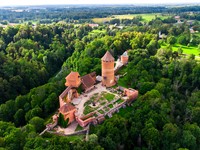
Vidzeme is a key region for domestic tourism, especially for a weekend getaway in Cēsis or Sigulda. Visitors often book accommodation in a guesthouse or small apartment in Cēsis Old Town to explore the area around the medieval Cēsis Castle, an important historical site built by the Livonian Order in the 13th century. In Sigulda, travellers visit Turaida Castle, part of Latvia’s rich cultural heritage. Many tourists enjoy traditional local food such as grey peas with bacon and rye bread from Vidzeme bakeries. Travelling within the region helps reduce travel time and encourages people to discover new places close to home.
Kurzeme — Kuldīga and Liepāja
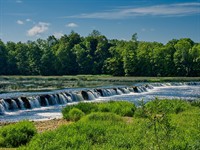
Kurzeme offers a unique local destination experience. In Kuldīga, visitors see Ventas Rumba, the widest waterfall in Europe, and visit a craft market selling handmade ceramics and linen textiles. The town preserves wooden architecture that forms part of Latvia’s cultural heritage. In Liepāja, travellers may choose a campsite near the Baltic Sea or a bed-and-breakfast in the city centre. During summer, people attend the Summer Sound music festival, a well-known traditional event in the region. Tourists often meet local people and learn about fishing traditions and coastal local customs. Choosing to support local businesses in Kurzeme helps promote tourism in western Latvia.
Zemgale — Jelgava and Bauska
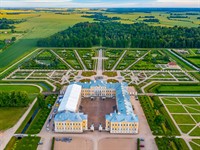
Zemgale is known for its historical architecture and agricultural traditions. Many travellers recommend a place such as Rundāle Palace, a famous historical site built in the 18th century by architect Bartolomeo Rastrelli. In Jelgava, visitors can explore the area around Jelgava Palace and attend regional harvest celebrations, which are important traditional events reflecting farming local customs. Tourists often taste local food such as honey products and traditional caraway cheese from Zemgale farms. Choosing domestic tourism in this region encourages visitors to protect nature by supporting sustainable rural tourism.
Latgale — Aglona and Rēzekne
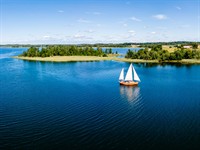
Latgale has a strong regional identity and religious traditions. A visit to Aglona Basilica, a major Catholic pilgrimage centre, is an important cultural heritage experience and a significant historical site in Latvia. Many travellers choose a staycation in Latgale and book accommodation in rural farm guesthouses near lakes such as Lake Rāzna. Visitors often meet local people during the Assumption Day pilgrimage in August, one of the most important traditional events in the region. Travellers taste local food such as Latgalian clay-oven bread and potato dumplings known as "buļbešņiki". By travelling locally, tourists help support local businesses and strengthen domestic tourism in eastern Latvia.
Key vocabulary:
apartment — [əˈpɑːtmənt] — a set of rooms for living usually in a larger building; dzīvoklis
architecture — [ˈɑː.kɪ.tek.tʃər] — the art and practice of designing and making buildings; arhitektūra, celtniecība
bed-and-breakfast (abbreviation B and B); (B & B)— [ˌbed ən ˈbrek.fəst] — a small place to stay that provides a room and morning meal; viesu nams ar brokastīm
book accommodation — [bʊk əˌkɒməˈdeɪʃən] — to reserve a place to stay iepriekš; rezervēt naktsmītni
campsite — [ˈkæmpsaɪt] — an area where people can stay in tents or caravans; kempings
bed-and-breakfast (abbreviation B and B); (B & B)— [ˌbed ən ˈbrek.fəst] — a small place to stay that provides a room and morning meal; viesu nams ar brokastīm
book accommodation — [bʊk əˌkɒməˈdeɪʃən] — to reserve a place to stay iepriekš; rezervēt naktsmītni
campsite — [ˈkæmpsaɪt] — an area where people can stay in tents or caravans; kempings
ceramics — [səˈræm.ɪks] — the art of making objects by shaping pieces of clay and then baking them until they are hard; keramika, keramikas izstrādājumi
craft market — [krɑːft ˈmɑːkɪt] — a market where handmade products are sold; amatnieku tirgus
cultural heritage — [ˈkʌltʃərəl ˈherɪtɪdʒ] — traditions buildings and objects that represent a country’s history; kultūras mantojums
discover new places — [dɪˈskʌvə njuː ˈpleɪsɪz] — to find and explore locations for the first time; atklāt jaunas vietas
domestic tourism — [dəˈmestɪk ˈtʊərɪzəm] — tourism within one’s own country; vietējais tūrisms
explore the area — [ɪkˈsplɔː ði ˈeəriə] — to travel around and learn more about a place; izpētīt apkārtni
guesthouse — [ˈɡesthaʊs] — a small house offering accommodation for visitors; viesu nams
cultural heritage — [ˈkʌltʃərəl ˈherɪtɪdʒ] — traditions buildings and objects that represent a country’s history; kultūras mantojums
discover new places — [dɪˈskʌvə njuː ˈpleɪsɪz] — to find and explore locations for the first time; atklāt jaunas vietas
domestic tourism — [dəˈmestɪk ˈtʊərɪzəm] — tourism within one’s own country; vietējais tūrisms
explore the area — [ɪkˈsplɔː ði ˈeəriə] — to travel around and learn more about a place; izpētīt apkārtni
guesthouse — [ˈɡesthaʊs] — a small house offering accommodation for visitors; viesu nams
handmade — [ˌhændˈmeɪd] — made using the hands rather than a machine; rokām darināts
historical site — [hɪˈstɒrɪkəl saɪt] — a place important because of historical events; vēsturiska vieta
local customs — [ˈləʊkəl ˈkʌstəmz] — traditional behaviour and practices of a community; vietējās paražas
local destination — [ˈləʊkəl ˌdestɪˈneɪʃən] — a place within your own country that people travel to; vietējais galamērķis
local food — [ˈləʊkəl fuːd dishes] — and products typical of a specific area; vietējais ēdiens
promote tourism — [prəˈməʊt ˈtʊərɪzəm] — to encourage people to visit a place; veicināt tūrismu
protect nature — [prəˈtekt ˈneɪtʃə] — to take care of the natural environment; aizsargāt dabu
recommend a place — [ˌrekəˈmend ə pleɪs] — to suggest a location to others; ieteikt vietu
reduce travel time — [rɪˈdjuːs ˈtrævəl taɪm] — to make the duration of a journey shorter; samazināt ceļošanas laiku
staycation — [steɪˈkeɪʃən] — a holiday spent in your own country or near your home; atvaļinājums, brīvdienas savā valstī
support local businesses — [səˈpɔːt ˈləʊkəl ˈbɪznɪsɪz] — to help companies in your area by buying their products or services; atbalstīt vietējos uzņēmumus
local customs — [ˈləʊkəl ˈkʌstəmz] — traditional behaviour and practices of a community; vietējās paražas
local destination — [ˈləʊkəl ˌdestɪˈneɪʃən] — a place within your own country that people travel to; vietējais galamērķis
local food — [ˈləʊkəl fuːd dishes] — and products typical of a specific area; vietējais ēdiens
promote tourism — [prəˈməʊt ˈtʊərɪzəm] — to encourage people to visit a place; veicināt tūrismu
protect nature — [prəˈtekt ˈneɪtʃə] — to take care of the natural environment; aizsargāt dabu
recommend a place — [ˌrekəˈmend ə pleɪs] — to suggest a location to others; ieteikt vietu
reduce travel time — [rɪˈdjuːs ˈtrævəl taɪm] — to make the duration of a journey shorter; samazināt ceļošanas laiku
staycation — [steɪˈkeɪʃən] — a holiday spent in your own country or near your home; atvaļinājums, brīvdienas savā valstī
support local businesses — [səˈpɔːt ˈləʊkəl ˈbɪznɪsɪz] — to help companies in your area by buying their products or services; atbalstīt vietējos uzņēmumus
textile — [ˈtek.staɪl] — a cloth made by hand or machine; audumi, tekstilpreces, tekstilmateriāls
traditional event — [trəˈdɪʃənəl ɪˈvent] — a celebration or activity connected to long established customs; uz tradīcijām balstīts pasākums, notikums
weekend getaway — [ˌwiːkend ˈɡetəweɪ] — a short holiday taken at the end of the week; nedēļas nogales izbrauciens
weekend getaway — [ˌwiːkend ˈɡetəweɪ] — a short holiday taken at the end of the week; nedēļas nogales izbrauciens
Practice: now that you have learned the key vocabulary, it is time to use it in practice. Think how you would answer the discussion-type questions, which will help you develop the ability to give longer answers and practise how to express your opinion — just as in an English exam or real conversation. For each question, an answer prompt is available to guide you.
1. Why is domestic tourism vital for a country?
"In my opinion, domestic tourism plays a crucial role in strengthening both the economy and cultural identity of a country. Firstly, when travellers choose a staycation or a weekend getaway within their own country, they help support local businesses such as guesthouses, craft markets, and family farms. Moreover, visiting historical sites and learning about cultural heritage encourages national pride. On the other hand, some people believe that international tourism brings greater economic profit. However, domestic tourism ensures that financial benefits remain within local communities. For this reason, I strongly believe it is essential for long-term regional development."
2. How does local tourism contribute to sustainable development?
"From my perspective, local tourism is closely connected to sustainability. Firstly, travelling shorter distances helps reduce travel time and lowers environmental impact. In addition, visitors who protect nature and respect local customs contribute to the preservation of natural and cultural resources. Furthermore, supporting local businesses strengthens rural communities and reduces economic imbalance between regions. Although domestic tourism may not eliminate environmental concerns completely, it is generally more sustainable than long-distance travel. Therefore, it can be considered a responsible travel option."
3. What are the advantages and disadvantages of a staycation?
"I believe that a staycation offers several practical advantages. For example, travellers can book accommodation easily and avoid the stress associated with airports and long flights. As a result, they save time and money. Nevertheless, some people argue that staying within one’s own country may feel less exciting than travelling abroad. While international travel provides exposure to different cultures, domestic tourism allows travellers to discover new places they may have previously overlooked. Overall, I would argue that the benefits often outweigh the disadvantages."
4. How can cultural heritage attract local tourists?
"It seems to me that cultural heritage is one of the strongest motivations for domestic travel. Visiting a historical site, attending a traditional event, or exploring a craft market enables travellers to connect with local customs and traditions. In addition, traditional food and community celebrations create memorable experiences. Whereas modern attractions may attract short-term interest, cultural heritage provides deeper educational value. Consequently, promoting tourism through historical and cultural experiences can significantly increase domestic travel."
5. In what ways can individuals promote tourism in their region?
"In my view, individuals play an important role in promoting tourism. Firstly, they can recommend a place to friends or share positive experiences online. Moreover, choosing domestic tourism options and supporting local businesses contributes directly to regional growth. Even though large marketing campaigns are organised by governments, personal recommendations often have a stronger impact. Therefore, small individual actions can meaningfully promote tourism and encourage sustainable development."
"In my opinion, domestic tourism plays a crucial role in strengthening both the economy and cultural identity of a country. Firstly, when travellers choose a staycation or a weekend getaway within their own country, they help support local businesses such as guesthouses, craft markets, and family farms. Moreover, visiting historical sites and learning about cultural heritage encourages national pride. On the other hand, some people believe that international tourism brings greater economic profit. However, domestic tourism ensures that financial benefits remain within local communities. For this reason, I strongly believe it is essential for long-term regional development."
2. How does local tourism contribute to sustainable development?
"From my perspective, local tourism is closely connected to sustainability. Firstly, travelling shorter distances helps reduce travel time and lowers environmental impact. In addition, visitors who protect nature and respect local customs contribute to the preservation of natural and cultural resources. Furthermore, supporting local businesses strengthens rural communities and reduces economic imbalance between regions. Although domestic tourism may not eliminate environmental concerns completely, it is generally more sustainable than long-distance travel. Therefore, it can be considered a responsible travel option."
3. What are the advantages and disadvantages of a staycation?
"I believe that a staycation offers several practical advantages. For example, travellers can book accommodation easily and avoid the stress associated with airports and long flights. As a result, they save time and money. Nevertheless, some people argue that staying within one’s own country may feel less exciting than travelling abroad. While international travel provides exposure to different cultures, domestic tourism allows travellers to discover new places they may have previously overlooked. Overall, I would argue that the benefits often outweigh the disadvantages."
4. How can cultural heritage attract local tourists?
"It seems to me that cultural heritage is one of the strongest motivations for domestic travel. Visiting a historical site, attending a traditional event, or exploring a craft market enables travellers to connect with local customs and traditions. In addition, traditional food and community celebrations create memorable experiences. Whereas modern attractions may attract short-term interest, cultural heritage provides deeper educational value. Consequently, promoting tourism through historical and cultural experiences can significantly increase domestic travel."
5. In what ways can individuals promote tourism in their region?
"In my view, individuals play an important role in promoting tourism. Firstly, they can recommend a place to friends or share positive experiences online. Moreover, choosing domestic tourism options and supporting local businesses contributes directly to regional growth. Even though large marketing campaigns are organised by governments, personal recommendations often have a stronger impact. Therefore, small individual actions can meaningfully promote tourism and encourage sustainable development."