

Cheap operation. Guaranteed results. Luxury clinic. Sounds perfect… or does it? Medical tourism can improve wellness but it can also involve scams and malpractice. Read and / or listen to the posts. Which experiences seem reliable? Which raise warning signs?
Medical Tourism Patient Testimonial Carousel
Medical Tourism Patient Testimonial Carousel
Post 1 — Anna, 34 (Cosmetic Surgery)
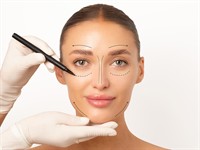
I travelled to a private clinic in Turkey for cosmetic surgery. I couldn’t afford the operation in my country, so this was my best option. The clinic looked modern and professional, and the staff were very reliable. The result was excellent, and my well-being has improved a lot. I felt safe during the whole healthcare process.
Post 2 — Mark, 52 (Heart Operation)

I had a serious heart condition and needed an operation quickly. The health centre abroad offered fast treatment. However, after the surgery, I experienced complications. Communication was difficult, and I’m not sure the post-operation care was fully professional. The result was not as positive as I expected.
Post 3 — Elena, 27 (Dental Treatment)

I visited a clinic in Poland for dental treatment. The price was affordable and the healthcare service was efficient. The staff explained my condition clearly. Everything felt reliable and organised. For me, medical tourism improved my wellness and saved money.
Post 4 — Maya, 21 (Orthopaedic Surgery)
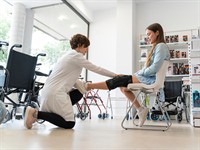
My knee operation abroad was cheaper than at home. But later I discovered signs of malpractice. The doctor was not fully qualified, and follow-up care was limited. Now I need another operation. I wish I had checked the private clinic more carefully.
Scam Warning Post — Online Advertisement

“Luxury cosmetic surgery package! 80% discount! Guaranteed perfect results! No consultation needed! Pay today!”
Be careful. If a private clinic promises guaranteed results and extremely low prices without medical evaluation, it may be a scam. Always check professional qualifications and healthcare regulations.
Doctor Interview — Dr. Petrova

Medical tourism can be safe if patients choose a reliable health centre. Always research the clinic’s reputation and the doctor’s professional background. Complications can happen after any operation. Responsible healthcare includes consultation, follow-up care, and realistic expectations about results and long-term well-being.
Revise: before we study new words in detail, let's revise what you already know. You studied about health and lifestyle earlier in form 10. Revise the material here: Health and Lifestyle
Key vocabulary:
afford — [əˈfɔːd] — to have enough money to pay for something; varēt, atļauties
clinic — [ˈklɪnɪk] — a place where people receive medical treatment or advice; klīnika
condition — [kənˈdɪʃən] — a particular state of health or illness; (veselības) stāvoklis
cosmetic surgery — [kɒzˈmetɪk ˈsɜːdʒəri] — medical surgery performed to improve a person’s appearance; kosmētiskā ķirurģija
health centre — [ˈhelθ ˌsentə] — a local medical facility providing general healthcare services; veselības centrs
healthcare — [ˈhelθkeə] — the system and services for maintaining and improving people’s health; veselības aprūpe
malpractice — [ˌmælˈpræktɪs] — professional wrongdoing or improper medical treatment that causes harm; nelikumīga vai nolaidīga profesionālā darbība
operation — [ˌɒpəˈreɪʃən] — a medical procedure in which a doctor performs surgery; operācija
patient — [ˈpeɪʃənt] — a person who receives medical treatment or care; pacients
private clinic — [ˈpraɪvət ˈklɪnɪk] — a medical facility owned and run independently that provides healthcare services for payment; privātā klīnika
professional — [prəˈfeʃənəl] — a person with special education and training in a specific field; profesionālis, profesionāls
reliable — [rɪˈlaɪəbəl] — able to be trusted or depended on; uzticams
result — [rɪˈzʌlt] — the outcome or effect of an action or treatment; rezultāts
scam — [skæm] — a dishonest plan intended to trick people in order to get money; krāpšana
well-being — [ˌwel ˈbiːɪŋ] — the state of being comfortable healthy and happy; labklājība
wellness — [ˈwelnəs] — the state of being healthy especially through active lifestyle choices; labsajūta
clinic — [ˈklɪnɪk] — a place where people receive medical treatment or advice; klīnika
condition — [kənˈdɪʃən] — a particular state of health or illness; (veselības) stāvoklis
cosmetic surgery — [kɒzˈmetɪk ˈsɜːdʒəri] — medical surgery performed to improve a person’s appearance; kosmētiskā ķirurģija
health centre — [ˈhelθ ˌsentə] — a local medical facility providing general healthcare services; veselības centrs
healthcare — [ˈhelθkeə] — the system and services for maintaining and improving people’s health; veselības aprūpe
malpractice — [ˌmælˈpræktɪs] — professional wrongdoing or improper medical treatment that causes harm; nelikumīga vai nolaidīga profesionālā darbība
operation — [ˌɒpəˈreɪʃən] — a medical procedure in which a doctor performs surgery; operācija
patient — [ˈpeɪʃənt] — a person who receives medical treatment or care; pacients
private clinic — [ˈpraɪvət ˈklɪnɪk] — a medical facility owned and run independently that provides healthcare services for payment; privātā klīnika
professional — [prəˈfeʃənəl] — a person with special education and training in a specific field; profesionālis, profesionāls
reliable — [rɪˈlaɪəbəl] — able to be trusted or depended on; uzticams
result — [rɪˈzʌlt] — the outcome or effect of an action or treatment; rezultāts
scam — [skæm] — a dishonest plan intended to trick people in order to get money; krāpšana
well-being — [ˌwel ˈbiːɪŋ] — the state of being comfortable healthy and happy; labklājība
wellness — [ˈwelnəs] — the state of being healthy especially through active lifestyle choices; labsajūta
Practice: now that you have learned the key vocabulary, it is time to use it in practice. Think how you would answer the discussion-type questions, which will help you develop the ability to give longer answers and practise how to express your opinion — just as in an English exam or real conversation. For each question, an answer prompt is available to guide you.
Discussion-Type Questions
1. To what extent does medical tourism improve access to healthcare?
"Medical tourism can significantly improve access to healthcare, particularly for patients who face long waiting lists or high treatment costs in their home country. By travelling abroad, patients may receive faster operations and specialised care in private clinics. In addition, lower prices may make treatment more affordable. However, improved access does not automatically guarantee quality. Patients must carefully evaluate whether the healthcare provider is reliable and professionally qualified. Overall, while medical tourism can expand access, it requires responsible decision-making to ensure safe and positive results."
"Medical tourism can significantly improve access to healthcare, particularly for patients who face long waiting lists or high treatment costs in their home country. By travelling abroad, patients may receive faster operations and specialised care in private clinics. In addition, lower prices may make treatment more affordable. However, improved access does not automatically guarantee quality. Patients must carefully evaluate whether the healthcare provider is reliable and professionally qualified. Overall, while medical tourism can expand access, it requires responsible decision-making to ensure safe and positive results."
2. What are the main risks associated with medical tourism?
"There are several important risks that patients should consider before seeking treatment abroad. Firstly, not all health centres operate under the same professional standards, which may increase the risk of malpractice. Secondly, communication barriers can affect the quality of consultation and post-operation care. Furthermore, follow-up treatment may be difficult once the patient returns home. Although many clinics provide high-quality healthcare services, insufficient research may lead to negative results. Therefore, careful preparation is essential to reduce potential complications."
"There are several important risks that patients should consider before seeking treatment abroad. Firstly, not all health centres operate under the same professional standards, which may increase the risk of malpractice. Secondly, communication barriers can affect the quality of consultation and post-operation care. Furthermore, follow-up treatment may be difficult once the patient returns home. Although many clinics provide high-quality healthcare services, insufficient research may lead to negative results. Therefore, careful preparation is essential to reduce potential complications."
3. Should medical tourism be strictly regulated?
"In my view, stricter regulation of medical tourism would help protect patients from unreliable providers and scams. Clear international standards could ensure that private clinics meet professional healthcare requirements. At the same time, excessive regulation might limit patient choice and increase costs. A balanced approach would involve transparency, verified qualifications, and cooperation between countries. Ultimately, regulation should aim to improve patient safety while maintaining access to affordable treatment."
"In my view, stricter regulation of medical tourism would help protect patients from unreliable providers and scams. Clear international standards could ensure that private clinics meet professional healthcare requirements. At the same time, excessive regulation might limit patient choice and increase costs. A balanced approach would involve transparency, verified qualifications, and cooperation between countries. Ultimately, regulation should aim to improve patient safety while maintaining access to affordable treatment."
4. Is affordability more important than quality in medical tourism decisions?
"Although affordability is often the main motivation for travelling abroad for treatment, quality should remain the primary concern. Patients may choose a clinic because they cannot afford an operation at home; however, low prices may sometimes indicate limited professional standards. If the result of surgery leads to complications, the long-term costs may be even higher. Therefore, financial considerations should be carefully balanced with the clinic’s reliability, reputation, and healthcare outcomes."
"Although affordability is often the main motivation for travelling abroad for treatment, quality should remain the primary concern. Patients may choose a clinic because they cannot afford an operation at home; however, low prices may sometimes indicate limited professional standards. If the result of surgery leads to complications, the long-term costs may be even higher. Therefore, financial considerations should be carefully balanced with the clinic’s reliability, reputation, and healthcare outcomes."
5. How can patients make responsible decisions about medical tourism?
"Patients can make responsible decisions by conducting thorough research before selecting a clinic. This includes verifying professional qualifications, reviewing patient feedback, and understanding possible risks related to their medical condition. It is also important to ensure that follow-up care is available after the operation. By taking these precautions, patients reduce the likelihood of malpractice and increase the chances of achieving positive results. Informed decision-making is essential for protecting one’s health and well-being."
"Patients can make responsible decisions by conducting thorough research before selecting a clinic. This includes verifying professional qualifications, reviewing patient feedback, and understanding possible risks related to their medical condition. It is also important to ensure that follow-up care is available after the operation. By taking these precautions, patients reduce the likelihood of malpractice and increase the chances of achieving positive results. Informed decision-making is essential for protecting one’s health and well-being."