

People immigrate for many reasons — education, work, family, or safety. When cultures meet, people may think, speak, and behave differently.
How can we help others feel welcome?
How can we show tolerance?
How can we communicate respectfully?
In this unit, you will learn the vocabulary that helps people build understanding across cultures.
How can we help others feel welcome?
How can we show tolerance?
How can we communicate respectfully?
In this unit, you will learn the vocabulary that helps people build understanding across cultures.
Word bank:
1. Basics

accept people — [əkˈsept ˈpiːpl] — to treat others kindly even if they are different; pieņemt cilvēkus
When we accept people, everyone feels more comfortable and confident.

different background — [ˈdɪfrənt ˈbækɡraʊnd] — different culture, experience, or way of life; atšķirīga izcelsme
Students from different backgrounds can learn a lot from each other.

feel welcome — [fiːl ˈwelkəm] — to feel accepted and comfortable in a new place; justies gaidītam
It is important that everyone feels welcome in school.
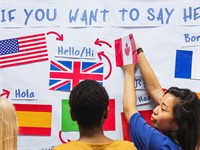
learn about cultures — [lɜːn əˈbaʊt ˈkʌltʃəz] — to discover traditions and ways of life of other people; uzzināt/mācīties par citām kultūrām
Learning about cultures helps people become more open-minded.

new environment — [njuː ɪnˈvaɪrənmənt] — a place that is different from what a person is used to; jauna vide
Moving to another country often means adapting to a new environment.

respect others — [rɪˈspekt ˈʌðəz] — to be polite and considerate towards other people; cienīt citus
People should respect others even if they have different opinions.

traditional food — [trəˈdɪʃənəl fuːd] — food that is typical for a particular culture; tradicionālais ēdiens
Families often prepare traditional food during important celebrations.
2. Language

accent — [ˈæksent] — the way someone pronounces words, showing where they come from; akcents
He speaks with an accent as French is not his native language.
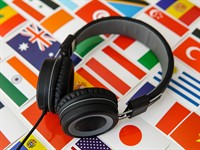
foreign language — [ˈfɒrən ˈlæŋɡwɪdʒ] — a language that is not your native language; svešvaloda
Learning a foreign language helps people communicate with others around the world.

native — [ˈneɪtɪv] — relating to the country or language someone was born in; vietējais iedzīvotājs, dzimtais/ā-
He speaks English very fluently because it is his native language.

pronunciation — [prəˌnʌnsiˈeɪʃən] — the way words are spoken; izruna
Good pronunciation helps listeners understand the speaker.
3. Documentation

application form — [ˌæplɪˈkeɪʃən fɔːm] — a document that you complete to request something officially; pieteikuma forma
People complete an application form to study or work abroad.

document — [ˈdɒkjʊmənt] — an official paper that gives information; dokuments
Documents are required when travelling, working or studying abroad.
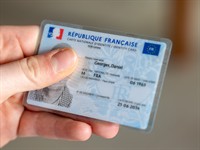
identity card (ID) — [aɪˈdentəti kɑːd] — an official card that shows who you are; personas apliecība
He showed his identity card at the airport.
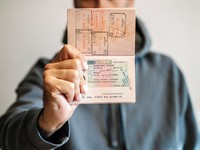
visa — [ˈviːzə] — an official permission to enter or stay in a country; vīza
Travellers might need a visa before entering another country.
4. Ways to greet someone

bow — [baʊ] — to move your head or body forward to show respect or greeting; paklanīties
In Japan, students bow to their teacher at the beginning of the lesson to show respect.

greet people — [ɡriːt ˈpiːpl] — to say hello in a polite or friendly way; sasveicināties
In small towns, it is common to greet people with a smile when walking in the street.

hug — [hʌɡ] — to put your arms around someone to show friendliness or affection; apskaut, apskāviens
Close friends often hug when they meet after a long time.

kiss on the cheek — [kɪs ɒn ðə tʃiːk] — a friendly way to greet someone by lightly touching their cheek with your lips; used in some cultures to show politeness or warmth; skūpsts/buča uz vaiga
In many European countries, people greet close friends with a kiss on the cheek to show friendliness and respect.

shake hands — [ʃeɪk hændz] — to hold and move someone’s hand as a greeting; paspiest roku (sasveicinoties)
Before the meeting began, everyone shook hands and introduced themselves.

wave — [weɪv] — to move your hand from side to side as a greeting; pamāt ar roku
She waved to her neighbour from across the street.
Atsauce:
Picture “France identity card”: Pixavril / Shutterstock.com