

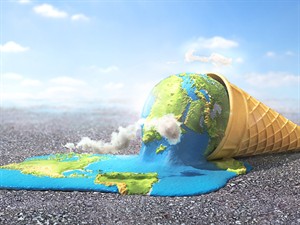
For decades, scientists have warned that the Earth is beginning to heat up faster than before. Now, the signs are becoming harder to ignore. From melting ice in the Arctic to stronger storms and rising seas, climate change is no longer a distant problem. It is already affecting the environment, local communities and the natural world.
One of the clearest signs is Arctic shrinkage. Each year, large areas of sea ice become thinner or disappear earlier than expected. This change affects the Arctic ecosystem, including animals that depend on ice to hunt, rest or travel. It also shows how changes in one part of the planet can influence the wider climate.
Scientists say the main cause is the growing amount of greenhouse gases in the atmosphere. Much of it comes from burning fossil fuel, such as coal, gas and oil, for transport, heating and industry. These gases trap heat, making the greenhouse effect stronger than it should be. As a result, global temperatures continue to rise.
The effects are already visible. Many countries report more extreme weather, including heatwaves, floods, storms and longer dry periods. In some places, rainfall patterns increase suddenly, while other regions face serious drought. When people, animals and buildings cannot cope, extreme weather can turn into a natural disaster. During long periods of heat, people may overheat, especially in crowded cities or poorly cooled homes.
The oceans are also changing. As ice melts and water becomes warmer, sea level continues to rise. Coastal towns, small islands and low-lying areas face a greater risk of flooding. At the same time, pollution puts extra pressure on rivers, forests, oceans and wildlife. Experts warn that the loss of biodiversity could make many ecosystems weaker and less able to recover from climate shocks.
However, this is not only about danger. Around the world, more countries are discussing mitigation and setting targets for net zero. Many governments are investing in renewable energy, especially solar power and wind power. Some communities are also using biofuel as an alternative source of fuel, although experts say it must be produced carefully and responsibly.
Ordinary people can also play a part. Using less electricity, choosing public transport, repairing items instead of replacing them and avoiding actions that waste energy can all help reduce pressure on the planet. These changes may seem small, but when many people make them, the effect can be much larger.
Climate experts say the message is clear: the climate crisis is serious, but it is not hopeless. If governments, businesses and individuals act together, the world can reduce emissions, protect biodiversity and build safer communities for the future.
One of the clearest signs is Arctic shrinkage. Each year, large areas of sea ice become thinner or disappear earlier than expected. This change affects the Arctic ecosystem, including animals that depend on ice to hunt, rest or travel. It also shows how changes in one part of the planet can influence the wider climate.
Scientists say the main cause is the growing amount of greenhouse gases in the atmosphere. Much of it comes from burning fossil fuel, such as coal, gas and oil, for transport, heating and industry. These gases trap heat, making the greenhouse effect stronger than it should be. As a result, global temperatures continue to rise.
The effects are already visible. Many countries report more extreme weather, including heatwaves, floods, storms and longer dry periods. In some places, rainfall patterns increase suddenly, while other regions face serious drought. When people, animals and buildings cannot cope, extreme weather can turn into a natural disaster. During long periods of heat, people may overheat, especially in crowded cities or poorly cooled homes.
The oceans are also changing. As ice melts and water becomes warmer, sea level continues to rise. Coastal towns, small islands and low-lying areas face a greater risk of flooding. At the same time, pollution puts extra pressure on rivers, forests, oceans and wildlife. Experts warn that the loss of biodiversity could make many ecosystems weaker and less able to recover from climate shocks.
However, this is not only about danger. Around the world, more countries are discussing mitigation and setting targets for net zero. Many governments are investing in renewable energy, especially solar power and wind power. Some communities are also using biofuel as an alternative source of fuel, although experts say it must be produced carefully and responsibly.
Ordinary people can also play a part. Using less electricity, choosing public transport, repairing items instead of replacing them and avoiding actions that waste energy can all help reduce pressure on the planet. These changes may seem small, but when many people make them, the effect can be much larger.
Climate experts say the message is clear: the climate crisis is serious, but it is not hopeless. If governments, businesses and individuals act together, the world can reduce emissions, protect biodiversity and build safer communities for the future.
Key vocabulary:
Arctic shrinkage — [ˈɑːk.tɪk ˈʃrɪŋ.kɪdʒ] — a reduction in the extent of Arctic sea-ice believed to be a result of global warming; Arktikas ledus platības samazināšanās
atmosphere — [ˈæt.mə.sfɪər] — the layer of gases around the Earth; atmosfēra
biodiversity — [ˌbaɪ.əʊ.daɪˈvɜː.sə.ti] — the variety of life forms that are found in a particular area, including the different species of plants, animals and microorganisms; bioloģiskā daudzveidība
biofuel — [ˈbaɪ.əʊˌfjuː.əl] — fuel that comes from plant material or animal waste. As they are derived from living matter, biofuels are considered to be renewable sources of energy; biodegviela
climate — [ˈklaɪmət] — the weather conditions prevailing in a particular place or area over a long period of time; klimats
climate change — [ˈklaɪmət tʃeɪndʒ] — long-term changes in the Earth’s weather patterns, especially caused by human activity; klimata pārmaiņas
climate crisis — [ˈklaɪ.mət ˌkraɪ.sɪs] — serious problems that are being caused or likely to be caused by changes in the world's weather, in particular the world getting warmer as a result of human activity increasing the level of carbon dioxide in the atmosphere; klimata krīze
ecosystem — [ˈiː.kəʊˌsɪs.təm] — a community of plants, animals and other organisms and the environment in which they interact; ekosistēma
environment — [ɪnˈvaɪ.rə.mənt] — the air, water, and land in or on which people, animals, and plants live; apkārtne, apkārtējā vide
extreme weather — [ɪkˈstriːm ˈweð.ər] — very unusual or dangerous weather, such as heatwaves, storms or floods; ekstremāli laikapstākļi
fossil fuel — [ˈfɒs.əl ˌfjʊəl] — fuel such as coal, oil or gas, formed from ancient plants and animals; fosilais kurināmais
fuel — [ˈfjuː.əl] — a substance that is used to provide heat or power, usually by being burned; kurināmais, degviela
greenhouse gas — [ˌɡriːn.haʊs ˈɡæs] — a gas that traps heat in the Earth’s atmosphere; siltumnīcefekta gāze
heat up — [hiːt ʌp] — to become warmer or hotter; sasilt, kļūt karstākam
increase — [ɪnˈkriːs] — to become larger in amount, number or level; palielināties, pieaugt
mitigation — [ˌmɪt.ɪˈɡeɪ.ʃən] — steps taken to reduce greenhouse gas emissions in an effort to slow or prevent climate change; seku mazināšana
natural disaster — [ˌnætʃ.ər.əl dɪˈzɑː.stər] — a natural event such as a flood, earthquake, or tsunami that kills or injures a lot of people; stihiska nelaime,dabas katastrofa
net zero — [ˌnet ˈzɪə.rəʊ] — the reduction in greenhouse gas emissions to as close to zero as possible; klimatneitralitāte, neto nulles emisijas
oil — [ɔɪl] — a thick liquid fuel from the ground used for energy and transport; nafta, naftas produkts
overheat — [ˌəʊ.vəˈhiːt] — to become too hot; pārkarst
pollution — [pəˈluː.ʃən] — damage caused to air, water or land by harmful substances; piesārņojums
renewable energy — [rɪˌnjuː.ə.bəl ˈen.ə.dʒi] — energy from sources that do not run out, such as wind, sun or water; atjaunojamā enerģija
rise — [raɪz] — to go up or become higher; paaugstināties, celties
sea level — [ˈsiː ˌlev.əl] — the average height of the sea; jūras līmenis
solar power — [ˌsəʊ.lə ˈpaʊər] — energy produced from sunlight; saules enerģija
the greenhouse effect — [ˈɡriːn.haʊs ɪˌfekt] — the process in which gases keep heat in the Earth’s atmosphere; siltumnīcas efekts, siltumnīcefekts
trap heat — [træp hiːt] — to keep heat in one place and stop it from escaping; aizturēt siltumu
waste energy — [weɪst ˈen.ə.dʒi] — to use energy carelessly or unnecessarily; izšķērdēt enerģiju
wind power — [ˈwɪnd ˌpaʊ.ər] — energy produced from wind; vēja enerģija
atmosphere — [ˈæt.mə.sfɪər] — the layer of gases around the Earth; atmosfēra
biodiversity — [ˌbaɪ.əʊ.daɪˈvɜː.sə.ti] — the variety of life forms that are found in a particular area, including the different species of plants, animals and microorganisms; bioloģiskā daudzveidība
biofuel — [ˈbaɪ.əʊˌfjuː.əl] — fuel that comes from plant material or animal waste. As they are derived from living matter, biofuels are considered to be renewable sources of energy; biodegviela
climate — [ˈklaɪmət] — the weather conditions prevailing in a particular place or area over a long period of time; klimats
Vocabulary note: climate versus weather
Weather refers to atmospheric conditions in the short term, such as changes in temperature, humidity, cloudiness, brightness, rain and snow, wind, and visibility. While the weather is always changing, from week to week or even from day to day, climate is the average of weather patterns over a much longer period, usually measured in decades or centuries.
Weather refers to atmospheric conditions in the short term, such as changes in temperature, humidity, cloudiness, brightness, rain and snow, wind, and visibility. While the weather is always changing, from week to week or even from day to day, climate is the average of weather patterns over a much longer period, usually measured in decades or centuries.
climate crisis — [ˈklaɪ.mət ˌkraɪ.sɪs] — serious problems that are being caused or likely to be caused by changes in the world's weather, in particular the world getting warmer as a result of human activity increasing the level of carbon dioxide in the atmosphere; klimata krīze
ecosystem — [ˈiː.kəʊˌsɪs.təm] — a community of plants, animals and other organisms and the environment in which they interact; ekosistēma
environment — [ɪnˈvaɪ.rə.mənt] — the air, water, and land in or on which people, animals, and plants live; apkārtne, apkārtējā vide
extreme weather — [ɪkˈstriːm ˈweð.ər] — very unusual or dangerous weather, such as heatwaves, storms or floods; ekstremāli laikapstākļi
fossil fuel — [ˈfɒs.əl ˌfjʊəl] — fuel such as coal, oil or gas, formed from ancient plants and animals; fosilais kurināmais
fuel — [ˈfjuː.əl] — a substance that is used to provide heat or power, usually by being burned; kurināmais, degviela
greenhouse gas — [ˌɡriːn.haʊs ˈɡæs] — a gas that traps heat in the Earth’s atmosphere; siltumnīcefekta gāze
heat up — [hiːt ʌp] — to become warmer or hotter; sasilt, kļūt karstākam
increase — [ɪnˈkriːs] — to become larger in amount, number or level; palielināties, pieaugt
mitigation — [ˌmɪt.ɪˈɡeɪ.ʃən] — steps taken to reduce greenhouse gas emissions in an effort to slow or prevent climate change; seku mazināšana
natural disaster — [ˌnætʃ.ər.əl dɪˈzɑː.stər] — a natural event such as a flood, earthquake, or tsunami that kills or injures a lot of people; stihiska nelaime,dabas katastrofa
net zero — [ˌnet ˈzɪə.rəʊ] — the reduction in greenhouse gas emissions to as close to zero as possible; klimatneitralitāte, neto nulles emisijas
oil — [ɔɪl] — a thick liquid fuel from the ground used for energy and transport; nafta, naftas produkts
overheat — [ˌəʊ.vəˈhiːt] — to become too hot; pārkarst
pollution — [pəˈluː.ʃən] — damage caused to air, water or land by harmful substances; piesārņojums
renewable energy — [rɪˌnjuː.ə.bəl ˈen.ə.dʒi] — energy from sources that do not run out, such as wind, sun or water; atjaunojamā enerģija
rise — [raɪz] — to go up or become higher; paaugstināties, celties
sea level — [ˈsiː ˌlev.əl] — the average height of the sea; jūras līmenis
solar power — [ˌsəʊ.lə ˈpaʊər] — energy produced from sunlight; saules enerģija
the greenhouse effect — [ˈɡriːn.haʊs ɪˌfekt] — the process in which gases keep heat in the Earth’s atmosphere; siltumnīcas efekts, siltumnīcefekts
trap heat — [træp hiːt] — to keep heat in one place and stop it from escaping; aizturēt siltumu
waste energy — [weɪst ˈen.ə.dʒi] — to use energy carelessly or unnecessarily; izšķērdēt enerģiju
wind power — [ˈwɪnd ˌpaʊ.ər] — energy produced from wind; vēja enerģija
Practice: now that you have learned the key vocabulary, it is time to use it in practice. Answer the discussion-type questions, which will help you develop the ability to give longer answers and practise how to talk about consequences — just as in an English exam or real conversation. For each question, an answer prompt is available to guide you.
Discussion-Type Questions
1. Some people believe that climate change only means warmer weather. Why is this view too simple?
"This view is too simple because climate change is not only about higher temperatures. When the planet continues to heat up, weather patterns can become less predictable. One consequence is more extreme weather, such as heatwaves, floods, storms and longer dry periods. This could cause serious problems for farming, transport, health and water supplies. The result may be that people face more risks even in places where the weather used to be quite stable."
2. How can the use of fossil fuels affect future generations?
"The use of fossil fuel, such as coal, gas and oil, affects future generations because it adds more greenhouse gas to the atmosphere. These gases trap heat, so the planet becomes warmer over time. If this continues, future generations may have to deal with higher temperatures, rising sea level and more frequent natural disasters. The result may be a world where young people have fewer safe and healthy places to live."
3. Do you think ordinary people can make a real difference in the climate crisis?
"Yes, I think ordinary people can make a difference, although they cannot solve the climate crisis alone. People can use less electricity, avoid actions that waste energy, choose public transport and support renewable energy. This may lead to lower emissions if many people act in the same direction. However, governments and businesses also have to change energy systems, because one consequence is limited progress when responsibility is placed only on individuals."
4. Why is biodiversity important when discussing global warming?
"Biodiversity is important because plants, animals and microorganisms support healthy ecosystems. When temperatures rise too quickly, some species may not survive or adapt. This can result in weaker ecosystems, because living things depend on one another. For example, if one species disappears, others may lose food or shelter. In the long term, this may affect farming, forests, oceans and even human health."
5. Do you think the goal of net zero is realistic?
"I think net zero is realistic only if countries act seriously and consistently. It requires reducing greenhouse gas emissions as much as possible and changing the way we produce and use energy. More renewable energy, such as solar power and wind power, can help. However, if this continues only as a promise without real action, the goal will become difficult to reach. A possible outcome is that countries talk about climate responsibility but continue to depend on fossil fuels."
How to talk about consequences
This may lead to… — used to show that one situation can create another problem or result
One consequence is… — used to introduce one important result of a problem, change or action
This could cause… — used to explain a possible negative result or danger
If this continues, … — used to describe what may happen in the future if the same situation does not change
The result may be… — used to present a possible outcome of a process, action or problem
As a result, … — used to connect a cause with its consequence in a clear and natural way
This can result in… — used to explain that a situation can produce a particular effect or outcome
This may have an impact on… — used to show that something can affect people, places, nature or systems
This can put pressure on… — used to explain that a situation can make life more difficult for people, communities or ecosystems
This may increase the risk of… — used to show that a problem can make another danger more likely
Over time, this could… — used to describe a consequence that develops slowly, not immediately
In the long term, this may… — used to discuss a future consequence that may become serious after a longer period of time
A possible outcome is… — used to introduce one likely or possible result in a balanced way
This creates a situation where… — used to explain how one problem produces conditions for another problem
The main consequence is that… — used to emphasise the most important result of a problem or action
One consequence is… — used to introduce one important result of a problem, change or action
This could cause… — used to explain a possible negative result or danger
If this continues, … — used to describe what may happen in the future if the same situation does not change
The result may be… — used to present a possible outcome of a process, action or problem
As a result, … — used to connect a cause with its consequence in a clear and natural way
This can result in… — used to explain that a situation can produce a particular effect or outcome
This may have an impact on… — used to show that something can affect people, places, nature or systems
This can put pressure on… — used to explain that a situation can make life more difficult for people, communities or ecosystems
This may increase the risk of… — used to show that a problem can make another danger more likely
Over time, this could… — used to describe a consequence that develops slowly, not immediately
In the long term, this may… — used to discuss a future consequence that may become serious after a longer period of time
A possible outcome is… — used to introduce one likely or possible result in a balanced way
This creates a situation where… — used to explain how one problem produces conditions for another problem
The main consequence is that… — used to emphasise the most important result of a problem or action