

Choosing the Right Accommodation: What Really Matters?
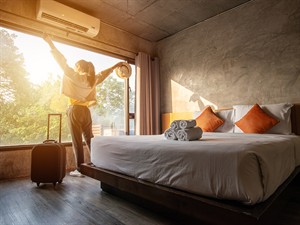
When planning a trip, choosing the right accommodation can completely change your experience. Today, travellers can choose between a guesthouse, a youth hostel, a homestay, or a holiday let. Each option has advantages and disadvantages.
Guesthouses: Comfort, Atmosphere, and Location Advantage
A guesthouse is often small and cosy. Many guesthouses are located in central areas, which makes them very convenient for sightseeing. The atmosphere is usually calm and peaceful, especially compared to large hotels. In well-managed guesthouses, the staff are attentive and helpful, and the rooms are neat and clean. However, some guesthouses may look slightly old-fashioned, and prices can sometimes feel overpriced if the service is poor.
A guesthouse is often small and cosy. Many guesthouses are located in central areas, which makes them very convenient for sightseeing. The atmosphere is usually calm and peaceful, especially compared to large hotels. In well-managed guesthouses, the staff are attentive and helpful, and the rooms are neat and clean. However, some guesthouses may look slightly old-fashioned, and prices can sometimes feel overpriced if the service is poor.
Youth Hostels: Affordability and Shared-Space Challenges
A youth hostel is a popular choice for young travellers who want something affordable. Guests usually sleep in shared dormitories, which can feel cramped. Because many people share the same space, rooms may sometimes become untidy or even dusty. In rare cases, sheets or carpets may appear stained. Hostels can also become noisy if guests are rowdy. When a hostel is understaffed, the service may seem inattentive, and waiting times can be long.
A youth hostel is a popular choice for young travellers who want something affordable. Guests usually sleep in shared dormitories, which can feel cramped. Because many people share the same space, rooms may sometimes become untidy or even dusty. In rare cases, sheets or carpets may appear stained. Hostels can also become noisy if guests are rowdy. When a hostel is understaffed, the service may seem inattentive, and waiting times can be long.
Holiday Lets: Space, Privacy, and Value Considerations
Another option is a holiday let. These snug homes are often roomy, and some have large, almost expansive living areas. The décor may be modern and fashionable, although occasionally the furniture can look tatty or feel uncomfortable. A holiday let outside the city centre may be more inconvenient, but the price is often more reasonable.
Homestays: Cultural Immersion and Personal Experience
For travellers who want a cultural experience, a homestay offers something different. Staying with a local family allows visitors to learn more about daily life. Meals are often home-cooked and can be delicious and tasty, although sometimes the food may be a little flavourless if you are not used to local flavours. When the family is welcoming and never rude, the overall experience can feel truly incredible.
For travellers who want a cultural experience, a homestay offers something different. Staying with a local family allows visitors to learn more about daily life. Meals are often home-cooked and can be delicious and tasty, although sometimes the food may be a little flavourless if you are not used to local flavours. When the family is welcoming and never rude, the overall experience can feel truly incredible.
Evaluating Accommodation: Priorities and Expectations
However, not every stay is perfect. Poor service, uncomfortable rooms, or noisy surroundings can make a trip disappointing. The key is to decide what matters most: location, price, space, food, or atmosphere. Before booking, travellers should carefully read reviews and consider whether the accommodation matches their expectations. The right choice can turn a simple trip into a memorable experience.
Revise: let’s warm up by reviewing the accommodation types you covered in form 7. Click the link and see how much you remember! Types of Accommodation and Rooms
However, not every stay is perfect. Poor service, uncomfortable rooms, or noisy surroundings can make a trip disappointing. The key is to decide what matters most: location, price, space, food, or atmosphere. Before booking, travellers should carefully read reviews and consider whether the accommodation matches their expectations. The right choice can turn a simple trip into a memorable experience.
Revise: let’s warm up by reviewing the accommodation types you covered in form 7. Click the link and see how much you remember! Types of Accommodation and Rooms
Key vocabulary:
youth hostel — [ˈjuːθ ˌhɒs.təl] — is a cheaper type of accommodation, usually favoured by young people trying not to spend much money. Guests usually share large rooms called dormitories with several other people; hostelis
homestay — [ˈhəʊm.steɪ] — is a type of accommodation where one stays in a room in someone’s home. The purpose of a homestay is for the traveller to learn more about the local culture and to experience family life firsthand, so most homestay guests have meals with the family and get to know them on a more personal level; dzīvošana viesģimenē
holiday let — [ˈhɒlədeɪ let] — a flat or a house rented out exclusively for holiday use. Guests have private use of the home and all its facilities; brīvdienu īres mājoklis
Learn: examine the range of adjectives frequently used in hotel reviews to describe accommodation, service quality, and overall experience.
Staff / Service
attentive — [əˈtentɪv] — carefully listening and paying attention to someone’s needs or requests; uzmanīgs, vērīgs
helpful — [ˈhelpfəl] — willing to help and give support or useful advice; izpalīdzīgs
inattentive — [ˌɪnəˈtentɪv] — not paying attention; not listening carefully; neuzmanīgs
rude — [ruːd] — not polite; behaving in an unfriendly or disrespectful way; rupjš, nepieklājīgs
understaffed — [ˌʌndəˈstɑːft] — not having enough workers to do the job properly; ar nepietiekamu darbinieku skaitu
Cleanliness
dusty — [ˈdʌsti] — covered with dust or having a lot of dust on surfaces; putekļains
neat — [niːt] — clean and well organised; kārtīgs, sakopts
stained — [steɪnd] — marked with spots or dirty marks that are difficult to remove; ar traipiem, notraipīts
untidy — [ʌnˈtaɪdi] — not organised and not clean; messy; nekārtīgs, nesakopts
Space
cramped — [kræmpt] — describing a room that is too small and does not have enough space to move comfortably; šaurs, saspiests
expansive — [ɪkˈspænsɪv] — describing a room or area that feels very large and open; plašs, atvērts
roomy — [ˈruːmi] — describing a room that has plenty of space and feels comfortable; plašs, ietilpīgs
Décor
fashionable — [ˈfæʃənəbl] — describing hotel décor that is modern, stylish, and follows current design trends; moderns, stilīgs
old-fashioned — [ˌəʊldˈfæʃənd] — describing hotel décor that looks traditional or out of date; vecmodīgs, novecojis
Furniture
snug — [snʌɡ] — describing furniture or a room that feels small but warm, cosy and comfortable; mājīgs, omulīgs
tatty — [ˈtæti] — describing furniture that looks old, worn and in poor condition; nolietots, noplucis
uncomfortable — [ʌnˈkʌmftəbl] — describing furniture that is not pleasant to sit or lie on; neērts
Noise
calm — [kɑːm] — describing a hotel atmosphere that feels relaxed and not stressful; mierīgs, nosvērts
peaceful — [ˈpiːsfəl] — describing a hotel or location that is quiet and free from noise or disturbance; mierīgs, kluss
rowdy — [ˈraʊdi] — describing guests or surroundings that are noisy, loud, and behave in an uncontrolled way; trokšņains, nevaldāms
Location
central — [ˈsentrəl] — describing a hotel that is located in the city centre, close to shops, attractions and public transport; centrāls, pilsētas centrā
convenient — [kənˈviːniənt] — describing a hotel location that makes it easy to reach important places, transport or attractions; ērts, izdevīgā vietā
inconvenient — [ˌɪnkənˈviːniənt] — describing a hotel location that is difficult to reach or far from main attractions or transport; neērts, neizdevīgā vietā
Price
affordable — [əˈfɔːdəbl] — describing a hotel that is not too expensive and offers good value for the price; pieejams (cenas ziņā), par saprātīgu cenu
overpriced — [ˌəʊvəˈpraɪst] — describing a hotel that costs more than it is worth compared to the quality or services offered; pārāk dārgs, ar pārlieku augstu cenu
reasonable — [ˈriːzənəbl] — describing a hotel price that is fair and not too high for the quality provided; saprātīgs (par cenu)
Food
delicious — [dɪˈlɪʃəs] — describing hotel or restaurant food that tastes extremely good and enjoyable; ļoti garšīgs
flavourless — [ˈfleɪvələs] — describing food that has little or no taste; bezgaršīgs
tasty — [ˈteɪsti] — describing food that has a pleasant and enjoyable taste; garšīgs
General
disappointing — [ˌdɪsəˈpɔɪntɪŋ] — describing a hotel experience that was not as good as expected; tāds, kas sagādā vilšanos
incredible — [ɪnˈkredəbl] — describing a hotel or experience that is extremely good and impressive; neticami labs, iespaidīgs
Staff / Service
attentive — [əˈtentɪv] — carefully listening and paying attention to someone’s needs or requests; uzmanīgs, vērīgs
helpful — [ˈhelpfəl] — willing to help and give support or useful advice; izpalīdzīgs
inattentive — [ˌɪnəˈtentɪv] — not paying attention; not listening carefully; neuzmanīgs
rude — [ruːd] — not polite; behaving in an unfriendly or disrespectful way; rupjš, nepieklājīgs
understaffed — [ˌʌndəˈstɑːft] — not having enough workers to do the job properly; ar nepietiekamu darbinieku skaitu
Cleanliness
dusty — [ˈdʌsti] — covered with dust or having a lot of dust on surfaces; putekļains
neat — [niːt] — clean and well organised; kārtīgs, sakopts
stained — [steɪnd] — marked with spots or dirty marks that are difficult to remove; ar traipiem, notraipīts
untidy — [ʌnˈtaɪdi] — not organised and not clean; messy; nekārtīgs, nesakopts
Space
cramped — [kræmpt] — describing a room that is too small and does not have enough space to move comfortably; šaurs, saspiests
expansive — [ɪkˈspænsɪv] — describing a room or area that feels very large and open; plašs, atvērts
roomy — [ˈruːmi] — describing a room that has plenty of space and feels comfortable; plašs, ietilpīgs
Décor
fashionable — [ˈfæʃənəbl] — describing hotel décor that is modern, stylish, and follows current design trends; moderns, stilīgs
old-fashioned — [ˌəʊldˈfæʃənd] — describing hotel décor that looks traditional or out of date; vecmodīgs, novecojis
Furniture
snug — [snʌɡ] — describing furniture or a room that feels small but warm, cosy and comfortable; mājīgs, omulīgs
tatty — [ˈtæti] — describing furniture that looks old, worn and in poor condition; nolietots, noplucis
uncomfortable — [ʌnˈkʌmftəbl] — describing furniture that is not pleasant to sit or lie on; neērts
Noise
calm — [kɑːm] — describing a hotel atmosphere that feels relaxed and not stressful; mierīgs, nosvērts
peaceful — [ˈpiːsfəl] — describing a hotel or location that is quiet and free from noise or disturbance; mierīgs, kluss
rowdy — [ˈraʊdi] — describing guests or surroundings that are noisy, loud, and behave in an uncontrolled way; trokšņains, nevaldāms
Location
central — [ˈsentrəl] — describing a hotel that is located in the city centre, close to shops, attractions and public transport; centrāls, pilsētas centrā
convenient — [kənˈviːniənt] — describing a hotel location that makes it easy to reach important places, transport or attractions; ērts, izdevīgā vietā
inconvenient — [ˌɪnkənˈviːniənt] — describing a hotel location that is difficult to reach or far from main attractions or transport; neērts, neizdevīgā vietā
Price
affordable — [əˈfɔːdəbl] — describing a hotel that is not too expensive and offers good value for the price; pieejams (cenas ziņā), par saprātīgu cenu
overpriced — [ˌəʊvəˈpraɪst] — describing a hotel that costs more than it is worth compared to the quality or services offered; pārāk dārgs, ar pārlieku augstu cenu
reasonable — [ˈriːzənəbl] — describing a hotel price that is fair and not too high for the quality provided; saprātīgs (par cenu)
Food
delicious — [dɪˈlɪʃəs] — describing hotel or restaurant food that tastes extremely good and enjoyable; ļoti garšīgs
flavourless — [ˈfleɪvələs] — describing food that has little or no taste; bezgaršīgs
tasty — [ˈteɪsti] — describing food that has a pleasant and enjoyable taste; garšīgs
General
disappointing — [ˌdɪsəˈpɔɪntɪŋ] — describing a hotel experience that was not as good as expected; tāds, kas sagādā vilšanos
incredible — [ɪnˈkredəbl] — describing a hotel or experience that is extremely good and impressive; neticami labs, iespaidīgs
Functional Language
Talking About Location

The hotel is ideally located in the city centre. It’s within walking distance of the main square and several popular museums. It is situated near a metro station, which makes travelling around the city very convenient. It takes about ten minutes to get to the airport by taxi and only five minutes to reach the central train station. The area is lively and safe, but it remains relatively quiet at night, which makes it suitable for both tourists and business travellers.
It’s within walking distance of … — used to say that a place can be reached easily on foot, without needing transport; within a short and convenient distance; tas atrodas pastaigas attālumā no …
It is situated near … — used to describe the location of a place in relation to another landmark or facility; a more formal way to say “it is located near”; tas atrodas netālu no …
It takes about … minutes to get to … — used to indicate the approximate travel time needed to reach a destination; lai nokļūtu līdz …, nepieciešamas aptuveni … minūtes
The area is quiet / lively / safe — used to describe the general atmosphere, activity level, or security of the neighbourhood; apkārtne ir klusa / rosīga / droša
Describing the Room
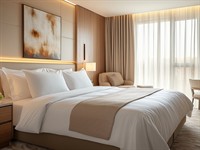
The room felt spacious and comfortable from the moment we entered. The room had enough space for a family of four people to stay comfortably without feeling cramped. There was also a small seating area near the window, which made the space feel even more inviting. The furniture looked modern and well-maintained, creating a pleasant first impression. Overall, the atmosphere was calm and relaxing, making it easy to unwind after a long day of sightseeing.
The room felt … — used to describe the atmosphere, size, or general impression of the room from the guest’s perspective; numurs šķita …
The room had enough space for … — used to indicate that the room provided sufficient space for a specific number of people or items; numurā bija pietiekami daudz vietas …
The furniture looked … — mused to describe the appearance, condition, or style of the furniture; mēbeles bija ...
The room had enough space for … — used to indicate that the room provided sufficient space for a specific number of people or items; numurā bija pietiekami daudz vietas …
The furniture looked … — mused to describe the appearance, condition, or style of the furniture; mēbeles bija ...
Talking About Price and Value

The price was reasonable for a centrally located hotel with modern facilities. Overall, it was good value for money, especially considering the spacious room and attentive service. However, it was a bit expensive compared to other guesthouses in the same area. Even so, the comfort and convenient location meant that it was worth the price. That said, for this price, I expected daily room cleaning and a wider variety of breakfast options.
The price was reasonable for … — used to indicate that the cost was fair in relation to the quality, location, or services provided; cena bija saprātīga, ņemot vērā …
It was good value for money — used to express that the quality and services were worth the amount paid; par šo cenu tas bija ļoti labs piedāvājums
It was a bit expensive compared to … — used to compare the price with similar accommodation and indicate that it was slightly higher; tas bija nedaudz dārgāks salīdzinājumā ar …
It was worth the price — used to say that the experience or quality justified the cost; tas bija savas cenas vērts
For this price, I expected … — used to express that certain standards or services were anticipated at that cost; par šādu cenu es gaidīju …
It was good value for money — used to express that the quality and services were worth the amount paid; par šo cenu tas bija ļoti labs piedāvājums
It was a bit expensive compared to … — used to compare the price with similar accommodation and indicate that it was slightly higher; tas bija nedaudz dārgāks salīdzinājumā ar …
It was worth the price — used to say that the experience or quality justified the cost; tas bija savas cenas vērts
For this price, I expected … — used to express that certain standards or services were anticipated at that cost; par šādu cenu es gaidīju …
Talking About Food
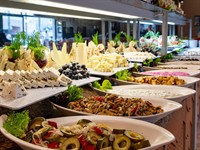
Breakfast was included in the price, which made the stay even more convenient. There was a good variety of fresh fruit, pastries, hot dishes, and drinks, so everyone could find something they liked. The restaurant served both traditional local meals and international options, which made the menu suitable for different tastes. Overall, the food experience added positively to our stay and made the hotel feel more welcoming.
Breakfast was included — used to indicate that the price of accommodation covered breakfast and no additional payment was required; brokastis bija iekļautas cenā
There was a good variety of … — used to say that many different options were available; bija plaša … izvēle
The restaurant served … — used to describe what kind of food or meals were offered; restorāna piedāvājumā bija …
There was a good variety of … — used to say that many different options were available; bija plaša … izvēle
The restaurant served … — used to describe what kind of food or meals were offered; restorāna piedāvājumā bija …
Talking About Staff and Service

The service was quick and efficient from the moment we arrived. At reception, the staff were polite and helpful, although we had to wait for a few minutes during check-in because the hotel was busy. However, they responded quickly to our request for extra towels and resolved the issue without delay. This accommodation offers a 24-hour reception and personalised guest support, which makes travellers feel secure. It features a professional concierge service that assists guests with transport arrangements and restaurant reservations.
The service was quick and efficient — used to describe staff performance as fast and well-organised; apkalpošana bija ātra un efektīva
We had to wait for … — used to indicate that guests needed to spend time waiting for something; mums nācās gaidīt …
They responded quickly to … — used to say that staff reacted promptly to a request or problem; viņi ātri reaģēja uz …
This accommodation offers … — used to introduce services or facilities provided; šī naktsmītne piedāvā …
It features a … — used to highlight a particular service or facility as a notable characteristic; tajā ir pieejams/-a …
We had to wait for … — used to indicate that guests needed to spend time waiting for something; mums nācās gaidīt …
They responded quickly to … — used to say that staff reacted promptly to a request or problem; viņi ātri reaģēja uz …
This accommodation offers … — used to introduce services or facilities provided; šī naktsmītne piedāvā …
It features a … — used to highlight a particular service or facility as a notable characteristic; tajā ir pieejams/-a …
Giving Overall Opinion

Overall, I would recommend this place to travellers who value comfort and convenience. The location was central, the staff were attentive, and the room was spacious and well-maintained. I would stay here again, especially for a short city break. In general, it was a positive experience, although there were a few minor inconveniences. In my opinion, this hotel is ideal for couples and business travellers who prefer a quiet and well-organised environment.
Overall, I would recommend this place — used to give a final positive evaluation after considering all aspects; kopumā es ieteiktu šo vietu
I would stay here again — used to express willingness to return in the future; es šeit paliktu vēlreiz
I wouldn’t choose this hotel again because … — used to give a negative final judgement supported by a reason; es šo viesnīcu vairs neizvēlētos, jo …
In general, it was a positive / negative experience — used to summarise the overall impression; kopumā tā bija pozitīva / negatīva pieredze
In my opinion, this hotel is ideal for … — used to express a personal evaluation and specify a target group; manuprāt, šī viesnīca ir ideāli piemērota …
I would stay here again — used to express willingness to return in the future; es šeit paliktu vēlreiz
I wouldn’t choose this hotel again because … — used to give a negative final judgement supported by a reason; es šo viesnīcu vairs neizvēlētos, jo …
In general, it was a positive / negative experience — used to summarise the overall impression; kopumā tā bija pozitīva / negatīva pieredze
In my opinion, this hotel is ideal for … — used to express a personal evaluation and specify a target group; manuprāt, šī viesnīca ir ideāli piemērota …
Comparing

Compared to the last hotel I stayed in, this one felt more modern and better organised. This place was better in terms of cleanliness and customer service, as the staff responded quickly to every request. The main difference was the atmosphere, which felt calmer and more welcoming. However, it wasn’t as spacious as I expected, especially considering the price.
Compared to the last hotel I stayed in … — used to introduce a comparison with previous experience; salīdzinājumā ar iepriekšējo viesnīcu, kurā es uzturējos, …
This place was better in terms of … — used to specify the aspect in which something was superior; šī vieta bija labāka attiecībā uz …
The main difference was … — used to highlight the most important contrasting feature; galvenā atšķirība bija …
It wasn’t as … as I expected — used to express that something did not meet expectations; tas nebija tik …, kā es gaidīju
Practice: having explored the key vocabulary, you can now begin applying it in context. Reflect on how you would respond to the discussion-type questions in order to develop extended, well-structured answers and strengthen your ability to express and justify your opinion in both examination settings and authentic communicative situations. For each question, an answer prompt is provided to guide and support your response.
Discussion-Type Questions
1. To what extent does location influence the overall accommodation experience?
“Location plays a significant role in shaping a guest’s experience. A central and convenient location allows visitors to access attractions easily, which saves time and reduces stress. However, central areas may not always be peaceful, especially if there are rowdy guests or busy streets nearby. On the other hand, accommodation in a more remote area may feel calm, but it can also be inconvenient if public transport is limited. Therefore, while location strongly influences comfort and accessibility, its importance depends on the traveller’s priorities.”
This place was better in terms of … — used to specify the aspect in which something was superior; šī vieta bija labāka attiecībā uz …
The main difference was … — used to highlight the most important contrasting feature; galvenā atšķirība bija …
It wasn’t as … as I expected — used to express that something did not meet expectations; tas nebija tik …, kā es gaidīju
Practice: having explored the key vocabulary, you can now begin applying it in context. Reflect on how you would respond to the discussion-type questions in order to develop extended, well-structured answers and strengthen your ability to express and justify your opinion in both examination settings and authentic communicative situations. For each question, an answer prompt is provided to guide and support your response.
Discussion-Type Questions
1. To what extent does location influence the overall accommodation experience?
“Location plays a significant role in shaping a guest’s experience. A central and convenient location allows visitors to access attractions easily, which saves time and reduces stress. However, central areas may not always be peaceful, especially if there are rowdy guests or busy streets nearby. On the other hand, accommodation in a more remote area may feel calm, but it can also be inconvenient if public transport is limited. Therefore, while location strongly influences comfort and accessibility, its importance depends on the traveller’s priorities.”
2. Is price a reliable indicator of quality in accommodation?
“Price does not always reflect quality. Some affordable guesthouses provide excellent service with attentive and helpful staff, while certain expensive hotels may appear overpriced if the service is poor. In some cases, a reasonable price can offer better value for money than luxury options. Although higher prices may suggest better facilities or a roomy environment, guests should evaluate reviews carefully before making a decision. Overall, price alone cannot guarantee quality.”
3. How important is cleanliness when evaluating accommodation?
“Cleanliness is one of the most important factors when choosing a place to stay. A neat and well-maintained room creates a positive first impression, whereas a dusty or untidy environment may immediately cause discomfort. If furniture or sheets are stained, guests may question the hygiene standards of the accommodation. Even if the décor is fashionable and the location is ideal, poor cleanliness can make the experience disappointing. Therefore, maintaining high standards of cleanliness is essential for guest satisfaction.”
4. Do small accommodations offer a better atmosphere than large ones?
“Smaller places such as a guesthouse or a homestay often provide a more personal and welcoming atmosphere. Rooms may feel snug and comfortable, and interaction with hosts can make the stay more incredible. In contrast, larger hotels or a youth hostel may feel more impersonal, and shared dormitories can sometimes be cramped. However, larger spaces can also be more expansive and offer modern, fashionable décor. Ultimately, the ideal atmosphere depends on whether a traveller values privacy or social interaction.”
5. Should travellers prioritise comfort over authenticity when choosing accommodation?
“Travellers often face a choice between comfort and authentic experience. A holiday let may provide privacy and a roomy living area, but it might lack local character. In contrast, a homestay allows guests to experience family life and enjoy delicious or tasty home-cooked meals. However, some furniture may feel uncomfortable or slightly tatty, and the décor might appear old-fashioned. While comfort is important, many travellers believe that cultural experience makes the stay more meaningful.”