

Beyond the Room: What Really Makes a Hotel Comfortable?
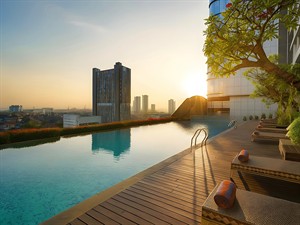
When selecting accommodation, guests often pay attention not only to location and price but also to facilities and services. Modern hotels provide a wide range of features designed to improve comfort, accessibility, and overall experience.
Bathroom and Personal Care
Many travellers prefer a room with an en suite bathroom because it offers privacy and convenience. However, in budget accommodation, guests may need to use a shared bathroom. Most hotels provide free toiletries, such as soap and shampoo. Some rooms are described as hypoallergenic, which means they are suitable for guests who suffer from allergies.
Views and Location Within the Building
The type of view can significantly influence the atmosphere of a stay. A room with a sea view or a landmark view is often more attractive than one facing an inner courtyard. In city hotels, a city view is popular, while countryside accommodation may offer a peaceful garden view.
Outdoor Spaces
Outdoor areas also add value to a hotel. Guests may enjoy relaxing on a terrace or sitting on a patio. Many properties include an outdoor dining area equipped with outdoor furniture, which allows visitors to eat or rest outside.
Floor and Interior Surfaces
The type of flooring affects both comfort and appearance. Some rooms are carpeted, creating a warmer atmosphere. Others have hardwood floors or decorative parquet floors, which are easier to clean and often look more modern.
Comfort and Connectivity
Comfort features are essential for most travellers. Reliable heating is important during colder months, while high-speed internet has become a basic expectation for both leisure and business guests.
Room Structure and Accessibility
Families often choose interconnected rooms, which allow easy movement between spaces while maintaining privacy. Some rooms also include a kitchenette, which is convenient for longer stays. In larger buildings, guests may want to know whether upper floors are accessible by elevator or whether they are accessible by stairs only, especially if they have heavy luggage.
Entertainment and Media
For in-room entertainment, many hotels offer television with cable channels, providing access to international programmes.
Hotel Services
In addition to room facilities, hotel services also influence the overall experience. A bellhop or porter may assist with luggage upon arrival. The concierge can help organise transport, book restaurants, or arrange tickets. Some hotels offer early check-in, which is convenient for travellers arriving in the morning. For guests who value relaxation, a wellness centre may provide spa treatments, while a fitness centre or gym allows visitors to maintain their exercise routine. Business travellers often appreciate high-speed internet and efficient service. Additional benefits may include complimentary drinks or snacks, valet parking, or a convenient shuttle service to and from the airport.
Revise: you’ve read the text — now challenge yourself to recall the accommodation vocabulary from form 7 before moving on to the new concepts: Room Facilities, Hotel Amenities and Services
Key vocabulary:
en suite — [ˌɒn ˈswiːt] — a private bathroom that is directly connected to a bedroom; privāta vannasistaba
free toiletries — [friː ˈtɔɪlətriz] — free bathroom items such as soap, shampoo or shower gel provided by the hotel; bezmaksas higiēnas piederumi
hypoallergenic — [ˌhaɪpəʊˌælədʒenɪk] — designed to reduce the risk of causing allergies; hipoalerģisks
shared bathroom — [ʃeəd ˈbɑːθruːm] — a bathroom used by guests from more than one room; koplietošanas vannasistaba
Views and Location Within the Building
city view — [ˈsɪti vjuː] — a view of the city from the room; skats uz pilsētu
garden view — [ˈɡɑːdn vjuː] — a view of a garden from the room; skats uz dārzu
inner courtyard view — [ˈɪnə ˈkɔːtjɑːd vjuː] — a view of the inside yard of a building; skats uz iekšpagalmu
landmark view — [ˈlændmɑːk vjuː] — a view of a famous building or important place; skats uz ievērojamu objektu
sea view — [ˈsiː vjuː] — a view of the sea from the room; skats uz jūru
Outdoor Spaces
outdoor dining area — [ˌaʊtdɔː ˈdaɪnɪŋ ˈeəriə] — an outside space where guests can eat; āra ēdamzona
outdoor furniture — [ˌaʊtdɔː ˈfɜːnɪtʃə] — tables and chairs placed outside for guests to use; āra mēbeles
patio — [ˈpætɪəʊ] — a paved outdoor area next to a building; iekšpagalms / terase
terrace — [ˈterəs] — a flat outdoor area, often raised and connected to a building; terase
Floor and Interior Surfaces
carpeted — [ˈkɑːpɪtɪd] — covered with carpet; ar mīksto grīdas segumu
hardwood floor — [ˈhɑːdwʊd flɔː] — floors made of solid natural wood; koka grīda
parquet floor — [pɑːˈkeɪ flɔː] — floors made of small wooden pieces arranged in decorative patterns; parketa grīda
Comfort and Climate Control
heating — [ˈhiːtɪŋ] — a system that keeps the room warm; apkure
high-speed internet — [ˌhaɪ ˈspiːd ˈɪntənet] — a fast internet connection; ātrs internets
Room Structure and Layout
interconnected room(s) — [ˌɪntəkəˈnektɪd ruːmz] — two or more rooms connected by an internal door; savienoti numuri
kitchenette — [ˌkɪtʃəˈnet] — a small kitchen area with basic cooking equipment; neliela virtuvīte
Accessibility and Building Access
upper floors accessible by elevator — upper floors that can be reached by lift; augšējie stāvi pieejami ar liftu
upper floors accessible by stairs only — upper floors that can only be reached by stairs; augšējie stāvi pieejami tikai pa kāpnēm
Entertainment and Media
cable channels — [ˈkeɪbl ˌtʃænəlz] — television channels provided through a cable connection; kabeļtelevīzijas kanāli
Hotel Services
bellhop / porter — [ˈbelhɒp / ˈpɔːtə] — a hotel worker who carries guests’ luggage; izsūtāmais, šveicars
complimentary drinks / snacks — [ˌkɒmplɪˈmentəri drɪŋks / snæks] — free drinks or snacks provided by the hotel; bezmaksas dzērieni / uzkodas
concierge — [ˌkɒnsiˈeəʒ] — a hotel employee who helps guests with bookings, transport, and information; konsjeržs, durvju sargs
early check-in — [ˈɜːli ˈtʃek ɪn] — the possibility to enter and use the room earlier than the standard time; agrā ierašanās (numurā)
fitness centre / gym — [ˈfɪtnəs ˌsentə / dʒɪm] — a place in a hotel where guests can exercise; fitnesa centrs / sporta zāle
shuttle service — [ˈʃʌtl ˌsɜːvɪs] — a transport service that takes guests between the hotel and places such as the airport; transfēra pakalpojums
valet parking — [ˌvæleɪ ˈpɑːkɪŋ] — a service where hotel staff park your car for you; auto novietošanas pakalpojums
wellness centre — [ˈwelnəs ˌsentə] — a place in a hotel offering relaxation treatments such as massages or spa services; labsajūtas centrs
Useful Functional Language
At the Hotel Reception
Guest: Good afternoon. Could you tell me what facilities the room has?
Receptionist: Of course. The room comes equipped with air conditioning, a minibar, and cable channels.
Guest: That sounds good. Is breakfast included?
Receptionist: Yes, breakfast is served as a buffet in the restaurant on the ground floor.
Guest: Great. And is room cleaning available every day?
Receptionist: Yes, room cleaning is available daily, but you can request extra cleaning if needed.
Guest: Perfect. Can guests use the gym?
Receptionist: Yes, guests can make use of the fitness centre. You can access the gym with your room key.
Guest: That’s convenient. Do you help with booking tours?
Receptionist: Certainly. We offer assistance with tours and reservations. The concierge can help arrange transport or tickets as well.
Guest: Excellent. Thank you for your help.
Receptionist: You’re very welcome. If you need anything else, please let us know.
Key vocabulary from the dialogue:
Guests can make use of … — used to say that guests are allowed to use certain facilities or services; viesi var izmantot …
The hotel provides … — used to say that the hotel offers or gives a service or facility; viesnīca nodrošina …
We can request … — if needed used to say that something is not automatic but can be asked for; mēs varam pieprasīt …, ja nepieciešams
Breakfast is served as a buffet / a la carte — used to explain how breakfast is offered: buffet means guests choose food themselves; a la carte means guests order from a menu; brokastis tiek pasniegtas bufetes veidā / pēc ēdienkartes
Room cleaning is available daily / on request — used to explain how often cleaning is provided; daily means every day; on request means only if guests ask; numura uzkopšana ir pieejama katru dienu / pēc pieprasījuma
You can access the gym / pool with your room key — used to explain how guests enter certain facilities; jūs varat piekļūt sporta zālei / baseinam ar numura atslēgu
They offer assistance with tours / reservations — used to say that the hotel helps guests organise activities or bookings; viņi piedāvā palīdzību ekskursiju vai rezervāciju organizēšanā
The concierge can help arrange transport / tickets — used to explain that the concierge helps organise travel or buy tickets; konsjeržs var palīdzēt noorganizēt transportu vai biļetes
Practice: now that you have learned the key vocabulary, it is time to use it in practice. Think how you would answer the discussion-type questions, which will help you develop the ability to give longer answers and practise how to express your opinion — just as in an English exam or real conversation. For each question, an answer prompt is available to guide you.
Discussion-Type Questions
1.To what extent do room facilities influence a guest’s overall experience?
"In my view, room facilities play a crucial role in shaping a guest’s experience. Features such as an en suite bathroom, heating, and high-speed internet are no longer luxuries but basic expectations. It seems to me that travellers today value comfort and privacy, especially when rooms include practical elements like a kitchenette or interconnected rooms for families. However, some guests may prioritise location or price over facilities. While a room with a sea view or landmark view may appear more attractive, the overall experience can still be disappointing if essential features are missing. From my perspective, comfort-related facilities significantly influence satisfaction, even more than decorative details such as parquet floors or whether the room is carpeted."
2. Are hotel services more important than physical room features?
"It could be argued that hotel services are equally important, if not more important, than room features. For example, a professional concierge, efficient valet parking, or a reliable shuttle service can greatly improve convenience. In my opinion, services such as early check-in or assistance from a bellhop create a positive first impression. On the other hand, comfortable physical features, such as hardwood floors, a private patio, or access to a terrace, contribute to relaxation. While both elements matter, I would suggest that services influence how guests feel about their stay, whereas room features affect physical comfort."
3. Should hotels prioritise comfort or aesthetics?
"From my point of view, comfort should take priority over appearance. Guests are more likely to appreciate reliable heating, comfortable furniture, and a clean en suite bathroom than decorative flooring or design. Although rooms with stylish hardwood floors or impressive city views may look attractive, functionality often matters more in the long term. Nevertheless, aesthetics can influence first impressions. A room with a garden view or access to an outdoor dining area with pleasant outdoor furniture may create a memorable atmosphere. Overall, I am convinced that a balance between comfort and design is ideal."
4. How important is accessibility in modern accommodation?
"It appears to me that accessibility has become increasingly important in modern accommodation. Clear information about whether upper floors are accessible by elevator or accessible by stairs only helps guests make informed decisions. For travellers with mobility difficulties or heavy luggage, this detail can significantly affect their experience. In addition, features such as interconnected rooms may benefit families, while allergy-sensitive guests may prefer hypoallergenic rooms. In my view, accessibility is not merely an additional benefit but a necessary consideration in contemporary hospitality."
"It could be argued that hotel services are equally important, if not more important, than room features. For example, a professional concierge, efficient valet parking, or a reliable shuttle service can greatly improve convenience. In my opinion, services such as early check-in or assistance from a bellhop create a positive first impression. On the other hand, comfortable physical features, such as hardwood floors, a private patio, or access to a terrace, contribute to relaxation. While both elements matter, I would suggest that services influence how guests feel about their stay, whereas room features affect physical comfort."
3. Should hotels prioritise comfort or aesthetics?
"From my point of view, comfort should take priority over appearance. Guests are more likely to appreciate reliable heating, comfortable furniture, and a clean en suite bathroom than decorative flooring or design. Although rooms with stylish hardwood floors or impressive city views may look attractive, functionality often matters more in the long term. Nevertheless, aesthetics can influence first impressions. A room with a garden view or access to an outdoor dining area with pleasant outdoor furniture may create a memorable atmosphere. Overall, I am convinced that a balance between comfort and design is ideal."
4. How important is accessibility in modern accommodation?
"It appears to me that accessibility has become increasingly important in modern accommodation. Clear information about whether upper floors are accessible by elevator or accessible by stairs only helps guests make informed decisions. For travellers with mobility difficulties or heavy luggage, this detail can significantly affect their experience. In addition, features such as interconnected rooms may benefit families, while allergy-sensitive guests may prefer hypoallergenic rooms. In my view, accessibility is not merely an additional benefit but a necessary consideration in contemporary hospitality."
5. Do additional services increase the value of accommodation?
"In my opinion, additional services can substantially increase the perceived value of accommodation. Access to a fitness centre or wellness centre, as well as small benefits such as complimentary drinks or snacks, may positively influence guest satisfaction. These services can make a stay feel more comfortable and convenient. That said, value also depends on individual needs. Some guests may rarely use the gym or outdoor facilities such as a patio. Therefore, while extra services enhance attractiveness, their importance varies according to personal preferences."