

Before learning the new words, let repeat the known ones from other grades.
Pirms jauno vārdiņu mācīšanās, atkārto jau zināmos vārdus no iepriekšējām klasēm!
- 2. klase — "Weather words I" un "Weather words II".
- 5. klase — "Weather I" un "Weather II".
Svarīgi!
To check yourself, let's do the exercise.
Lai pārbaudītu sevi, izpildi uzdevumu!
Asking about the weather
Jautājot par laikapstākļiem
To ask about the weather we use the appropriate tense of the verb "to BE".
Jautājot par laikapstākļiem, mēs izmantojam darbības vārda "BE" attiecīgo laiku.
Pagātne
What was the weather like in Egypt two days ago?
It was sunny and hot in Egypt two days ago.
Tagadne
What's the weather like in Estonia today?
It's foggy and chilly in Estonia today.
Nākotne
What will the weather be like in Lithuania tomorrow?
It'll be snowy and freezing in Lithuania tomorrow.
Read, listen and learn some new words.
Lasi, klausies un mācies jaunos vārdiņus!
Lasi, klausies un mācies jaunos vārdiņus!

breeze — [briːz] — vēsma, brīze, viegls vējiņš
hurricane — [ˈhʌr.ɪ.kən] — viesuļvētra, orkāns
storm — [stɔːm] — vētra
shower — [ʃaʊər] — lietusgāze (īslaicīga)
dew — [djuː] — rasa
frost — [frɒst] — sarma
hail — [heɪl] — krusa
thunderstorm — [ˈθʌn.də.stɔːm] — negaiss, pērkona negaiss
Northern Lights — [ˌnɔː.ðən ˈlaɪts] — ziemeļblāzma
sleet — [sliːt] — slapjdraņķis
snowstorm — [ˈsnəʊ.stɔːm] — sniegputenis, putenis
Let's learn how to talk about temperatures.
Mācīsimies kā runāt par temperatūrām.
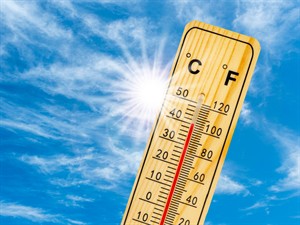
temperature — [ˈtem.prə.tʃər] — temperatūra
boiling hot — [ˈbɔɪ.lɪŋ.hɒt] — ļoti karsts (temperatūra virs 30°C)
hot — [hɒt] — karsts (temperatūra no 20°C līdz 30°C)
warm — [wɔːm] — silts (temperatūra no15°C līdz 20°C)
cool — [kuːl] — vēss (temperatūra no 10°C līdz 15°C)
chilly — [ˈtʃɪl.i] — drēgns (temperatūra no 5°C līdz 10°C)
cold — [kəʊld] — auksts (temperatūra no 0°C līdz 5°C)
freezing — [ˈfriː.zɪŋ] — ļoti auksts (temperatūra no –5°C līdz 0°C)
freezing cold — [ˈfriː.zɪŋ.kəʊld] — ledaini auksts (temperatūra zem –5°C)
0°C (zero degrees Celsius) — [ˈzɪə.rəʊ.dɪˈɡriːzˈsel.si.əs] — nulle grādu pēc Celsija skalas
+10°C (...degrees above zero) — [dɪˈɡriːz.əˈbʌvˈzɪə.rəʊ] — +10°C (temperatūra virs nulles)
or +10°C (ten degrees Celsius) — [ten dɪˈɡriːz.ˈsel.si.əs] — plus desmit grādi
– 10°C (...degrees below zero) — [dɪˈɡriːz.bɪˈləʊˈzɪə.rəʊ] — –10°C (temperatūra zem nulles)
or –10°C (minus ten degrees Celsius) — [ˈmaɪ.nəs ten dɪˈɡriːz.ˈsel.si.əs] — mīnus desmit grādi
Piemērs:
They knew they could not find their way to safety because of the snowstorm, so they walked to some trees and stayed there. — Viņi zināja, ka viņi sniegputeņa dēļ neatradīs ceļu uz drošību, tāpēc viņi aizgāja pie dažiem kokiem un tur arī palika.