

Revise what have you already learned about There is and There are!
To talk about how transport affects the environment, you need to know the right words. Read the example and learn some new vocabulary:
There are many options for transport, but some are better for the environment than others. Cars and buses use fuel and produce gas, which creates pollution. This can have a bad effect on the air and on nature. Walking and riding a bike are very eco-friendly and nature-friendly. They do not produce gas and help reduce pollution. Trains are also a good option because they use less fuel and have a smaller effect on the environment. If people choose eco-friendly transport, we can reduce pollution and protect the environment. Every small choice makes a difference.
Word bank:

option — [ˈɒpʃən] — a choice you can make between two or more things, izvēle
This option is cheaper and easier to use.

environment — [ɪnˈvaɪrənmənt] — the natural world around us, vide
Protecting the environment is important for the health of future generations.
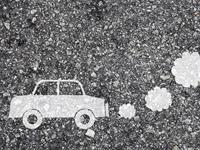
gas — [ɡæs] — a substance like air that can spread and is not solid or liquid, gāze
Cars produce gas that is bad for the air.
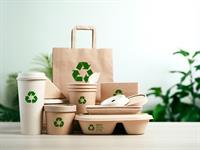
eco-friendly — [ˌiːkəʊ ˈfrɛndli] — not damaging to the environment, videi draudzīgs
Using reusable bags is an eco-friendly choice that helps reduce waste.

fuel — [fjuːl] — a substance used to produce energy, like petrol or diesel, kurināmais
A lot of transport still relies on petrol or diesel fuel to operate.

effect — [ɪˈfekt] — a change or result caused by something else; efekts, sekas, ietekme, iedarbība
The effect of collecting rubbish is a cleaner environment.
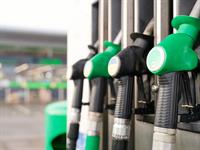
petrol — [ˈpetrəl] — a fuel used in cars and other vehicles; it is made from oil and can pollute the air, degviela
Cars that use petrol usually have a bigger environmental impact than buses or trains.
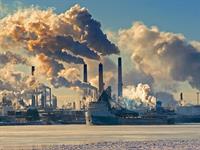
pollution — [pəˈluːʃən] — harmful substances in the environment, piesārņojums
Industrial factories are a major source of pollution in the city.
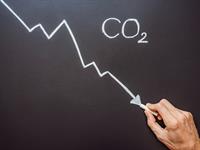
reduce — [rɪˈdjuːs] — to make smaller or less, samazināt
We should reduce our use of plastic to help protect the oceans.
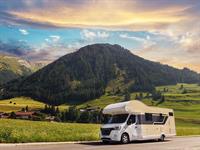
transport — [ˈtrænspɔːt] — ways of moving people or goods from one place to another, transports
Public transport is better for the environment.

nature-friendly — [ˈneɪtʃə frendli] — good for nature and not harmful to the environment, dabai draudzīgs
Nature-friendly products help protect the planet.
Atsauce:
Pollution: Dennis MacDonald / Shutterstock