


Why do traditions travel through time? Why do people follow traditions that started hundreds of years ago? Why do some cultures celebrate with fireworks, while others light candles?

Discover how everyday traditions connect people across generations and cultures.
Word bank:
1. Core concept words

culture — [ˈkʌltʃə] — the ideas, customs, traditions, and way of life of a group of people; kultūra
Food, music, and family traditions are important parts of every culture.
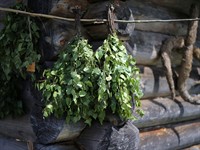
custom — [ˈkʌstəm] — a traditional way of behaving that is common in a particular society; paraža
It is a Latvian custom to use birch branches in the sauna, as people believe this tradition helps the body relax and improves well-being.
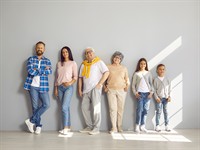
generation — [ˌdʒenəˈreɪʃən] — people of a similar age group, especially within a family; paaudze
Different generations may have different traditions and habits.
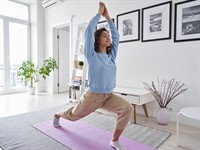
habit — [ˈhæbɪt] — something a person does regularly, often without thinking; ieradums
Drinking tea every evening became a relaxing habit for the whole family.

occasion — [əˈkeɪʒən] — a special or important time or event; īpašs notikums
People wear elegant clothes for special occasions, such as weddings or anniversaries.
2. Daily social behaviour
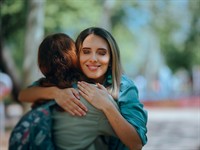
hug relatives — [hʌɡ ˈrelətɪvz] — to put your arms around family members to show love or friendship; apskaut radiniekus
At family celebrations, children run to hug relatives they haven’t seen for a long time, filling the room with laughter, smiles, and happy emotions.

light candles — [laɪt ˈkændlz] — to make candles start burning as part of a tradition or celebration; iedegt sveces
On winter evenings, families light candles to create a warm and cosy atmosphere at home.
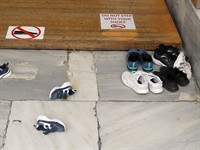
respect customs — [rɪˈspekt ˈkʌstəmz] — to behave in a way that follows the traditions of a culture; ievērot paražas
When travelling abroad, it is important to respect customs and behave politely in public places.
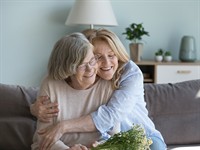
visit relatives — [ˈvɪzɪt ˈrelətɪvz] — to spend time with family members, especially on special occasions; apciemot radiniekus
During the summer holidays, we often visit relatives who live in the countryside.
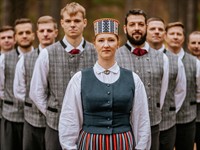
wear a folk costume — [weə fəʊk ˈkɒs.tʃuːm] — to dress in clothing that represents a culture or tradition; valkāt tautas tērpu
People wear folk costumes during cultural festivals to show pride in their heritage.
3. Family traditions
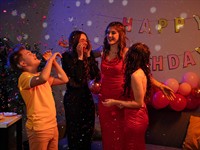
celebrate birthdays — [ˈselɪbreɪt ˈbɜːθdeɪz] — to do special activities to mark the day when a person was born; svinēt/atzīmēt dzimšanas dienas
Many teenagers celebrate birthdays by inviting friends, playing music, and making unforgettable memories.
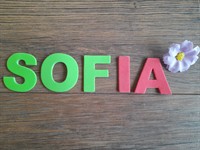
celebrate name days — [ˈselɪbreɪt neɪm deɪz] — to celebrate the day connected with a person’s name according to a calendar tradition; svinēt vārda dienas
In Latvia, families often celebrate name days with flowers, cake, and warm congratulations.
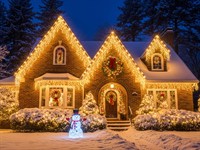
decorate the house — [ˈdekəreɪt ðə haʊs] — to make a home look festive using ornaments, lights, or other decorations; rotāt māju
Before the winter holidays, children excitedly decorate the house with lights, stars, and handmade ornaments.
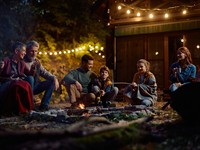
family gathering — [ˈfæməli ˈɡæðərɪŋ] — a meeting where family members come together to spend time with each other; ģimenes sanākšana kopā
A large family gathering brings together relatives from different generations to share stories and traditions.

watch the firework — [wɒtʃ ˈfaɪə.wɜːk] — to look at colourful explosions of light in the sky during celebrations; skatīties/vērot salūtu
On New Year’s Eve, thousands of people watch the firework as the sky fills with bright colours.
4. Collocations
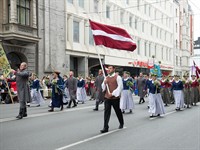
follow traditions — [ˈfɒləʊ trəˈdɪʃənz] — to continue doing customs that have been practiced for a long time; ievērot tradīcijas
Many families follow traditions that have been passed down through several generations.

make a wish — [meɪk ə wɪʃ] — to express a hope or desire for something to happen; izteikt vēlēšanos
Before blowing out the candles, she closed her eyes and made a wish for the future.
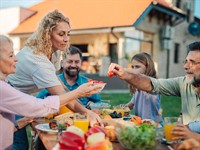
share a meal — [ʃeə ə miːl] — to eat food together with other people; brokastot, pusdienot, vakariņot kopā
Families often share a meal on Sundays to spend quality time together.
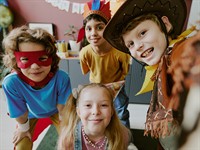
wear costumes — [weə ˈkɒstjuːmz] — to dress in special clothes that represent a character or tradition; valkāt/nēsāt kostīmus
During the festival, children wear costumes inspired by traditional stories.
5. Adjectives describing traditions
The festival is an important cultural event that helps young people learn about their heritage.
national — [ˈnæʃənəl] — relating to a whole country; nacionāls, valsts-
People celebrate national holidays to remember important moments in their country’s history.
traditional — [trəˈdɪʃənəl] — following customs and beliefs that have existed for a long time; tradicionāls
Families prepare traditional dishes that have been passed down through generations.
typical — [ˈtɪpɪkəl] — usual or common for a particular group or situation; tipisks, raksturīgs
It is typical to give flowers when visiting someone on a special occasion.
cultural — [ˈkʌltʃərəl] — related to the traditions, beliefs, and way of life of a group of people; kultūras-
The festival is an important cultural event that helps young people learn about their heritage.
national — [ˈnæʃənəl] — relating to a whole country; nacionāls, valsts-
People celebrate national holidays to remember important moments in their country’s history.
traditional — [trəˈdɪʃənəl] — following customs and beliefs that have existed for a long time; tradicionāls
Families prepare traditional dishes that have been passed down through generations.
typical — [ˈtɪpɪkəl] — usual or common for a particular group or situation; tipisks, raksturīgs
It is typical to give flowers when visiting someone on a special occasion.
Atsauce:
Picture “Shoes are left outside the building”: steve estvanik / Shutterstock.com
Picture “Traditional Latvian attire”: shulers / Shutterstock.com
Picture “National Song and Dance Festival Celebration Procession”: Zelma Brezinska / Shutterstock.com
Picture “Traditional Latvian attire”: shulers / Shutterstock.com
Picture “National Song and Dance Festival Celebration Procession”: Zelma Brezinska / Shutterstock.com