

Read and listen to a short story.
The Night the Lights Went Out
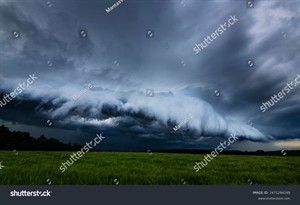
The storm started suddenly, and the sky turned dark in seconds. Leo wanted to stay inside, but his sister Maya grabbed a flashlight and ran outside. The whole town had lost power, so the streets were silent and strange.
While the wind pushed the trees from side to side, the two siblings followed a narrow path toward the old bridge. They were nervous, however, they knew they had to help because their neighbour was alone and afraid. Maya walked in front, as she was braver than Leo, and she kept checking the map on her phone.
They moved quickly since the rain was getting heavier. Although the bridge looked unsafe, they crossed it with great caution. On the other side, they found the neighbour sitting in the dark, and she smiled with relief. The power returned a few minutes later, but the night felt different now. They were tired, also proud, because they had faced their fear together.

Summary: in the story, the night felt dangerous, exciting, and full of action but it only made sense because the ideas were connected clearly. Each event followed another so we could understand what happened and why. Although the characters faced problems, the story flowed smoothly, and nothing felt confusing. This is not an accident. Stories work well because writers use special words to connect ideas and guide the reader. Now, let’s pause for a moment and think about how these connections work.
Imagine: a bridge that connects two pieces of land — without it, travellers would stop at the edge of one side and never reach the other. In language, we often have two ideas that need to be connected so our message makes sense and flows smoothly. Linking words are like tiny bridges; they connect sentences and parts of sentences, helping us join thoughts and show how they relate to one another — just like a bridge connects two places.
Revise: you’ve already crossed this bridge before. You know that some ideas travel alone, but most ideas need a connection to make sense. Let’s briefly revisit the three linking words you already know well from Form 4: Linking words AND, BUT, BECAUSE
Learn: in order to understand how linking works, we need to find out what a clause is.
A clause is a part of a sentence that has a subject and a verb. It tells us who or what does something and what happens.
"They turned on their headlamps." This example has a subject + verb, so it is a clause.
Linking words connect clauses.
"Although the bridge looked unsafe, the team crossed it." Each part is a clause.
A main clause can stand alone as a full sentence. For example: "The team crossed the bridge." "They turned on their headlamps."
A clause that starts with a linking word (although, because, since, while, etc.) cannot stand alone. For example: "Although the bridge looked unsafe," "Since it was getting dark," These clauses need another clause to complete the meaning.
Learn: now it’s time to expand our toolkit of linking words.
although — [ɔːlˈðəʊ] — despite the fact that, shows contrast; lai gan
Although the bridge looked unsafe, they crossed it.
Usage:
- introduces a surprising or contrasting idea;
- can be used at the beginning or in the middle of the sentence;
- do not use a comma after "although";
- the main idea comes after the comma;
- structure: although + subject + verb.
as — [æz] [əz] — gives background reason or explanation; jo, tā kā
Maya walked in front, as she was braver than Leo.
Usage:
- introduces background information;
- often used at the beginning of a sentence;
- when one event happens while another is in progress (‘during the time that’) For example "They arrived as we were leaving."
- time conjunction meaning ‘while’ or ‘when’;
- connect a result with a cause (I went to bed at 9 pm as I had a plane to catch at 6 am. (reason and result meaning ‘because’).
however — [hɑʊˈev·ər] — shows contrast between sentences a synonym of "but"; tomēr, taču, lai kā, lai cik
They were nervous. However, they continued walking.
They were nervous; however, they continued walking.
This is a great achievement. We do, however, still have a lot of work to do.
Usage:
- when "however" connects two complete sentences, it is preceded by a semicolon and followed by a comma;
- when "however" appears inside a sentence or after the subject, it is set off by commas on both sides;
- we can put "however" at the end of a clause or sentence with a comma before it;
- more formal than "but".
since — [sɪns] — gives a reason (similar to "because"); jo, tā kā
Since it was getting dark, they moved quickly.
Usage:
- used when the reason is already clear or obvious;
- often appears at the beginning, or between the two clauses;
- when we use 'since' at the beginning of the sentence, we must put a comma between the two clauses;
- more neutral and slightly more formal than "because".
so — [səʊ] — used before you give an explanation for the action that you have just mentioned; tāpēc, tādēļ
The town lost power, so the streets were silent.
Usage:
- normally used in the middle of a sentence;
- comes between cause and result. The first idea explains why, the second shows what happened;
- a comma usually comes before "so".
while — [waɪl] — to talk about actions happening at the same time, simultaneously; kamēr
While the wind pushed the trees, they crossed the bridge.
I read the newspaper while I was waiting.
Usage:
- shows that two actions happen at the same time;
- often used at the beginning of a sentence;
- a comma is used when it starts the sentence;
- while + subject + verb.
Choosing the right linking word depends on what you want to show:
Add — and
Contrast — but, although, however
Reason — because, since, as
Result — so
Time — while
Contrast — but, although, however
Reason — because, since, as
Result — so
Time — while
...