

Exploring the Hidden Corners of Our Planet
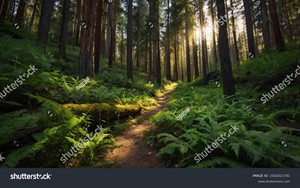
The Earth is made up of many different types of regions, each with its own natural features and environment. The exact location of a place often determines its climate, landscape, and the type of wildlife that lives there.
In many parts of the world, rivers play an important role in shaping the land. The bank of a river is often rich in plant life because it has access to water. In some areas, people have built a canal to control water flow or to create routes for transport. A natural or artificial channel allows water to move through different parts of the landscape.
Some of the most dramatic landforms can be found in areas with strong natural forces. A canyon is a deep valley with steep sides, usually formed by a river over a long period of time. A cliff is a high area of rock, often found along a coastline, where the land meets the sea. In some of these areas, natural formations such as a cave can be found inside cliffs or mountains, often created by water slowly shaping the rock over time.
In higher parts of the world, known as highland areas, the land is often mountainous and includes large mountain ranges. These regions can have colder climates and unique ecosystems. In contrast, a meadow is a flat area of land covered with grass and wildflowers, often found in lower areas.
In tropical parts of the world, dense forests known as jungles are home to a wide variety of plants and animals. These ecosystems are rich in wildlife and are important for maintaining environmental balance.
Coastal areas are also important natural environments. The coastline can vary greatly depending on the region, and beaches are often covered in sand. The point where the sea meets the land is known as sea level, which is used as a standard measurement in geography.
Some of the most valuable natural areas are protected as a national park. These areas are preserved because of their natural beauty and the importance of their ecosystems. Protecting these environments helps to ensure that both land and wildlife are maintained for future generations.
Finally, it is important to understand that Earth is part of the solar system, which includes the Sun and all the planets that move around it. Among these planets, Earth is unique because it supports life across many different types of regions and environments.
In many parts of the world, rivers play an important role in shaping the land. The bank of a river is often rich in plant life because it has access to water. In some areas, people have built a canal to control water flow or to create routes for transport. A natural or artificial channel allows water to move through different parts of the landscape.
Some of the most dramatic landforms can be found in areas with strong natural forces. A canyon is a deep valley with steep sides, usually formed by a river over a long period of time. A cliff is a high area of rock, often found along a coastline, where the land meets the sea. In some of these areas, natural formations such as a cave can be found inside cliffs or mountains, often created by water slowly shaping the rock over time.
In higher parts of the world, known as highland areas, the land is often mountainous and includes large mountain ranges. These regions can have colder climates and unique ecosystems. In contrast, a meadow is a flat area of land covered with grass and wildflowers, often found in lower areas.
In tropical parts of the world, dense forests known as jungles are home to a wide variety of plants and animals. These ecosystems are rich in wildlife and are important for maintaining environmental balance.
Coastal areas are also important natural environments. The coastline can vary greatly depending on the region, and beaches are often covered in sand. The point where the sea meets the land is known as sea level, which is used as a standard measurement in geography.
Some of the most valuable natural areas are protected as a national park. These areas are preserved because of their natural beauty and the importance of their ecosystems. Protecting these environments helps to ensure that both land and wildlife are maintained for future generations.
Finally, it is important to understand that Earth is part of the solar system, which includes the Sun and all the planets that move around it. Among these planets, Earth is unique because it supports life across many different types of regions and environments.
Key vocabulary:
bank — [bæŋk] — the side of a river, canal, etc. and the land near it; (upes, ezera) krasts
canal — [kəˈnæl] — a long straight passage dug in the ground and filled with water for boats and ships to travel along; a smaller passage used for carrying water to fields, crops, etc.; (mākslīgi veidots) kanāls
canyon — [ˈkæn.jən] — a large valley with very steep sides and usually a river flowing along the bottom; kanjons
cave — [keɪv] — a large hole in the side of a hill, cliff, or mountain, or one that is underground; ala
channel — [ˈtʃæn.əl] — a passage for water or other liquids to flow along, or a part of a river or other area of water that is deep and wide enough to provide a route for ships to travel along; kanāls, ūdensceļš, jūras šaurums
cliff — [klɪf] — a high area of rock with a very steep side, often on a coast; klints
coastline — [ˈkəʊstlaɪn] — the land along a coast, especially when you are thinking of its shape or appearance; piekrastes (krasta) līnija
highland — [ˈhaɪ.lənd] — in or relating to an area with mountains or hills; augstiene, kalniene
jungle — [ˈdʒʌŋ.ɡəl] — a tropical forest in which trees and plants grow very closely together; džungļi
land — [lænd] — an area of ground, especially when used for a particular purpose such as farming or building; zeme, sauszeme, cietzeme
location — [ləʊˈkeɪ.ʃən] — a particular place or position; vieta, dislokācija, izvietojums
meadow — [ˈmed.əʊ] — a field with grass and often wild flowers in it; pļava
mountain range — [ˈmaʊn.tɪn ˌreɪndʒ] — a group or line of mountains with a particular name; kalnu grēda
mountainous — [ˈmaʊn.tɪ.nəs] — having a lot of mountains; kalnains, milzīgs
national park — [ˌnæʃ.ən.əl ˈpɑːk] — an area of a country that is protected by the government because of its natural beauty or because it has a special history; nacionālais parks
region — [ˈriː.dʒən] — a particular area or part of the world, or any of the large official areas into which a country is divided; apgabals, apvidus, rajons
sand — [sænd] — a substance that consists of very small grains of rock, found on beaches and in deserts; smiltis, smilts
sea level — [ˈsiː ˌlev.əl] — the average height of the sea where it meets the land; jūras līmenis
the solar system — [ˈsəʊ.lə ˌsɪs.təm] — the sun and the group of planets that move around it; saules sistēma
wildlife — [ˈwaɪld.laɪf] — animals and plants that grow independently of people, usually in natural conditions; savvaļas dzīvnieki
canal — [kəˈnæl] — a long straight passage dug in the ground and filled with water for boats and ships to travel along; a smaller passage used for carrying water to fields, crops, etc.; (mākslīgi veidots) kanāls
canyon — [ˈkæn.jən] — a large valley with very steep sides and usually a river flowing along the bottom; kanjons
cave — [keɪv] — a large hole in the side of a hill, cliff, or mountain, or one that is underground; ala
channel — [ˈtʃæn.əl] — a passage for water or other liquids to flow along, or a part of a river or other area of water that is deep and wide enough to provide a route for ships to travel along; kanāls, ūdensceļš, jūras šaurums
cliff — [klɪf] — a high area of rock with a very steep side, often on a coast; klints
coastline — [ˈkəʊstlaɪn] — the land along a coast, especially when you are thinking of its shape or appearance; piekrastes (krasta) līnija
highland — [ˈhaɪ.lənd] — in or relating to an area with mountains or hills; augstiene, kalniene
jungle — [ˈdʒʌŋ.ɡəl] — a tropical forest in which trees and plants grow very closely together; džungļi
land — [lænd] — an area of ground, especially when used for a particular purpose such as farming or building; zeme, sauszeme, cietzeme
location — [ləʊˈkeɪ.ʃən] — a particular place or position; vieta, dislokācija, izvietojums
meadow — [ˈmed.əʊ] — a field with grass and often wild flowers in it; pļava
mountain range — [ˈmaʊn.tɪn ˌreɪndʒ] — a group or line of mountains with a particular name; kalnu grēda
mountainous — [ˈmaʊn.tɪ.nəs] — having a lot of mountains; kalnains, milzīgs
national park — [ˌnæʃ.ən.əl ˈpɑːk] — an area of a country that is protected by the government because of its natural beauty or because it has a special history; nacionālais parks
region — [ˈriː.dʒən] — a particular area or part of the world, or any of the large official areas into which a country is divided; apgabals, apvidus, rajons
sand — [sænd] — a substance that consists of very small grains of rock, found on beaches and in deserts; smiltis, smilts
sea level — [ˈsiː ˌlev.əl] — the average height of the sea where it meets the land; jūras līmenis
the solar system — [ˈsəʊ.lə ˌsɪs.təm] — the sun and the group of planets that move around it; saules sistēma
wildlife — [ˈwaɪld.laɪf] — animals and plants that grow independently of people, usually in natural conditions; savvaļas dzīvnieki
Practice: now that you have learned the key vocabulary, it is time to use it in practice. Answer the discussion-type questions, which will help you develop the ability to give longer answers and practise argumentative language — just as in an English exam or real conversation. For each question, an answer prompt is available to guide you. Revise the phrases used to formulate arguments you covered in the previously: Understanding Friendships and Social Connections
Discussion-Type Questions:
1. Why is it important to protect natural environments such as national parks?
In my view, protecting natural environments is essential. One strong reason is that these areas help preserve important ecosystems and support a wide variety of wildlife. The main point is that without protection, many natural habitats could be destroyed by human activity. For instance, national parks often provide safe spaces where animals can live without danger. This can be seen in regions where protected areas have helped endangered species recover. Although I accept that economic development is important, I still believe that protecting nature should be a priority. At the same time, it is possible to find a balance between development and conservation.
2. Do you think people should limit human activity in natural regions?
To some extent, I agree that human activity should be limited in natural regions. One strong reason is that too much human presence can damage fragile environments. Another factor to consider is pollution, which can affect both land and water systems. A clear illustration of this is the destruction of forests due to tourism or construction. However, it is also important to recognise that people need access to nature for education and recreation. On the one hand, limiting access protects the environment, on the other hand, it may reduce opportunities for people to learn about nature. In contrast, controlled tourism can both protect and promote natural areas.
3. Some people believe that cities are more important than natural areas. Do you agree?
It is often claimed that cities are more important because they support economic growth and provide jobs. While it is true that cities are centres of development, it is also important to note that natural areas play a key role in maintaining environmental balance. The main point is that without natural regions, life in cities would become less sustainable. To illustrate my point, forests and oceans help regulate climate and provide clean air. Nevertheless, many people still focus mainly on urban development. On the contrary, protecting nature is equally important for long-term survival.
4. What are the advantages and disadvantages of living in a mountainous region?
Living in a mountainous region has both benefits and challenges. One strong reason is that such areas offer beautiful landscapes and clean air. For instance, many people enjoy outdoor activities like hiking in mountain ranges. This can be seen in regions that attract tourists because of their natural beauty. However, living in these areas can also be difficult. Another factor to consider is limited access to services such as transport and healthcare. On the one hand, mountainous regions provide peaceful environments, on the other hand, they can be isolated and less developed. Yet, for many people, the advantages still outweigh the disadvantages.
5. How does nature influence people’s lives?
Nature has a strong influence on people’s lives in many ways. The main point is that it affects both physical and mental well-being. One strong reason is that natural environments can reduce stress and improve health. For instance, spending time in a meadow or near the coastline can help people relax. A clear illustration of this is how people feel calmer after visiting natural areas. It cannot be denied that modern life often separates people from nature; however, many still try to reconnect with it. At the same time, nature also influences cultures and traditions in different regions.