

Read and listen to the article. Pay special attention to the highlighted words.
The Universe on Tour
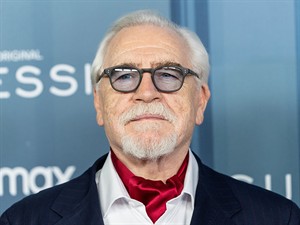
Professor Brian Cox is a British scientist and TV presenter. He explains big questions about space, time and the universe in a clear and exciting way.
In 2026, he is travelling around different countries with his live show "Emergence". In this show, he will explore how the universe works — from galaxies and black holes to life on Earth and the human brain. The show will look at one big idea: the world can look very complex, but science can help us find simple patterns inside it.
In October 2026, Professor Cox is bringing the show to the UK and Ireland. He is starting in Edinburgh and later he is speaking in cities such as Manchester, London and Plymouth. After that, the tour is moving to the USA and Canada, where he is visiting more cities.
Think: look at the verbs in bold in the article. What grammar tense is used?
Clues:
1. Each highlighted verb phrase has a form of "be": am, is or are.
2. The main verb ends in -ing: travelling, bringing, speaking, moving.
3. The pattern is: subject + am / is / are + verb-ing
1. Each highlighted verb phrase has a form of "be": am, is or are.
2. The main verb ends in -ing: travelling, bringing, speaking, moving.
3. The pattern is: subject + am / is / are + verb-ing
4. It is not the Present Simple. We do not say: Professor Cox travels around different countries in 2026.
So, what tense is used in the article?
Revise: the tense is Present Continuous. You already know this tense from Form 8: Influence of Media in Sports. Present Continuous
Learn: now let’s discover a new secret of the Present Continuous: sometimes this tense is not about right now — it can take us into the future. Let’s explore how English uses it to talk about plans that are already arranged.
The form stays the same. The grammar form does not change: subject + am / is / are + verb-ing
She is travelling next week.
We are visiting the museum on Friday.
They are attending a workshop this evening.
The form is the same as the Present Continuous for actions happening now. The difference is in the meaning.
The time expression helps us understand the meaning. A sentence often has a future time expression.
Compare:
She is watching a documentary now. (The action is happening now.)
She is watching a documentary tonight. (The action is planned for later.)
The grammar form is the same: "is watching". The time expression changes the meaning: now or tonight.
She is watching a documentary now. (The action is happening now.)
She is watching a documentary tonight. (The action is planned for later.)
The grammar form is the same: "is watching". The time expression changes the meaning: now or tonight.
We use it for arranged future plans. The Present Continuous for the future is not just for a general idea. It is usually for a plan with some details.
- a day or date;
- a time;
- a place;
- another person involved;
- a ticket, invitation, calendar note or schedule
I’m meeting Anna after school. (The meeting is already planned.)
We’re having a test on Thursday. (The test is already on the schedule.)
My parents are flying to London next week. (The trip is already arranged.)
Professor Cox is bringing his show to the UK in October 2026. (The tour dates are already planned.)
We’re having a test on Thursday. (The test is already on the schedule.)
My parents are flying to London next week. (The trip is already arranged.)
Professor Cox is bringing his show to the UK in October 2026. (The tour dates are already planned.)
Present Continuous or “going to”? (if you have forgotten, revise: Usage of "Be going to")
Both can talk about the future, but they do not feel the same.
I’m going to visit my aunt. (This tells us about a plan or intention.)
I’m visiting my aunt on Saturday. (This is arranged because the day is already decided.)
Both can talk about the future, but they do not feel the same.
I’m going to visit my aunt. (This tells us about a plan or intention.)
I’m visiting my aunt on Saturday. (This is arranged because the day is already decided.)
Svarīgi!
Remember the simple rule:
going to = a plan or intention
Present Continuous = a future arrangement with planned details
going to = a plan or intention
Present Continuous = a future arrangement with planned details
Atsauce:
Picture "Brian Cox": lev radin / shutterstock.com