

Imagine one day…
You wake up and your phone screen has no sound.
At school, the text is very small and difficult to read.
People speak quickly, but you cannot hear clearly.
Important information is written, but you cannot see the letters.
Suddenly, everyday things feel different. In this unit, you will learn vocabulary that helps you communicate respectfully about people with special needs.
You wake up and your phone screen has no sound.
At school, the text is very small and difficult to read.
People speak quickly, but you cannot hear clearly.
Important information is written, but you cannot see the letters.
Suddenly, everyday things feel different. In this unit, you will learn vocabulary that helps you communicate respectfully about people with special needs.
Word bank:
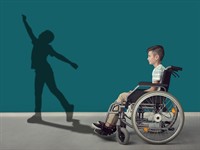
ability — [əˈbɪl.ə.ti] — the physical or mental power to do something; spēja
Technology can improve a person's ability to walk.
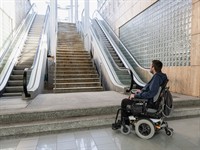
access — [ˈæk.ses] — the possibility to enter or use something; piekļuve
Not all buildings has easy access for wheelchair users.
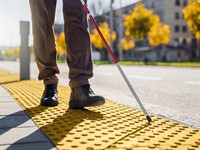
blind — [blaɪnd] — unable to see; akls(a); neredzīgs(a)
He has been blind since birth, but he travels very well with his cane.
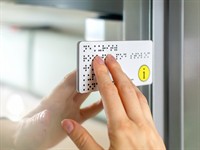
Braille — [breɪl] — a system of writing for the blind using raised dots; Braila raksts
There is Braille on the elevator buttons so everyone can use them.
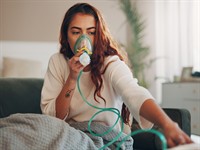
condition — [kənˈdɪʃ.ən] — a medical or physical state that affects a person’s health or abilities; (veselības) stāvoklis
Because of her medical condition, she needs regular visits to the doctor.
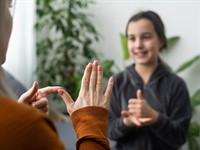
deaf — [def] — unable to hear anything or unable to hear very well; kurls(a), nedzirdīgs(a)
She uses a hearing aid because she is partially deaf.
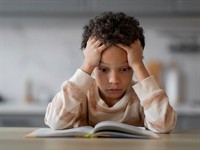
difficulty — [ˈdɪf.ɪ.kəl.ti] — a problem or something that is not easy to do; grūtības
Some students have difficulty reading small text.
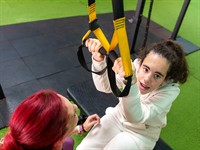
equipment — [ɪˈkwɪp.mənt] — the set of tools or items needed for a particular activity; aprīkojums, ekipējums
The gym has special equipment for athletes with disabilities.
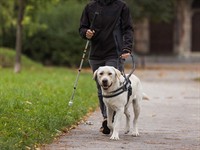
guide dog — [ˈɡaɪd ˌdɒɡ] — a dog trained to help a blind person move around safely; suns-pavadonis
A guide dog is allowed to enter shops and restaurants with its owner.
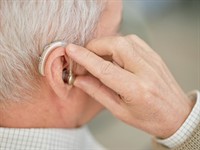
hearing aid — [ˈhɪə.rɪŋ ˌeɪd] — a small device that helps a person hear better; dzirdes aparāts
He uses a hearing aid.
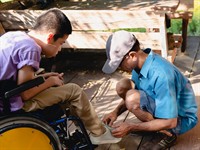
helpful — [ˈhelp.fəl] — willing to help other people; atsaucīgs(a), izpalīdzīgs(a)
The staff at the museum were very helpful and showed us the ramp.
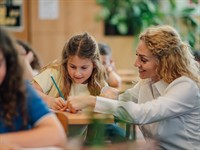
learning support — [ˈlɜː.nɪŋ səˈpɔːt] — extra help for students who find learning difficult; mācību atbalsts
The school offers learning support for reading difficulties.
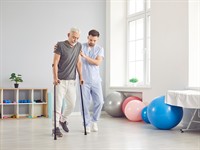
patient — [ˈpeɪ.ʃənt] — able to wait or stay calm without getting angry; pacietīgs(a)
A doctor needs to be patient when someone is learning to walk again.
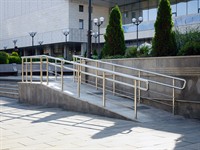
ramp — [ræmp] — a sloping surface that helps people move between levels; uzbrauktuve, rampa
There is a ramp at the entrance for wheelchair users.
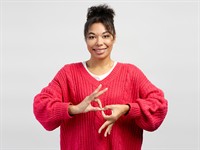
sign language (also signed language; sign) — [ˈsaɪn ˌlæŋ.ɡwɪdʒ] — a language that uses hand movements instead of spoken words; zīmju valoda
Some deaf people use sign language to communicate.
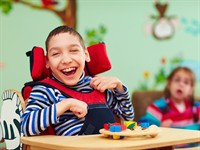
special needs — [ˌspeʃ.əl ˈniːdz] — particular physical, emotional, or learning needs that require extra support; īpašas / speciālās vajadzības
The school provides extra support for students with special needs.
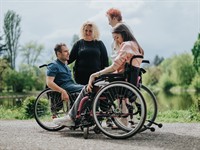
wheelchair — [ˈwiːl.tʃeər] — a chair with wheels used by people who cannot walk; ratiņkrēsls
The theatre has special spaces for people who use a wheelchair.