

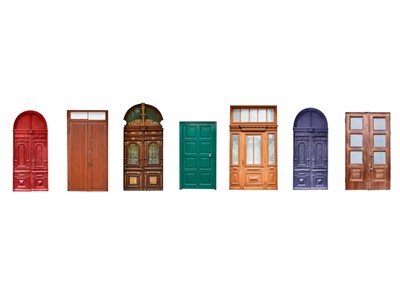
Imagine a building with many doors.
One door leads to a room full of maps, numbers and business plans. Another door opens into a hospital. Behind the next one, someone is designing a bridge, filming a news report, testing a chemical reaction or studying how people behave in society. These doors are called fields of study.
In this unit, you will not choose your whole future in one lesson. Instead, you will open different doors, collect new words and notice which rooms make you curious.
One door leads to a room full of maps, numbers and business plans. Another door opens into a hospital. Behind the next one, someone is designing a bridge, filming a news report, testing a chemical reaction or studying how people behave in society. These doors are called fields of study.
In this unit, you will not choose your whole future in one lesson. Instead, you will open different doors, collect new words and notice which rooms make you curious.
Revise: before you unlock the new words, take a quick trip back to the school subjects you already know. Form 6: School subjects. Form 9: Find Your Spark: Interests, Subjects and Strengths
Learn: ready to step inside? Let’s learn the words behind each door.

Money Minds
business — [ˈbɪz.nɪs] — the study of how companies are started, managed and developed; bizness, uzņēmējdarbība
Ryan is interested in business because he would like to start his own company one day.
economics — [ˌiː.kəˈnɒm.ɪks] / [ˌek.əˈnɒm.ɪks] — the study of how money, products and services are made, bought and used; ekonomika
Daniel chose economics because he wants to understand how prices and jobs are connected.
statistics — [stəˈtɪs.tɪks] — the study of collecting, reading and understanding numbers and data; statistika
Max enjoys statistics because he likes finding patterns in information.
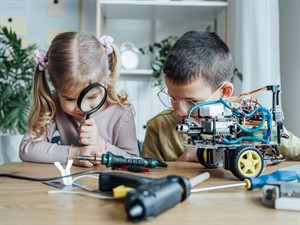
Design, Build, Create
Ben wants to study architecture because he enjoys drawing buildings and planning spaces.
architecture — [ˈɑː.kɪ.tek.tʃə] — the study of designing buildings and spaces; arhitektūra
Ben wants to study architecture because he enjoys drawing buildings and planning spaces.
computer science — [kəmˌpjuː.tə ˈsaɪ.əns] — the study of computers, coding and how computer systems work; datorzinātne
Adam wants to study computer science because he enjoys solving problems with code.
design — [dɪˈzaɪn] — the study of planning and creating useful or attractive objects, images or spaces; dizains
Anna wants to study design because she likes turning ideas into useful and beautiful products.
engineering — [ˌen.dʒɪˈnɪə.rɪŋ] — the study of designing and building machines, roads, bridges, systems or structures; inženierzinātnes
Megan is interested in engineering because she likes building things and testing new ideas.
information technology (abbreviation: IT) — [ˌɪn.fəˌmeɪ.ʃən tekˈnɒl.ə.dʒi] / [ˌaɪˈtiː] — the study of computers, digital systems and how information is stored and shared; informācijas tehnoloģijas, IT
Ella wants to study information technology because she is interested in networks and digital tools.

Health Heroes
medicine — [ˈmed.ɪ.sən] — the study of illnesses, injuries and how to treat people; medicīna
Jack wants to study medicine because he hopes to become a doctor.
pharmacy — [ˈfɑː.mə.si] — the study of medicines and how they are prepared and used safely; farmācija
Isla is interested in pharmacy because she wants to learn how medicines help patients.

People and Power
Tom is interested in law because he wants to understand how people’s rights are protected.
law — [lɔː] — the study of legal rules, people’s rights and how justice systems work; tiesību zinātne, jurisprudence
Tom is interested in law because he wants to understand how people’s rights are protected.
social work — [ˈsəʊ.ʃəl wɜːk] — the study or work of helping people who need support in difficult life situations; sociālais darbs
Zoe is interested in social work because she wants to support children and families.

Creative Worlds
Sophie chose art history because she loves visiting museums and learning about famous paintings.
art history (also: history of art) — [ˌɑːt ˈhɪs.tər.i] — the study of art, artists and how art has changed through history; mākslas vēsture
Sophie chose art history because she loves visiting museums and learning about famous paintings.
cultural studies — [ˈkʌl.tʃər.əl ˌstʌd.iz] — the study of culture and how people’s ideas, traditions and lifestyles shape society; kultūras studijas
Grace chose cultural studies because she is curious about how people live in different countries.
fine arts — [ˌfaɪn ˈɑːts] — the study and practice of creative art, such as painting, drawing and sculpture; tēlotājmāksla, vizuālā māksla
Lily chose fine arts because she wants to develop her drawing and painting skills.
tourism — [ˈtʊə.rɪ.zəm] / [ˈtɔː.rɪ.zəm] — the study of travel, visitors and services connected with holidays and trips; tūrisms
William wants to study tourism because he enjoys languages, travel and meeting new people.

Words, Learning and Ideas
communication science — [kəˌmjuː.nɪˈkeɪ.ʃən ˈsaɪ.əns] — the study of how people share information, ideas and messages; komunikācijas zinātne
Emma chose communication science because she wanted to understand how messages influence people.
education — [ˌedʒ.ʊˈkeɪ.ʃən] — the study of teaching, learning and how schools work; izglītība, pedagoģija
Oliver wants to study education because he hopes to become a teacher.

Science Explorers
biology — [baɪˈɒl.ə.dʒi] — the study of living things, such as plants, animals and humans; bioloģija
Molly chose biology because she is curious about animals, plants and the human body.
chemistry — [ˈkem.ɪ.stri] — the study of substances and how they change or react; ķīmija
Harry likes chemistry because he enjoys experiments and wants to know how materials change.
environmental science — [ɪnˌvaɪ.rənˌmen.təl ˈsaɪ.əns] — the study of nature, pollution and how people affect the planet; vides zinātne
Noah chose environmental science because he wants to protect nature and reduce pollution.
physics — [ˈfɪz.ɪks] — the study of energy, movement, light, sound and forces; fizika
Charlotte likes physics because she wants to understand how the world works.