

Read, listen and learn some new words – other countries.
Lasi, klausies un mācies jaunos vārdiņus, citu valstu nosaukumus!
Lasi, klausies un mācies jaunos vārdiņus, citu valstu nosaukumus!

Australia — [ɒsˈtreɪ.li.ə] — Austrālija

Brazil — [brəˈzɪl] — Brazīlija
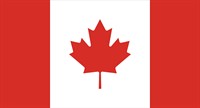
Canada — [ˈkæn.ə.də] — Kanāda
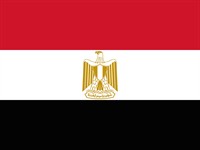
Egypt — [ˈiː.dʒɪpt] — Ēģipte
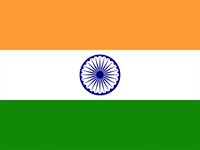
India — [ˈɪn.di.ə] — Indija

Mexico — [ˈmek.sɪ.kəʊ] — Meksika
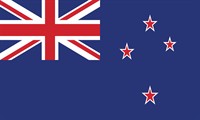
New Zealand — [ˌnjuː ˈziː.lənd] — Jaunzēlande
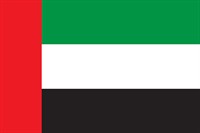
the United Arab Emirates — [juːˌnaɪ.tɪd ˌær.əb ˈem.ɪ.rəts] — Apvienotie Arābu Emirāti
the UAE — [ˌjuː.eɪˈiː] — saīsinājums Apvienotajiem Arābu Emirātiem

the USA — [ˌjuː.esˈeɪ] — ASV
the United States of America — Amerikas Savienotās Valstis
PIEKLĀJĪBAS FRĀZES
Why Being Polite Matters
In the UK and all around the world, using polite phrases is like a "social superpower." When you speak to a stranger or someone from another country, being polite shows that you are a kind and respectful person. Using phrases like "Excuse me," "Please," or "Cheers" acts like a bridge between people – it makes others feel happy and more willing to help you. Whether you are at a cafe in Riga or a bus stop in London, having good manners helps you make new friends and ensures your travels are much more pleasant!
In the UK and all around the world, using polite phrases is like a "social superpower." When you speak to a stranger or someone from another country, being polite shows that you are a kind and respectful person. Using phrases like "Excuse me," "Please," or "Cheers" acts like a bridge between people – it makes others feel happy and more willing to help you. Whether you are at a cafe in Riga or a bus stop in London, having good manners helps you make new friends and ensures your travels are much more pleasant!
1. Kad satiec kādu no citas valsts
Tā vietā, lai tikai pateiktu "Hello", briti bieži izmanto šīs frāzes, lai parādītu interesi:
Lovely to meet you! – Priecājos iepazīties!
Daudz dabiskāk nekā skolas "Nice to meet you". Briti bieži izmanto vārdu lovely.
Whereabouts in [Country] are you from? – Ļoti svarīgs vārds! Tas nozīmē no kurienes tieši.
Whereabouts in Italy are you from? — No kurienes tieši Itālijā Jūs esat?
Have you been here long? — Vai Jūs šeit esat jau ilgi? (Lielisks sarunas uzsācējs).
2. Pieklājīga nezināšana vai nesaprašana
Ja nezini, kur atrodas kāda pilsēta vai neesi par to dzirdējis, nekad nesaki "I don't know". Izmanto labāk:
I’m afraid I’m not familiar with that place. — Diemžēl es nepārzinu to vietu. (Ļoti britiski un pieklājīgi).
Sorry, could you repeat that? I didn't quite catch the name. — Piedodiet, vai varētu atkārtot? Es īsti nesaklausīju nosaukumu.
3. Mazināšana un "Mīkstināšana" (Hedging)
Briti reti ir tieši. Viņi izmanto vārdus, lai teikto padarītu maigāku:
It’s a bit... — Tā vietā, lai teiktu "It is cold in Norway", saki "It’s a bit chilly in Norway, isn't it?".
I’ve heard it’s quite... — Esmu dzirdējis, ka tur ir diezgan...
Piemēram:
I've heard it's quite rainy in London. — Esmu dzirdējis, ka Londonā ir diezgan lietains.
4. Frāzes ceļojot (Lidostā / Viesnīcā)
Šīs frāzes palīdzēs sazināties pieklājīgāk nekā tikai izmantojot pavēles izteiksmi:
Would you mind helping me, please? — Vai jūs varētu man palīdzēt?
I’d like to check in, please. — Es vēlētos reģistrēties.
How much would that be? — Cik tas būtu?
Cheers, that's very kind of you. — Paldies, tas ir ļoti laipni no jums.
5. Mazais "Kritiskais" saraksts (Tips & Tricks)
Pardon? vai Sorry? — Nekad nesaki "What?". Britu kultūrā "What?" skan agresīvi.
Cheers — Lielbritānijā to izmanto ne tikai pie glāžu saskandināšanas, bet arī kā "Paldies" vai "Atā" neformālās situācijās.
Actually... — Izmanto, kad vēlies kādu labot pieklājīgi.
Piemēram:
Actually, I'm from Latvia, not Lithuania. — Patiesībā esmu no Latvijas, nevis Lietuvas.
Padoms: Britu angļu valodā intonācija ir tikpat svarīga kā vārdi. Pat vienkāršs "Please" teikuma beigās ar augšupvērstu intonāciju maina visu sarunas noskaņu!