

Learn: have you ever stood in front of an artwork and thought, “Wow… how was this made?” Or watched a performance and felt music, movement, and emotion come alive? In this unit, you will step into the world of art — a place full of colour, creativity, and ideas. Art is not just something you look at. It’s something you experience. Let’s learn the language of art and start seeing the world with new eyes
Word bank:
Part 1: General vocabulary
Every artist has their own style.
The artist uses a special technique to create light and shadow.
art — [ɑːt] — the use of the imagination to express ideas or feelings, particularly in painting, drawing or sculpture; māksla
Art helps people understand history, culture, and different ideas.
style — [staɪl] — the particular way in which something is done; stils
Every artist has their own style.
technique — [tekˈniːk] — the way an artist works or paints; tehnika
The artist uses a special technique to create light and shadow.
Part 2: Types of Art
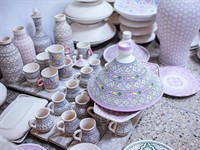
the decorative arts — [ðə ˈdek.ər.ə.tɪv ɑːts] — art that is concerned primarily with the creation of useful items (such as furniture, ceramics, or textiles); dekoratīvi lietišķā māksla
The museum has a special room for the decorative arts, such as furniture, jewellery, and pottery.
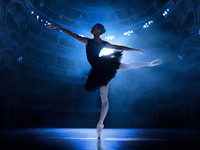
the performing arts — [ðə pəˌfɔːmɪŋ ˈɑːts] — arts such as music, dance and drama which are performed for an audience; izpildītājmāksla
The performing arts bring music, dance, and drama to life on stage.
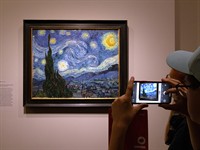
the visual arts — [ðə ˌvɪʒ.u.əl ˈɑːts] — the arts of painting and sculpture; vizuālā māksla
This museum focuses on the visual arts, such as paintings and photographs.
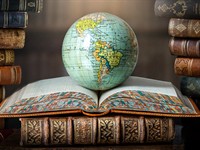
literature — [ˈlɪt.rə.tʃər] — an art form that uses written words to tell stories, describe ideas, and express feelings; literatūra
The museum has a small section about literature and famous writers.
Part 3: Types of Visual Art
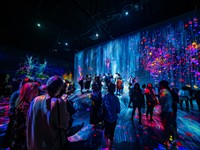
digital art — [ˈdɪdʒɪtəl ɑːt] — art that is created using computers, tablets, or other digital tools instead of paint or paper; digitālā māksla
This museum attracts young visitors with its digital art exhibitions.
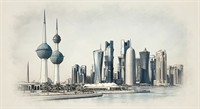
drawing — [ˈdrɔːɪŋ] — a picture made using a pencil or pen rather than paint; zīmējums
Visitors can see drawings from different historical periods.
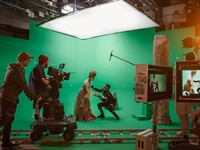
filmmaking — [ˈfɪlmˌmeɪ.kiŋ] — the process or art of making a film; kinematogrāfija jeb filmu veidošana
Filmmaking combines storytelling, acting, and technology.
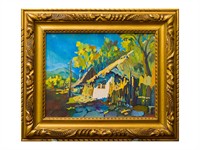
painting — [ˈpeɪn.tɪŋ] — a form of visual art that uses colours to express ideas; glezniecība
This exhibition focuses on painting and other visual arts.
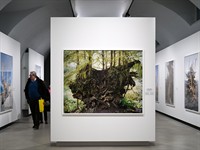
photography — [fəˈtɒɡ.rə.fi] — a type of visual art that uses a camera to create artistic pictures; foto māksla
Many students enjoy photography because it combines art and technology.
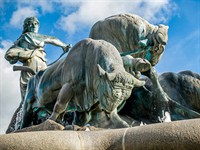
sculpture — [ˈskʌlptʃə(r)] — a type of visual art in which artists create three-dimensional objects. Sculptures are made from materials such as stone, metal, wood, or clay, and people can walk around them and see them from different sides.; tēlniecība
Students study sculpture alongside other forms of visual arts.
Part 3: Style Descriptions
bold — [bəʊld] — strong, clear, and easy to notice; izteiksmīgs
The artist uses bold colours.
bright — [braɪt] — full of light and strong colours; spilgts
Bright paintings feel cheerful.
colourful — [ˈkʌl.ə.fəl] — using many bright colours or a lot of different colours; krāsains
The painting is colourful and lively.
simple — [ˈsɪm.pəl] — not detailed or complicated; vienkāršs
The design is simple and clear.
Atsauce:
Picture “Van Gogh painting”: spatuletail / Shutterstock.com
Picture “Digital art museum”: Aberu.Go / Shutterstock.com
Picture “Pencil sketch”: AI /Shutterstock.com
Picture “Photography Exhibition”: Renato Murolo 68 / Shutterstock.com
Picture “Gefion Fountain”: Dr. Victor Wong / Shutterstock.com
Picture “Digital art museum”: Aberu.Go / Shutterstock.com
Picture “Pencil sketch”: AI /Shutterstock.com
Picture “Photography Exhibition”: Renato Murolo 68 / Shutterstock.com
Picture “Gefion Fountain”: Dr. Victor Wong / Shutterstock.com