

Learn: imagine choosing an outfit without seeing it — only feeling it. In this unit, you’ll learn how to describe clothes by their material, pattern, and comfort.
Word bank:
Part 1: Materials
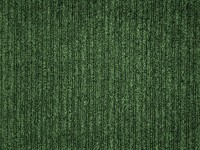
cotton — [ˈkɒtn] — a soft, natural fabric made from cotton plants; kokvilna
This cotton T-shirt feels light and comfortable on a hot summer day.
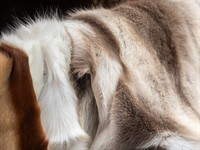
fur — [fɜː] — the thick hair of animals, used to make warm clothing; kažokāda
The fur on the coat keeps her warm during freezing winter evenings.
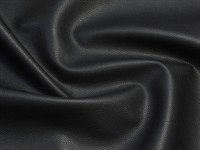
leather — [ˈleðə] — material made from animal skin, often used for jackets and shoes; āda
He bought a leather jacket that looks stylish and lasts for years.

silk — [sɪlk] — a smooth, shiny natural fabric made from silkworm threads; zīds
She wore a soft silk scarf that moved gently in the wind.
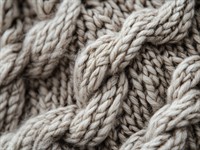
wool — [wʊl] — a warm natural material made from the hair of sheep; vilna
A wool jumper is perfect for cold autumn mornings.
Part 2: Patterns (the design or shape you see repeated on something, especially on clothes or fabric)
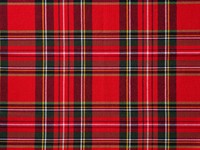
checked (also: chequered) — [tʃekt] — having a pattern of squares or lines crossing each other; rūtains
He wore a checked shirt that made his outfit look smart but relaxed.
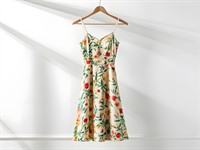
flowered — [ˈflaʊəd] — covered with a pattern of flowers; puķains
She chose a flowered dress that looked bright and cheerful.
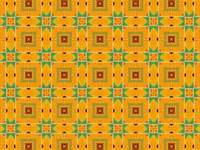
patterned — [ˈpætənd] — having a decorative design, not plain; ar rakstu
The patterned fabric made the simple jacket more interesting.

plain — [pleɪn] — having no pattern or decoration; vienkrāsains
She prefers plain clothes because they are easy to match.
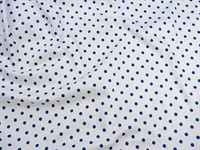
polka-dot (also: polka dot, polkadot) — [ˈpɒlkə dɒt] — having a pattern of small round dots; punktots
The polka-dot skirt added a fun touch to her outfit.
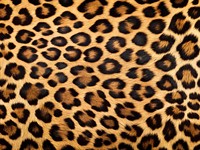
spotted — [ˈspɒtɪd] — covered with small round marks or spots; raibs ar plankumiem
She wore a spotted shirt that immediately caught everyone’s attention.

striped — [straɪpt] — having long narrow lines of colour; svītrains
The striped jumper made the outfit look modern and sporty.
Part 3: The power of adjectives
baggy — [ˈbæɡi] — (of clothes) hanging loosely because of being too big or having been stretched; maisveidīgs
The T-shirt was too baggy, so it didn’t fit her well.
comfortable — [ˈkʌmftəbl] — making you feel relaxed and not uncomfortable; ērts
These shoes are so comfortable that I can walk all day in them.
crumpled — [ˈkrʌm.pəld] — not smooth or neat, with many small folds or wrinkles, usually because something has been bent, pressed, or not taken care of; saburzīts
His shirt looked crumpled after he took it out of his bag.
dirty — [ˈdɜːti] — not clean; netīrs
After playing outside, his trousers were dirty and covered in mud.
loose — [luːs] — not tight; comfortable to wear; brīvs, neapspiests
She likes loose clothes because they feel relaxed and free.
long-sleeved — [lɒŋ sliːvd] — having long sleeves; ar garām piedurknēm
He wore a long-sleeved shirt to protect his arms from the sun.
second-hand — [ˌsekənd ˈhænd] — already used by someone else before; lietots
She bought a second-hand jacket that still looks almost new.
short-sleeved — [ʃɔːt sliːvd] — having short sleeves; ar īsām piedurknēm
On hot days, I always choose a short-sleeved top.
simple — [ˈsɪmpl] — not complicated or decorated; vienkāršs
Her simple outfit looked elegant without being boring.
smart — [smɑːt] — clean, neat, and stylish; glīts, elegants
He wore a smart jacket for the family celebration.
soft — [sɒft] — pleasant to touch; mīksts
The blanket felt soft and warm against her skin.
tight — [taɪt] — fitting closely to the body; ciešs, pieguļošs
The jeans were too tight, so she decided not to buy them.
traditional — [trəˈdɪʃənl] — following old customs or styles; tradicionāls
She wore traditional clothing during the cultural festival.
uncomfortable — [ʌnˈkʌmftəbl] — causing discomfort; neērts
The shoes looked nice, but they were very uncomfortable to walk in.
warm — [wɔːm] — keeping the body from getting cold; silts
This coat is warm enough for snowy winter days.
worn-out — [wɔːn aʊt] — too old or damaged to use; novalkāts, nonēsāts
His worn-out trainers finally needed to be replaced.
Part 4: Sustainability
throw away — [θrəʊ əˈweɪ] — to get rid of something because it is no longer wanted; izmest
Don’t throw away old clothes if they can still be used.
recycle — [ˌriːˈsaɪkl] — to process old materials so they can be used again; pārstrādāt, šķirot
We can recycle old clothes instead of throwing them away.
donate — [dəʊˈneɪt] — to give clothes or things to help others; ziedot
She decided to donate her old jacket to a charity.
mend — [mend] — a place in a piece of clothing where a repair has been made; ielāps; uzlikt ielāpu
His grandmother helped him mend the hole in his sock.
waste — [weɪst] — things that are thrown away and not used; izšķiešana
Too much clothing waste is bad for the planet.
environment-friendly — [ɪnˌvaɪrənmənt ˈfrendli] — not harmful to the environment; videi draudzīgs
Buying second-hand clothes is more environment-friendly.